Advertising Disclosure: When you buy something by clicking links within this article, we may earn a small commission, but it never affects the products or services we recommend.
We write stories that make you richer. Take a second right now: Follow us and get tips that will change your life.
Drought-tolerant perennials, like yarrow, stonecrop, and switchgrass, keep gardens vibrant and fresh through dry spells with little to no watering and care.
Beautiful colors, relaxing scents, soft movement in the wind, and butterflies flying around don’t require tons of precious water. You can save on your water bills and still enjoy the yard you deserve with the right drought-tolerant plants.
Key takeaways about drought-tolerant perennials:
- They need irrigation until established (the first year).
- Some species require watering during extended droughts.
- Mix species with early and late blooming seasons for continuous color.
- It’s better to underwater than overwater.
- Limit fertilization, as it makes them more vulnerable to drought stress.
Don’t Miss
- Who’s got the cheapest car insurance in 2025? If it’s not your company, switch and save hundreds! Compare quotes from more than 175 companies in 3 minutes.
- Companies will pay you $50-$200 monthly just for sharing your opinion to help them deliver better products & services. Be an influencer: Sign up today!
- Free fill-ups: Make enough in your spare time to cover expenses! Check out this company that pays you to watch videos, play games or take surveys.
1. Black-Eyed Susan
- USDA zones: 3 to 9
- Growing conditions: Full sun to partial shade and tolerates various soil types if well-drained
- Size: 2-4 feet tall and 1-2 feet wide
- Blooming time: Mid-summer to fall
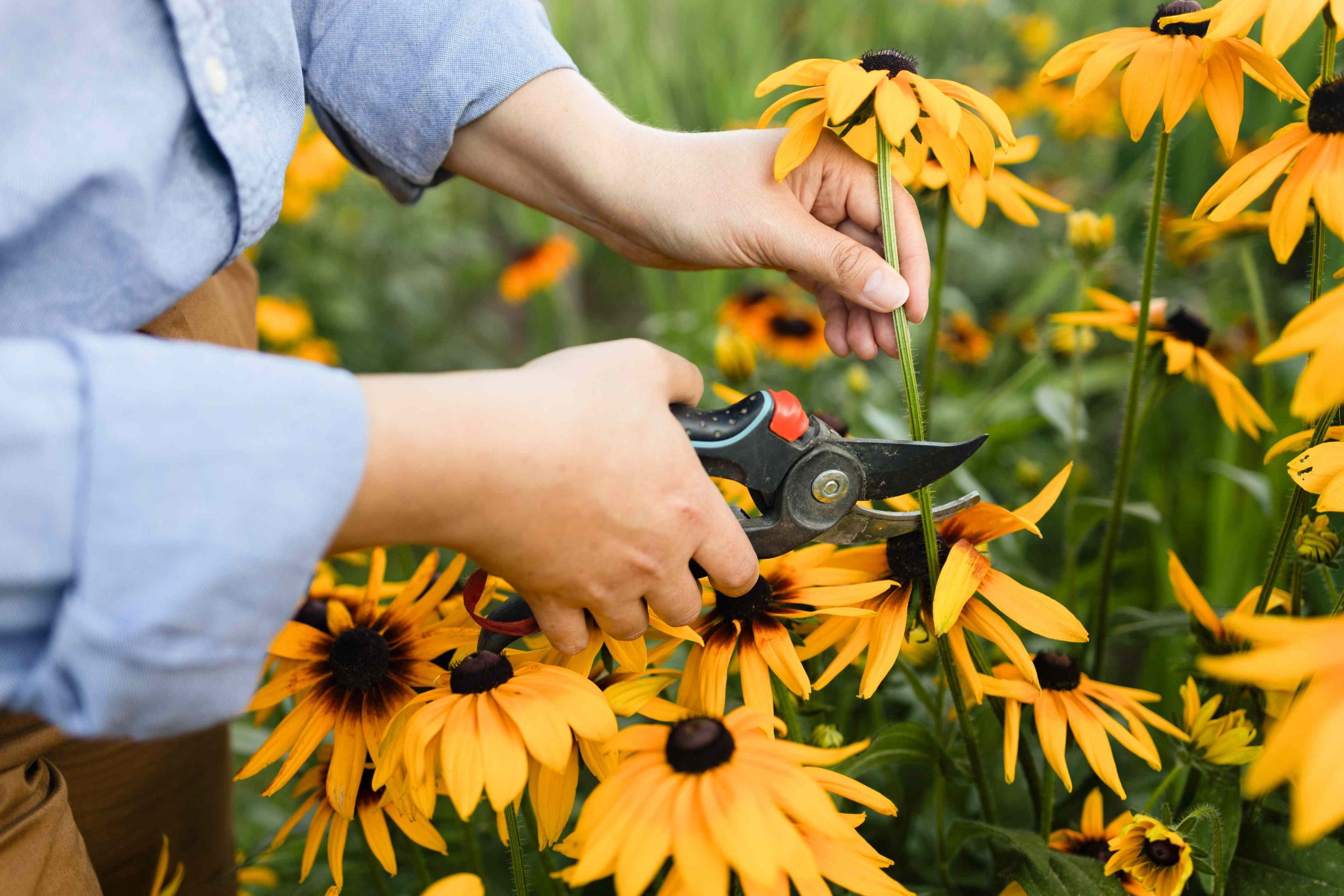
Black-eyed Susan produces bright yellow flowers with dark brown centers on top of long, sturdy stems. Low-water and easy to grow, these perennial flowers are perfect for beginners building a wildflower garden and look amazing as cut flowers in bouquets.
For a special look, try the ‘Indian Summer’ cultivar with its massive 9-inch-wide blooms or go for ‘Cherokee Sunset’ with its gorgeous double or semi-double flowers.
Note: Black-eyed Susan is a prolific seeder. Plant it where you don’t mind them spreading or deadhead before seeds form.
2. Butterflyweed
- USDA zones: 3-9
- Growing conditions: Full sun and well-drained sandy or rocky soil; tolerates dry, poor, and clay soils
- Mature size: 1.5 to 3 feet tall and wide
- Blooming time: Late spring through summer
A long-lived perennial from the milkweed family, butterflyweed is native to much of North America. This drought-resistant plant has a large taproot that stores water and nutrients, keeping the plant going during prolonged dry spells.
From late spring through summer, it produces bright orange flowers (some cultivars bloom yellow or red) that charm the eyes and support migrating monarch butterflies. It’s an ideal choice for pollinator gardens and properties aiming for a wildlife habitat certification.
3. Coral Bells
- USDA zones: 4-9
- Growing conditions: Full sun to part shade and rich, well-draining soil
- Mature size: 8-18 inches tall and 12-24 inches wide
- Blooming time: Late spring to early summer
Coral bells’ best feature is the textured and beautifully colored foliage. These drought-tolerant perennials have striking heart-shaped leaves ranging in color from lime-green and peach to red and dark purple.
These beauties handle heat and drought better if placed in partial shade, making them perfect plants for your shade garden and planting near drought-tolerant trees. They’ll also need some watering during prolonged dry spells to keep their color.
For warm-red and bright yellow-green, choose ‘Caramel’ or ‘Citronelle,’ two of the most drought-tolerant cultivars.
4. Cheddar Pink
- USDA zones: 4-9
- Growing conditions: Full sun and loose, well-draining soil; avoid heavy clay or overly rich soil
- Mature size: 6 inches tall and 12 inches wide
- Blooming time: Late spring to early summer
This evergreen flowering perennial handles brief dry periods well but will need supplemental watering during extended droughts. It produces small, carnation-like flowers in shades of pale pink to deep purple, creating a striking contrast against its silvery-green foliage.
The ‘Fireworks’ cultivar is among the most drought-tolerant varieties.
Note: This drought-tolerant flower is toxic to pets and horses.
5. English Lavender
- USDA zones: 5 to 10
- Growing conditions: Full sun and dry, sandy or rocky, well-drained soil
- Mature size: 1-2 feet tall and wide
- Blooming time: Late spring through summer
Deep roots digging up to 2 feet down for water make this fragrant, drought-tolerant shrub a perfect candidate for low-water gardens. It loves sandy slopes soaked in full sun and produces scented purple flowers that give summer yards a cozy, Mediterranean vibe.
Do mosquitoes drive you crazy? Lavender can help. The strong essential oils it releases in warm summer evenings help keep blood-suckers at bay, making it a popular anti-mosquito plant.
‘Munstead’ English lavender and ‘Phenomenal’ lavandin (a mix between English and Portuguese lavender) are among the toughest cultivars.
6. Feather Reed Grass
- USDA zones: 3 to 9
- Growing conditions: Full sun to partial shade and well-drained soil; tolerates a variety of soils, including clay
- Size: 2-3 feet tall and under 2 feet wide
- Blooming time: Early to midsummer
A low-maintenance plant for beautiful, low-effort gardens, feather reed grass is a cool-season ornamental grass that can withstand the cold northern winters. It adds vertical interest to borders, hides fences, and creates private spaces while needing little pruning, watering, or fertilization.
I think you’ll like ‘Karl Foerster’ — a popular cultivar with stunning feathery plumes going from rosy-pink to bronze and golden tan.
Read Next: A Tariff Tsunami Is Coming: 9 Simple Ways to Stay Afloat
7. Little Bluestem
- USDA zones: 3-9
- Growing conditions: Full sun and well-drained soil
- Size: Up to 4 feet tall
- Blooming time: Summer to winter
A native prairie grass, little bluestem has evolved to withstand dry conditions. It’s a low-maintenance bunchgrass that looks good year-round — its foliage stays bluish-green spring and summer only to turn reddish gold in the fall, contrasting with the fluffy white seedheads.
Note: Divide the grass clumps after 3 to 4 years to avoid overcrowded plants and dieback.
8. Purple Coneflower
- USDA zones: 4-9
- Growing conditions: Full sun to part shade, well-draining soil; tolerates poor soil but grows best in fertile soil
- Mature size: 2-4 feet tall and 1-3 feet wide
- Blooming time: Early summer to mid-fall
A popular long-blooming perennial, echinacea loves hot and sunny outdoor spaces, making it perfect for drought-tolerant home gardens. Its 5-inch daisy-like purple flowers with a brown cone-shaped center are a beacon for hummingbirds, bees, and butterflies — perfect for low-water wildflower gardens.
9. Russian Sage
- USDA zones: 4 to 9
- Growing conditions: Full sun and dry-to-medium moisture, well-drained soil
- Mature size: 3-5 feet tall and 2-4 feet wide
- Blooming time: Midsummer to frost
This woody perennial is similar to lavender in appearance, but has finer flowers and a sage-like fragrance. It’s also a deer-resistant shrub and can tolerate more soil moisture than lavender.
If you have a small yard, look for the ‘Little Spire’ cultivar. It’s a compact, tidy plant, only up to 2 feet tall, and also one of the most drought-tolerant Russian sage cultivars.
10. Stonecrop
- USDA zones: 3-9
- Growing conditions: Full sun to partial shade and well-draining soil
- Mature size: Up to 6 inches (creeping sedums); 1-2 feet (upright sedums)
- Blooming time: Summer or fall
Stonecrop plants store water in their fleshy succulent leaves, making strategic reserves for drought survival. Low-growing varieties like ‘Angelina’ (in the picture above) create dense, drought-resistant ground covers in succulent gardens, while shrubby types grow into beautiful borders and accent plants.
Foliage ranges from green to yellow, red, and purple, while flowers bloom in cheerful yellows, whites, or pinks.
11. Switchgrass
- USDA zones: 5-9
- Growing conditions: Full sun to part shade; prefers moist, well-drained soil
- Size: 4-6 feet tall, 2-3 feet wide
- Blooming time: Summer and fall
A robust root system and keeping up with photosynthesis even under drought stress make switchgrass a drought-resistant perennial ideal for dry, hot, sunny properties. Adding movement and dramatic colors with little to no maintenance, switchgrass is one of the best plants for xeriscape gardens and rockeries.
This tall ornamental grass is ideal for privacy screens and as an accent plant. Try the ‘Shenandoah’ (vibrant red foliage) or ‘Heavy Metal’ (metallic blue foliage) cultivars for strong colors that don’t fade in the heat.
Note: Cut back in late winter to early spring to make room for the new season’s foliage.
12. Thread-Leaf Tickseed
- USDA zones: 4 to 9
- Growing conditions: Full sun and well-draining soil
- Mature size: 2-3 feet tall and wide
- Blooming time: From early summer to late fall
Also known as coreopsis, this plant thrives in poor, sandy soil, making it ideal for rock garden designs. It’s also deer- and heat-resistant and can tolerate dry spells once established. This drought-tolerant flower produces 1-2 inch daisy-like blooms from midsummer to early fall in yellow, orange, red, and maroon, providing precious late-season food for pollinators.
Try the ‘Moonbeam’ cultivar — its buttery-yellow blooms perfectly complement lavender and sage.
Note: Avoid fertilization and overwatering.
13. Yarrow
- USDA zones: 3-9
- Growing conditions: Full sun to light shade and well-drained soil; tolerates poor soil, but not wet
- Mature size: 1-3 feet tall and wide
- Blooming time: Early summer through fall
Yarrow’s fern-like leaves limit water loss, while adding delicate lace-like texture to flower beds. Once established, yarrow can survive on rainfall alone and reward you with beautiful dome-shaped clusters packed with tiny white, yellow, pink, purple, or red flowers.
This tough, low-maintenance beauty is also one of the best drought-resistant plants for cold climates and fire-resistant landscaping.
Silvery-foliage varieties, like ‘Moonshine’ (yellow blooms), reflect the sun and heat better and can withstand drought more easily than deep-green ones.
Turn your biggest asset into a payday
Your home isn’t just a place to live – if you’re 62 or older, it’s a powerful asset waiting to be unleashed. How? With a reverse mortgage.
No more monthly mortgage payments. Instead, you’re converting your home equity into cash that you can use for any purpose, any time.
You’ve worked all your life to support that home. Now maybe it’s time your home supported you.
Here’s a vetted list of 10 of the best providers. You owe it to yourself to at least check them out and get more info. Why not do it right now?
Editor’s Note: This story originally appeared on LawnStarter.