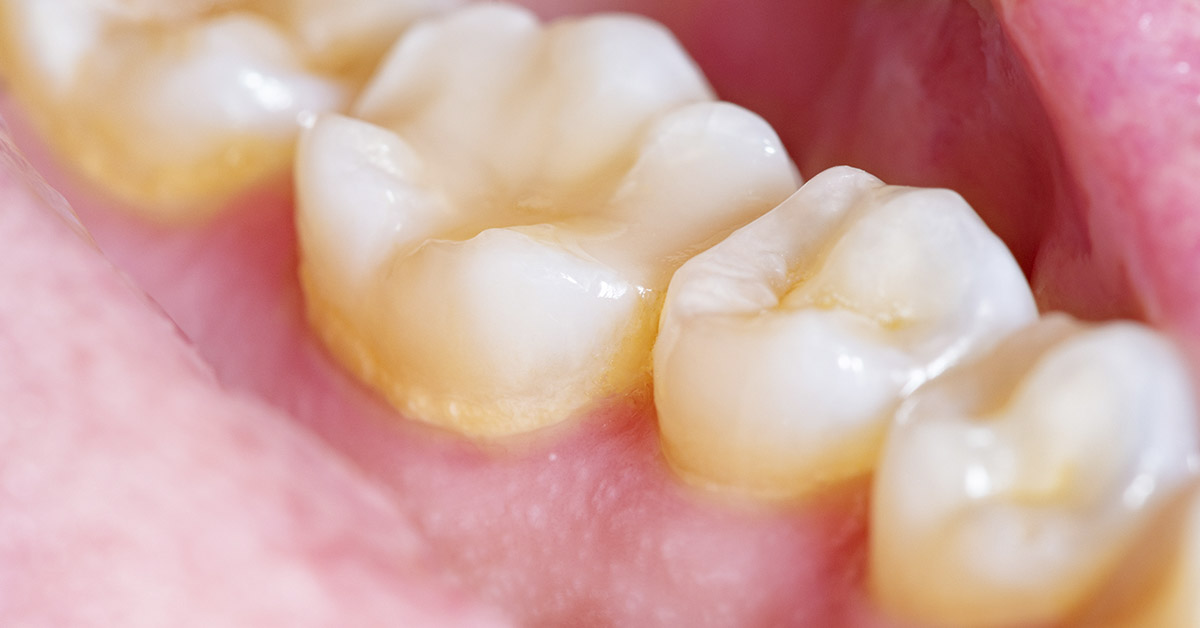
Have you ever ran your tongue across your teeth and felt a fuzzy texture? This isn’t just remnants of food, but dental plaque, which can lead to significant issues if not addressed. Dental plaque is a sticky layer of bacteria that continuously develops on your teeth. It’s typically clear or pale yellow and can be difficult to detect until it starts causing problems. If not treated, plaque turns into tartar, which plays a role in cavities, gum disease, and even losing teeth. Although professional dental cleanings can eliminate tartar, there are several natural approaches you can take at home to prevent and control plaque accumulation.
Although these treatments may not be entirely supported by scientific research, they possess certain properties that are backed by evidence, indicating they can promote improved oral health, decrease bacterial presence, and manage plaque when used regularly. They are safe, cost-effective, and simple to include in your everyday habits.
1. Remove Bacteria Using Coconut or Sesame Oil
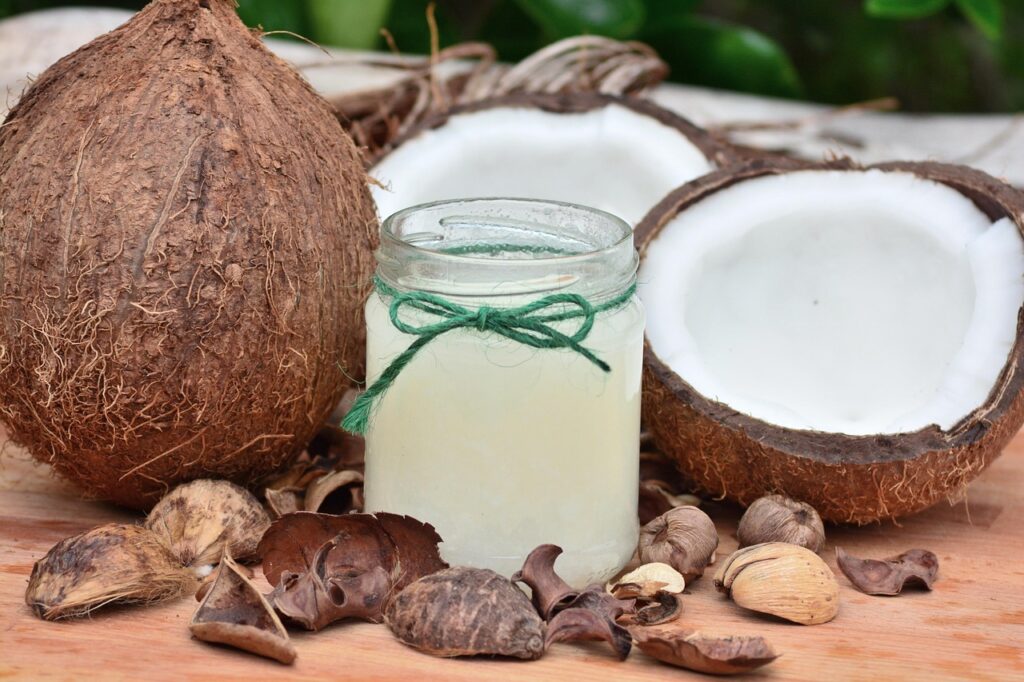
Oil pullingis a straightforward, time-honored method that entails swishing oil in your mouth to extract bacteria and impurities. Coconut oil, specifically, is rich in lauric acid, which effectively combats germs and diminishes inflammation. Sesame oil functions in a comparable manner and can also assist in decreasing bacterial presence in the oral cavity. Oil pulling operates by capturing harmful microorganisms within the oil and eliminating them upon spitting it out. This procedure helps reduce oral bacteria such as Streptococcus mutans, a primary contributor to plaque and dental decay. Studies haveshownAfter following a 40-day course of oil pulling, there was an average decrease of 20% in the overall number of bacteria in the mouth. It is considered one of the simplest natural methods for removing plaque when practiced regularly.
To try oil pulling:
- Swish one tablespoon of coconut or sesame oil in your mouth for 15 to 20 minutes
- Do not ingest the oil, as it now has bacteria.
- Discard the oil in a trash can, not the sink, to prevent blockages.
- Brush your teeth as usual after that
Performing this routine once daily, particularly in the morning, aids in eliminating dental plaque and promotes clean breath along with strong gums.
2. Gently clean using baking soda
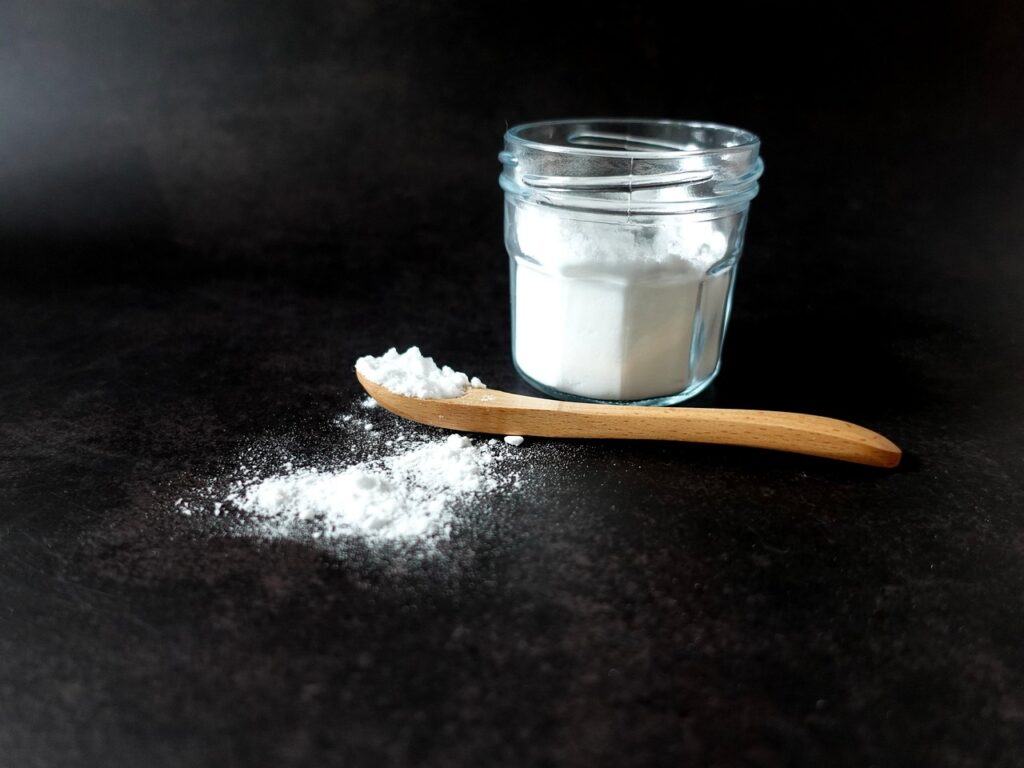
Baking soda is a naturally occurring, mild abrasive that physically eliminates plaque while maintaining the mouth’s pH balance. It effectively removes soft deposits without damaging tooth enamel when used properly. Its slightly alkaline properties help neutralize acids in the mouth, creating a setting that inhibits bacterial growth.Researchhas discovered that toothpastes with baking soda, particularly those containing over 20% baking soda, effectively eliminate more plaque buildup than standard toothpastes. Adding a baking soda toothpaste or a homemade scrub to your daily regimen is a dependable and cost-effective method for removing plaque.
To use it securely in your home:
- Combine one teaspoon of baking soda with a little water to create a paste
- Brush your teeth carefully with this toothpaste for approximately two minutes.
- Rinse thoroughly with water
Use it no more than once or twice a week to prevent damaging your tooth enamel.
3. Combat Bacteria Using Aloe Vera Gel
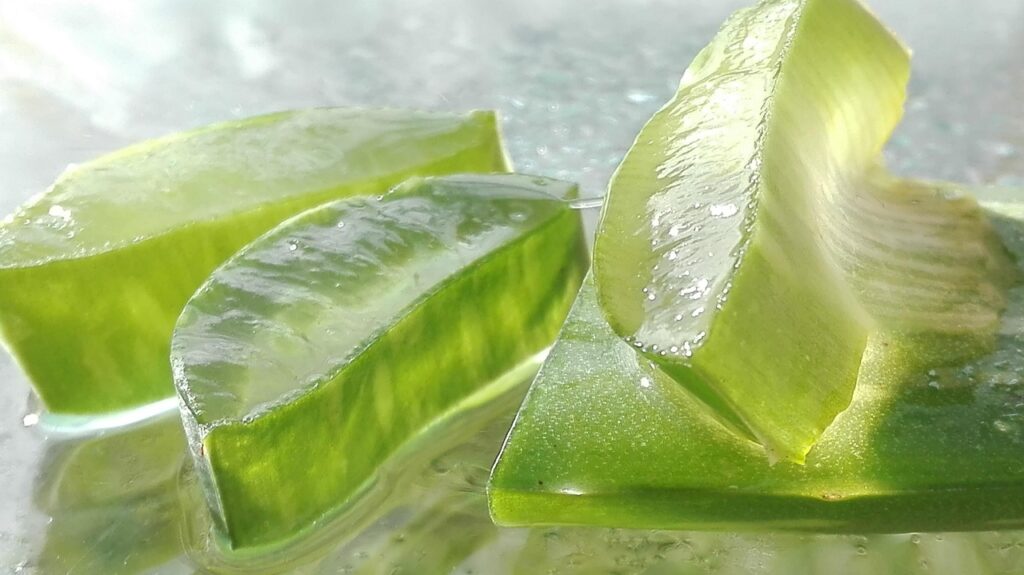
Aloe vera offers more than just skin relief; it can also combat bacteria in your mouth. Several studies have shown this benefit.studiesResearch has demonstrated that the gel within aloe leaves includes substances capable of eliminating bacteria responsible for plaque and decreasing gum inflammation. Using aloe vera on your teeth and gums can prevent plaque development and soothe inflamed tissues. Clinical studies have shown this effect.trialsdiscovered that aloe vera mouth rinse and toothpaste effectively decrease the buildup of dental plaque, comparable to chlorhexidine, a commonly used antiseptic. Its antibacterial properties address the underlying reasons for plaque and gum inflammation. For those interested in preventing plaque formation with natural components, aloe vera is a great choice.
Here’s how to utilize it:
- Slice a new aloe vera leaf and extract the transparent gel
- Apply the gel to your teeth and gums
- Allow it to rest for 10 minutes.
- Brush your mouth thoroughly with water
Perform this procedure two times daily, once in the morning and once in the evening, to achieve optimal outcomes.
4. Exercise Caution When Using Apple Cider Vinegar
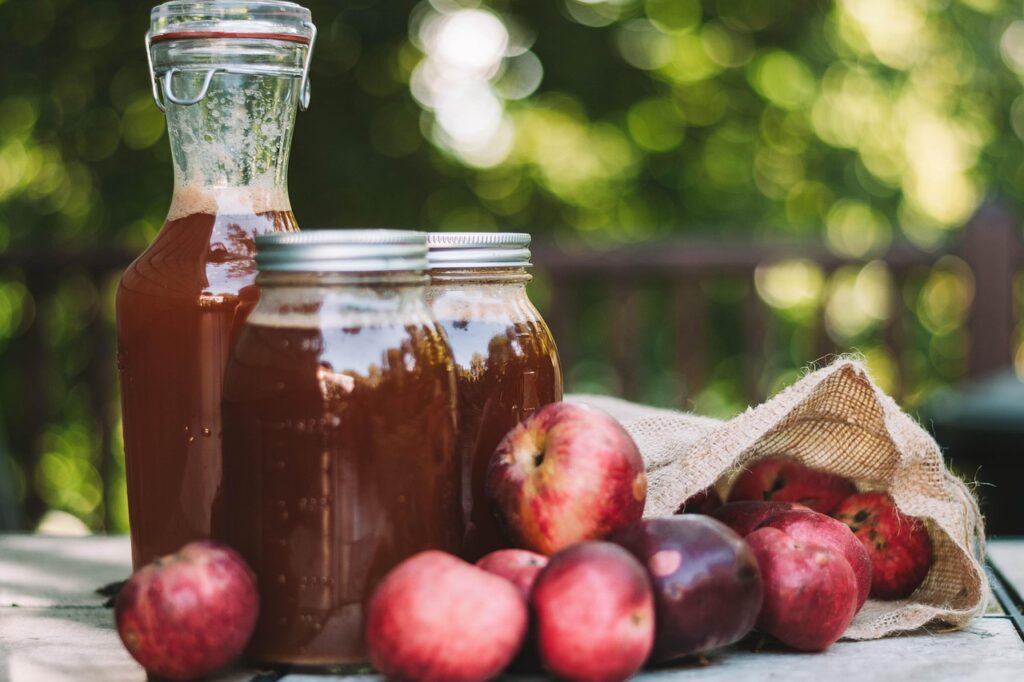
Apple cider vinegar (ACV) has natural acids and antibacterial qualities that aid in breaking down plaque and decreasing the amount of harmful bacteria in your mouth. When mixed with water, it can serve as a mild rinse to enhance oral hygiene. A randomized clinicalstudyIt was found that ACV (with a 5% concentration) significantly reduced dental plaque and gingivitis in children when compared to manual brushing alone. The research emphasized the antimicrobial properties of ACV against bacteria such as Streptococcus mutans and fungi like Candida albicans, which are responsible for oral plaque and infections. However, ACV is very acidic, and using it undiluted or too frequently could damage tooth enamel. It is essential to use it with caution and to thoroughly rinse the mouth afterward. When applied correctly, ACV can aid in natural methods of removing dental plaque and maintaining a balanced oral microbiome.
To prepare a safe apple cider vinegar rinse:
- Combine one or two teaspoons of apple cider vinegar with a half cup of water
- Rinse the mixture in your mouth for approximately 30 seconds.
- Say it out and rinse with regular water
Use this rinse one or two times per week to prevent harm to your tooth enamel. Do not brush your teeth right after using ACV, as the acid can temporarily weaken the enamel.
5. Consume Crisp Fruits and Vegetables
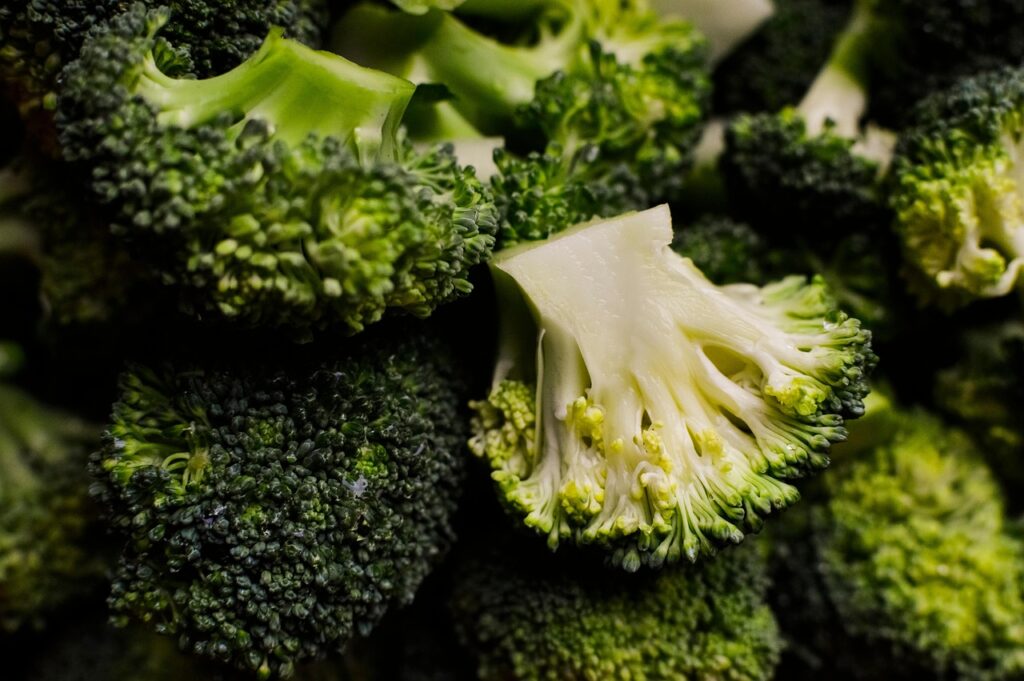
One of the easiest and most straightforward methods to decrease plaque is by consuming crunchy fruits and vegetables. Items such as apples, carrots, celery, and cucumbers act as natural toothbrushes. Their tough consistency aids in removing plaque from your teeth as you chew. Chewing these foods also boosts saliva flow, which is essential for maintaining healthy teeth. Saliva helps balance acid levels, flushes out remaining food debris, and stops bacteria from multiplying excessively.
Chewing on broccoli may be especially beneficial for removing plaque, since it includes a substance known as diindolylmethane (DIM).Researchhas demonstrated that DIM can reduce the development of dental plaque by up to 90%, significantly lowering the risk of cavities and gum disease. Incorporating raw, fibrous vegetables into your meals on a regular basis is an effective approach for removing plaque at home and supporting overall dental wellness.
Increase the frequency of crunchy vegetables in your meals by:
- Eating raw apples or carrots as a snack between meals
- Including celery or cucumbers in your lunch or salad
- Ending meals with fibrous fruits to naturally clean your teeth
Incorporating these kinds of foods into your daily habits supports better oral health and lowers the chances of plaque accumulation in the long run.
Maintain a Regular Dental Hygiene Routine

Although these natural remedies can enhance your oral health, they are most effective when used with regular dental hygiene and routine visits. Using them by themselves won’t eliminate tartar or address current gum disease, but they can assist in preventing plaque accumulation and promoting overall oral wellness. Make sure to brush your teeth twice a day, floss every day to eliminate plaque between your teeth, and see your dentist every six months for cleanings and exams. In addition to proper daily care, using these natural remedies to fight plaque can offer extra protection for your smile, help avoid dental problems, and maintain fresher breath and cleaner teeth on a daily basis.
Health Warning: The content provided is not meant to replace professional medical advice, diagnosis, or treatment and is for informational purposes only. Consult your doctor or a qualified healthcare professional for any inquiries regarding your health condition and/or existing medications. Do not ignore professional medical guidance or postpone getting help due to information found here.
Read More: Experiencing a Bad Taste in Your Mouth is a Typical Indicator of This Oral Issue
The post 5 Home Remedies for Removing and Preventing Dental Plaque was first published onThe Hearty Soul.