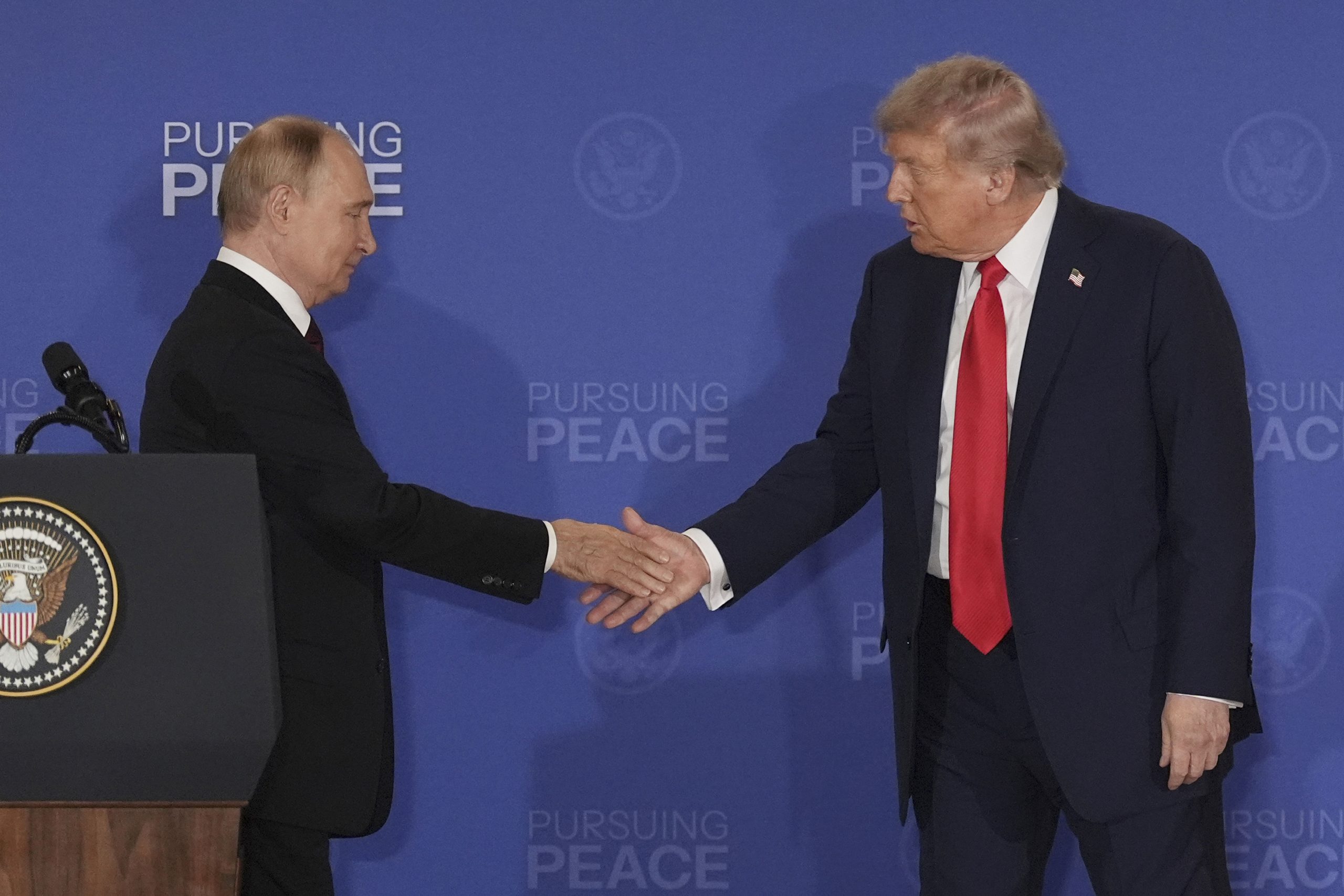
The recent summit in Alaska between former U.S. President Donald Trump and Russian President Vladimir Putin has sparked considerable debate and analysis, particularly regarding the dynamics of their interaction and the implications for the ongoing conflict in Ukraine. Observers are scrutinizing whether the meeting achieved any tangible progress toward resolving the war or if it served primarily as a platform for Putin to advance his strategic objectives.
One perspective gaining traction is that Putin skillfully manipulated Trump during the summit, leveraging his background in intelligence to exploit the former president’s perceived vulnerabilities. This viewpoint suggests that Putin’s charm and flattery were calculated tactics designed to influence Trump’s perceptions and decisions.
A Masterclass in Manipulation?
According to a Ukrainian analyst, Putin’s approach at the summit resembled a carefully orchestrated manipulation strategy. Referencing Putin’s past as a Soviet spy, the analyst suggested that Putin used his experience in recruiting informants to gain leverage over Trump.
The summit began with a seemingly innocuous greeting from Putin, who referred to Alaska as a neighbor to Russia. This was followed by Trump extending a warm welcome, including a ride in the presidential limousine. During a subsequent news conference, Putin repeatedly praised Trump, echoing and reinforcing the American president’s statements on various topics, including Ukraine and potential peace settlements.
Notably, Putin supported Trump’s claim that he could have prevented the war in Ukraine had he won the 2020 election. This endorsement, seemingly designed to appeal to Trump’s ego, contributed to the perception that Putin was using flattery to influence the former president.
The analyst argued that Putin’s carefully disguised manipulation led to Trump’s vague conclusion that “there’s no deal until there’s a deal.” This outcome suggests that the summit failed to produce any concrete agreements or breakthroughs.
The Absence of Concrete Outcomes
Putin’s remarks at the news conference, which lasted significantly longer than Trump’s, included a historical lecture on Russia’s past ownership of Alaska and the cooperation between Soviet and U.S. militaries during World War II. This lengthy discourse, coupled with Trump’s admission that the talks primarily resulted in an agreement to hold further discussions, underscored the lack of tangible progress.
Both leaders declined to answer questions, further fueling the perception that the summit was more about optics than substance. The absence of concrete outcomes raised concerns that Putin’s primary objective was to establish the “root causes” of the war before considering any ceasefire or peace settlement. This emphasis on “root causes” is often interpreted as a rejection of Ukraine’s sovereignty and its existence outside of Moscow’s sphere of influence.
The China Factor
While the summit may not have been a complete success for Putin, it also wasn’t a total loss. The discussions extended beyond the war in Ukraine, touching on economic and geopolitical considerations.
One analyst suggested that Russia is attempting to leverage its relationship with the U.S. to contain China, offering economic incentives and geopolitical cooperation in exchange for political concessions. These concessions could help Russia solidify its position as a major geopolitical player.
Ukraine, in this context, is viewed as a secondary element in the broader strategic game between the U.S., Russia, and China. The U.S., seeking to prevent a closer alignment between Moscow and Beijing, may find it beneficial to engage in negotiations with Russia on business and political matters. This approach, however, may not align with Ukraine’s interests, as the U.S. may not be seeking a complete defeat or crisis for Russia.
Implications for Ukraine
The summit’s outcome has significant implications for Ukraine. Some analysts predict that it will lead to an escalation of hostilities, with increased attacks by Russian drones and missiles. Russia is also expected to intensify its mobilization efforts.
One prominent military analyst expressed pessimism about the summit, arguing that it legitimized Putin and elevated him from the status of a political pariah. The analyst criticized Trump for failing to secure a ceasefire or impose further sanctions on Russia.
Ukraine, according to this perspective, will need to continue its struggle until there is a shift in political will. Russia is likely to accelerate its attempts to breach Ukraine’s defense lines in the east and resume its devastating air strikes.
In response, Ukrainian authorities may need to make strategic decisions regarding mobilization and prioritize the economy’s focus on military needs. This could involve a comprehensive mobilization of men of fighting age and a reorientation of the economy to support military operations.