
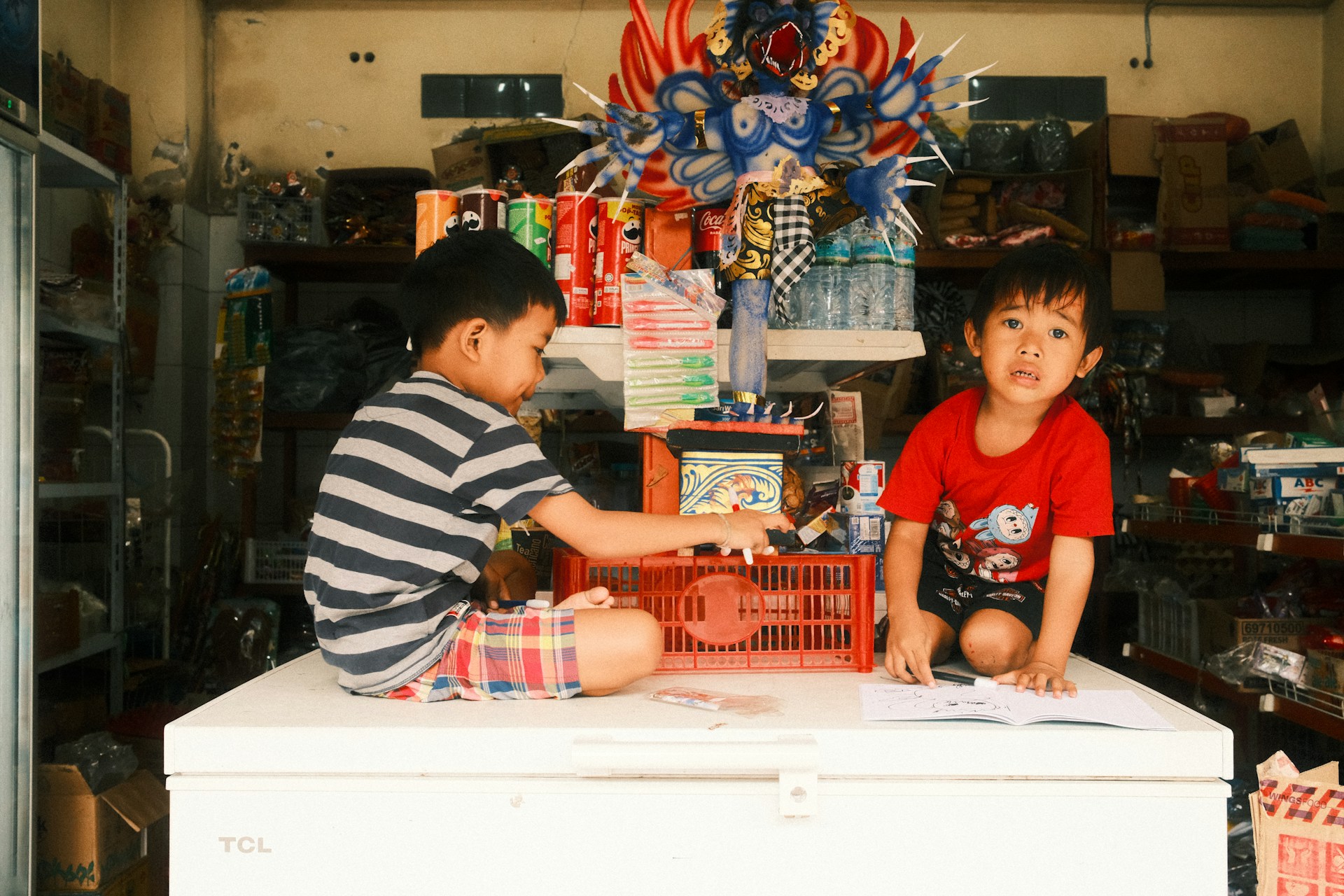
In a time full of non-stop entertainment, the thought of children being bored might seem awkward. However, boredom has been proven to offer significant developmental advantages. Experts believe that boredom is not just a lack of activity, but an essential area where imagination, critical thinking, and self-examination can flourish. By letting kids have periods without organized entertainment, we provide them with the mental space to discover, invent, and develop in ways that structured tasks and electronic devices often restrict.
The Monotony That Sparks Innovation
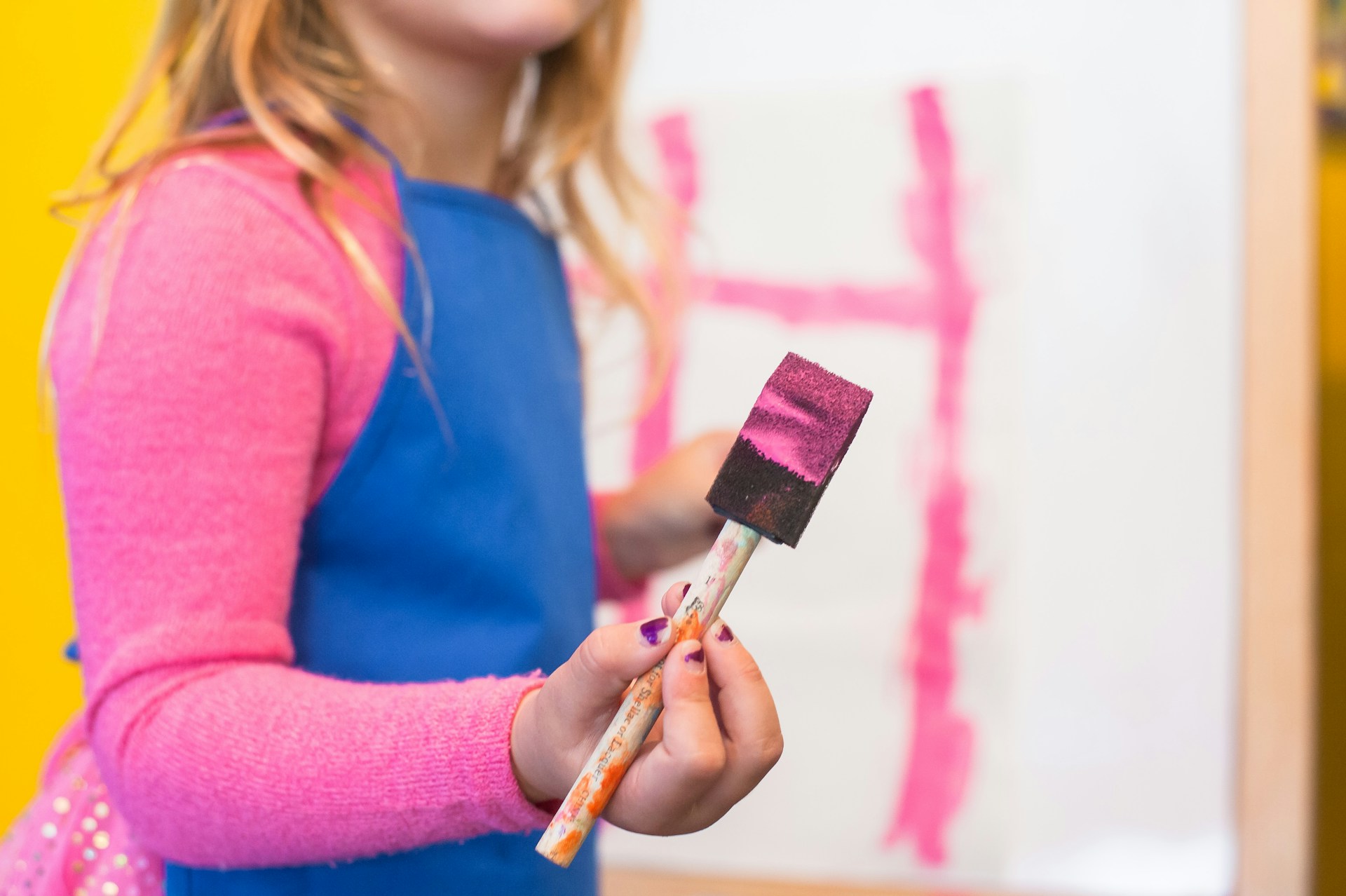
Boredom can serve as a strong driver for creative thinking. When kids aren’t provided with immediate entertainment, they are forced to rely on their own imagination to fill the void. This move from passive watching to active making can result in more engaging play, new concepts, and better abilities to solve problems. Studies in child development have shown that free time promotes divergent thinking, which is the skill of coming up with various answers to a question.
Encouraging Imaginative Play
If children aren’t continuously entertained, they frequently create their own games, tales, and situations. A cardboard box transforms into a spaceship, a blanket fort turns into a castle, and sticks serve as magical wands. These instances of creative play are crucial for mental growth, as they enable kids to develop symbolic thinking, role-playing, and storytelling skills. In contrast to structured toys or media, independent play lets children establish their own rules and results.
Stimulating Problem-Solving Skills
When kids feel bored, they frequently face minor challenges, such as deciding what to do next, which push them to think critically. This helps build their ability to solve problems. Experts suggest that boredom can serve as a mental “reset,” encouraging the brain to look for excitement from within instead of from outside sources. In the long run, this teaches children to generate their own opportunities rather than simply waiting for them to come along.
Minimizing Excessive Dependence on Outside Amusements
In modern times, screens offer a fast and convenient way to combat boredom, yet depending on them too much can hinder a child’s capacity to amuse themselves on their own. As children discover how to create their own enjoyment without gadgets, they develop greater self-reliance. This autonomy encourages imagination and helps lower the chances of being overstimulated, which is associated with reduced focus and higher stress levels.
Building Resilience and Self-Reliance
Boredom isn’t always enjoyable, but knowing how to deal with it helps develop emotional strength. Kids who can handle times with little activity are more prepared to manage frustration, ambiguity, and waiting in real-world scenarios. In a sense, boredom offers a secure environment to develop skills that will benefit them as they grow older.
Learning Patience
In a society that values quick results, the ability to be patient is frequently neglected. Encountering boredom pushes children to take their time and wait for thoughts or chances to develop. This waiting period fosters patience, which can lead to improved perseverance in academic tasks, hobbies, and personal connections. Patience also teaches children that valuable experiences usually demand time and hard work.
Developing Internal Motivation
If entertainment is not provided for them, kids have to use their own curiosity and interests to direct their behavior. This change from outside motivation to inner drive is important for developing as an individual. Studies indicate that internal motivation results in greater involvement and more lasting happiness compared to external rewards. Through dealing with boredom, children discover how to find satisfaction in activities they truly like instead of depending on outside influences.
Strengthening Emotional Regulation
Boredom may lead to sensations of unease or frustration, and teaching children how to handle these emotions enables them to develop self-discipline. They start to realize that unpleasant feelings are short-lived and can be handled without turning to instant distractions. As they grow, this skill in managing emotions leads to improved concentration, less impulsiveness, and more emotional balance.
Making Room for Thought and Bonding
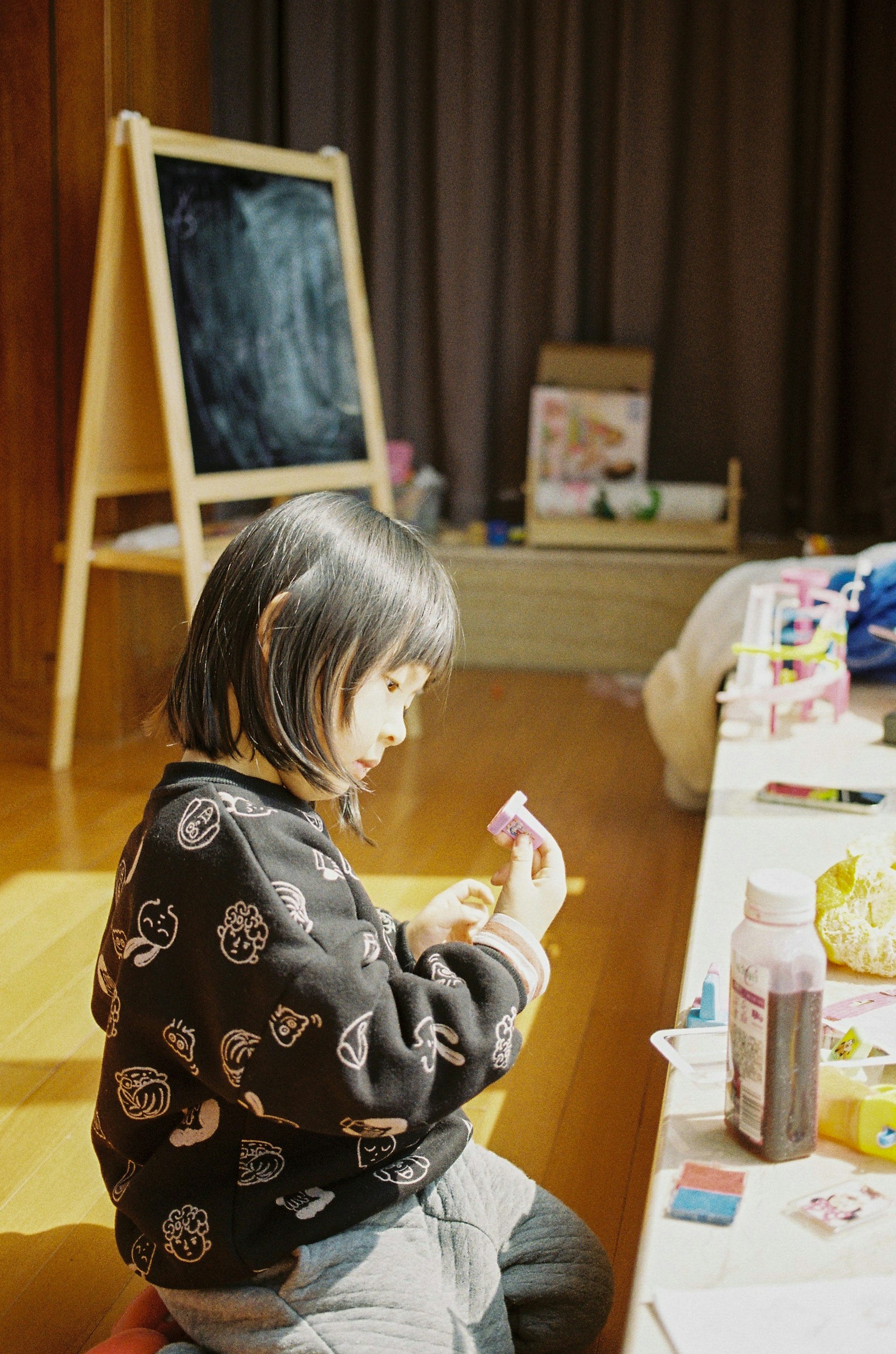
Boredom can also provide important chances for self-examination and interaction with others. When kids aren’t always busy, they gain the mental room to work through their ideas, observe their environment, and connect more deeply with those nearby.
Encouraging Mindfulness
Times of boredom give children the opportunity to slow down and become more conscious of their surroundings. They might start to hear the sounds of birds outside, observe the shapes in the clouds, or feel the pattern of their own breathing. These calm moments aid in developing mindfulness, a practice associated with lower stress levels, better focus, and increased emotional stability. Mindfulness also enhances empathy by teaching children to be attentive and engaged in the present.
Strengthening Family Bonds
When technology and routines are put aside, families frequently discover more chances for unplanned connections. Playing board games, going for a walk, or just talking while cooking can easily arise from unstructured time. These instances of shared downtime can lead to more meaningful discussions and enhance emotional ties without the stress of planned activities.
When children experience boredom, it provides them with an opportunity to delve into their passions independently. During these calm periods, they may uncover a passion for activities like sketching, composing, tending to plants, or constructing things. Personal exploration helps develop a more robust sense of self and self-assurance, as kids figure out what genuinely inspires and satisfies them without the ongoing influence of friends or television.
Allowing Time for Self-Discovery
Boredom, typically considered something to escape, plays a crucial role in the healthy growth of children. It encourages imagination, enhances critical thinking abilities, and fosters emotional strength. As children learn to deal with and manage boredom, they gain patience, self-sufficiency, and a better grasp of their own feelings. These advantages continue into adulthood, providing them with the skills needed to face life’s difficulties through innovation, autonomy, and awareness. In an environment filled with continuous excitement, allowing children to experience boredom could be one of the most beneficial gifts we offer for their development and well-being.