Dance scenes in movies do more than entertain—they define eras, inspire trends, and become cultural landmarks. They’re the moments that slip out of the screen and into our lives—suddenly, a move you saw under the flicker of a projector is being copied at weddings, school talent shows, and TikTok challenges decades later.
Whether it’s a character shaking off heartbreak or stealing the spotlight in a crowded club, these scenes capture fleeting magic—choreography, music, and emotion all colliding in ways you can feel in your bones.
The eight scenes we’re about to revisit made their films memorable and left their fingerprints on pop culture itself. Some pushed the craft forward with groundbreaking choreography. Others became timeless simply because of the raw, unfiltered energy of the performers.
But they all share one thing: they made us want to get up and move.
The Evolution of Dance in Cinema
Cinema’s earliest dances were stage-bound numbers—wide shots of big bands, ballroom floors, and immaculately dressed couples gliding under bright studio lights. Think Fred AstaireIn the 1930s, exemplified by Ginger Rogers, the emphasis was on grace and impeccable synchronization. The camera typically remained stationary, allowing the dancers’ talent to be the main attraction.
By the mid-20th century, the musical genre expanded—dance scenes became more dynamic, with choreographers and directors experimenting with camera movement and editing to heighten the energy. Singin’ in the Rain (1952), which showcased Gene Kelly’s tap dancingalso let the rain-soaked streets become part of the performance.
Modern film has taken dance beyond the musical. A scene like the twist contest in Pulp Fiction (1994) works because it’s raw and unexpected. Napoleon Dynamite (2004) turns an awkward solo routine into a crowd-pleasing finale. In today’s landscape, choreography blends with character arcs and plot beats—serving not just as spectacle but as a storytelling device.
The 8 Iconic Dance Scenes That Changed Pop Culture
1. Napoleon’s Solo Dance – Napoleon Dynamite (2004)
Directed by: Jared Hess
In the film’s climax, Napoleon Dynamite (Jon Heder) takes the stage during a high school talent show—armed with nothing but thrift-store clothes, outdated moves, and unshakable confidence. What starts as awkward shuffling quickly turns into a bizarrely hypnotic routine, set to Jamiroquai’s “Canned Heat.” By the time he finishes, the audience is on its feet.
This scene works because it’s the opposite of polished. The choreography feels improvised, but every head bob and arm flail is deliberate. It became a viral sensation before “viral” was a thing—shared endlessly online and parodied in commercials, YouTube skits, and even professional sports halftime shows. Jon Heder reportedly improvised much of the dance, pulling from moves he used to make up as a teenager.
Filmmakers can learn that authenticity often trumps perfection. A dance scene doesn’t have to be technically flawless—it has to feel true to the character. When the performance reflects who the character really is, the audience connects in a deeper way.
2. Twist Contest – Pulp Fiction (1994)
Directed by: Quentin Tarantino
Mia Wallace (Uma Thurman) and Vincent Vega (John Travolta) take part in a twist contest at Jack Rabbit Slim’s, a retro-themed restaurant that looks like a shrine to 1950s Americana. Vincent starts stiff, Mia loosens up, and together they fall into a rhythm—barefoot spins, shoulder shrugs, and plenty of Travolta’s trademark swagger.
The scene is iconic because of its casual cool. Tarantino shoots it in long takes, letting the chemistry between Thurman and Travolta breathe. The song—Chuck Berry’s “You Never Can Tell”—was revived for a new generation, and Travolta’s return to the dance floor became one of the film’s most talked-about moments.
What’s worth noting here is how dance can reveal character relationships without dialogue. Directors can take a page from Tarantino—sometimes, letting the camera linger and the actors just move can say more than scripted lines ever could.
3. Final Lift – Dirty Dancing (1987)
Directed by: Emile Ardolino
In the movie’s closing scene, Baby (Jennifer Grey) and Johnny (Patrick Swayze) perform their routine to “(I’ve Had) The Time of My Life” at a Catskills resort. The moment everyone remembers—the running leap into Johnny’s arms—it’s obviously physically impressive, but it is also the emotional payoff of the entire film.
The scene succeeds because it’s both romantic and triumphant. Choreographer Kenny Ortega crafted a routine that blends ballroom precision with raw sensuality. The lift itself wasn’t rehearsed extensively—Grey and Swayze reportedly saved it for filming to capture the genuine thrill and fear of the move.
For anyone staging a climactic dance, the lesson here is simple: the move matters, but the build-up matters more. The emotional stakes should be as high as the physical ones—when the audience is rooting for the characters, the choreography hits harder.
4. Warehouse Dance – Footloose (1984)
Directed by: Herbert Ross
After clashing with a town that’s banned dancing, Ren McCormack (Kevin Bacon) blows off steam alone in a dusty warehouse. The soundtrack kicks in, and he launches into a mix of gymnastics, breakdance, and pure frustration-fueled movement.
This sequence is memorable because it blends story and spectacle. It’s more than just a dance—it’s a physical rebellion. The editing keeps pace with Bacon’s athletic moves, and the lighting turns the warehouse into a gritty performance space. Interestingly, some shots were done by a stunt double with a gymnastics background, seamlessly cut with Bacon’s own dancing.
Creators can take note: a solo dance can be more compelling than a group routine if it channels the character’s inner conflict. The choreography should reflect the emotion, not just the beat.
5. The Final Audition – Flashdance (1983)
Directed by: Adrian Lyne
Alex Owens (Jennifer Beals), a steel mill worker by day and dancer by night, takes her shot at a prestigious dance academy. Her audition routine starts controlled and classical before breaking into explosive, athletic moves set to Irene Cara’s “What a Feeling.”
The scene became a pop culture juggernaut—ripped sweatshirts, leg warmers, and the famous head-toss water splash were instantly imitated. Beals’ performance was a combination of her acting and body doubles for certain moves, but the seamless editing made it believable.
The takeaway? Choreography can be aspirational. A dance number can inspire fashion, workout trends, and even the way audiences daydream about chasing their own ambitions.
6. Disco Dance – Saturday Night Fever (1977)
Directed by: John Badham
Tony Manero (John Travolta) struts onto the dance floor in a white suit, the Bee Gees’ “You Should Be Dancing” blaring overhead. Every spin, point, and step is razor-sharp—Travolta trained for months to nail the choreography and own the floor.
This scene defined the disco era for global audiences. It was every bit about the attitude, the fashion, and the music as much as it was about the moves. The film’s soundtrack became one of the best-selling albums of all time, and the suit is still an instantly recognizable symbol of the 1970s.
For filmmakers, it’s proof that dance scenes can cement a film’s identity in pop culture. Costume, lighting, and music are as important as the choreography itself—they all work together to create an unforgettable image.
7. Singin’ in the Rain – Singin’ in the Rain (1952)
Directed by: Stanley Donen, Gene Kelly
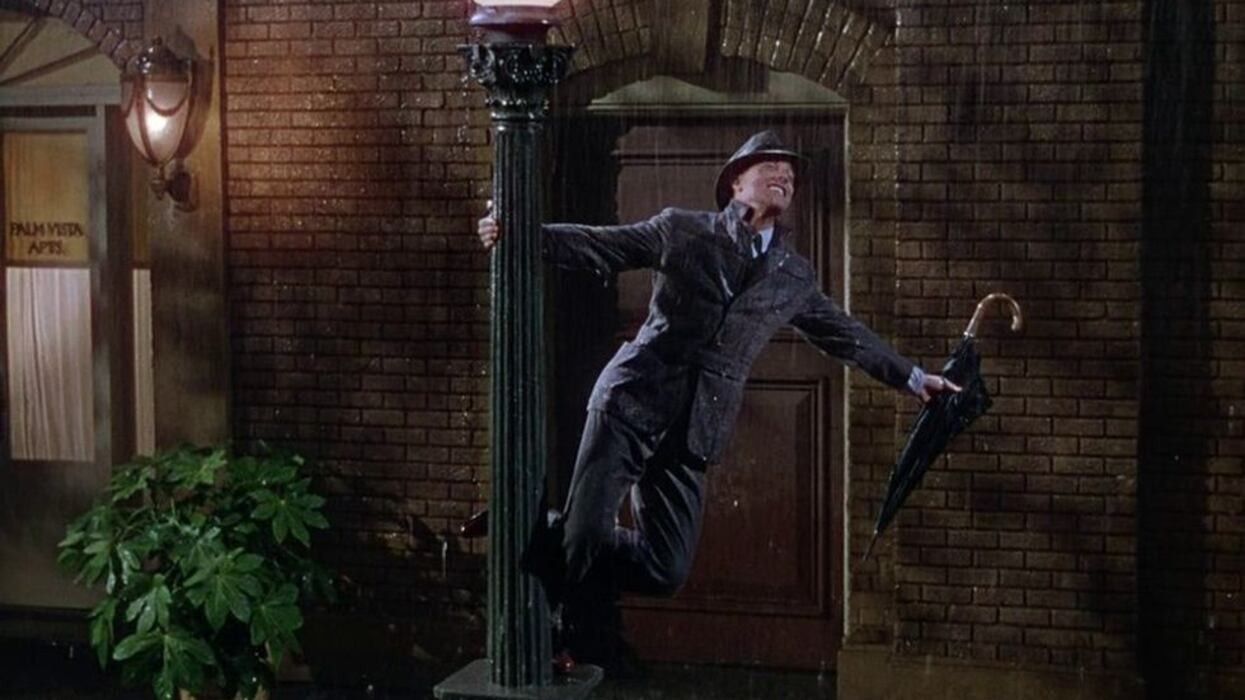
Don Lockwood (Gene Kelly) walks home after a romantic evening, so full of joy he can’t help but burst into song and dance—twirling an umbrella, splashing through puddles, and grinning under a downpour.
The sequence is iconic for its simplicity and charm. Kelly performed the number while reportedly running a high fever, yet every move radiates joy. The technical feat of filming in rain—augmented by studio water systems—made the scene a marvel for its time.
The lesson here is that restraint can be powerful. You don’t always need elaborate choreography—sometimes, one performer, a prop, and a perfect song are enough to create magic.
8. Pick Yourself Up – Swing Time (1936)
Directed by: George Stevens
Fred Astaire (as Lucky) and Ginger Rogers (as Penny) dance to Jerome Kern’s “Pick Yourself Up” after Lucky intentionally fails a dance lesson to get closer to Penny. The routine evolves into a dazzling display of footwork and chemistry.
This scene remains a high point of classic Hollywood musicals. The choreography is intricate yet looks effortless, with the camera framing their full bodies to capture every syncopated step. Astaire and Rogers’ on-screen rapport set the gold standard for dance partnerships.
For today’s creators, it’s a reminder that elegance never goes out of style. Perfect synchronization and genuine chemistry can make a sequence timeless, even in an age of quick cuts and flashy edits.
The Cultural Ripple Effect
These eight scenes lit up the screen and rewired pop culture. Saturday Night Fever made disco suits and platform shoes must-haves. Flashdance turned off-the-shoulder sweatshirts into workout staples. Pulp Fiction brought the twist back into pop consciousness, while Napoleon Dynamite showed that awkward could be cool.
Dance trends that began in these films spilled into clubs, parties, and eventually the internet. Even film technique evolved—directors started integrating dance into non-musical narratives, using choreography as a form of character expression. The long take in Pulp Fiction, the solo catharsis in Footloose, and the narrative climax in Dirty Dancing all became templates for modern filmmakers.
Why These Scenes Still Matter
In a world of CGI spectacle and streaming content overload, these dance moments prove that human movement—captured with the right vision—never loses its appeal. Modern films often pay homage, from Emma Stone and Ryan Gosling’s tap number in La La Land to countless music video recreations.
The key is timeless storytelling through movement. Whether it’s joy, rebellion, romance, or ambition, dance condenses emotions into something you can see and feel instantly. That’s why these scenes keep resurfacing in pop culture—they’re pure, distilled cinema.
Conclusion
Dance on film is a time capsule, a mood board, and a cultural handshake all at once. These eight scenes captured the style, spirit, and heartbeat of their eras while influencing what came next. They remind us that sometimes the most memorable lines in a movie aren’t spoken—they’re stepped, spun, and jumped.
So maybe queue them up tonight, watch them again, and see if your foot doesn’t start tapping. And if one of them lives rent-free in your head? You’re not alone—it’s probably been dancing in someone else’s since the day it hit the big screen.