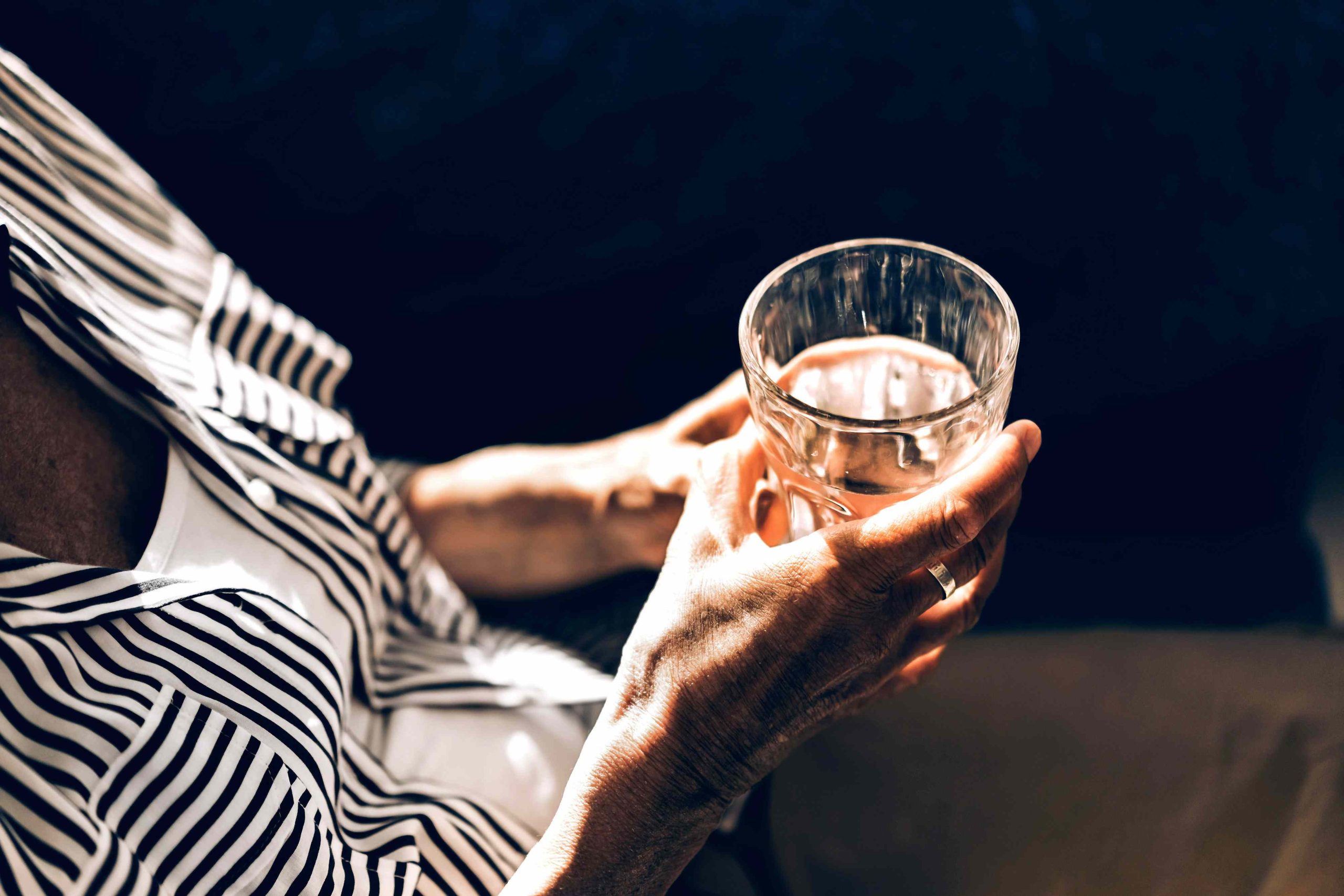
The secret to eliminating microplastics from potable water could be simpler than previously thought.
Key points
- Research conducted by scientists in China indicates that boiling water can serve as a successful method for eliminating microplastics from the liquid.
- As water is heated, naturally occurring minerals such as calcium carbonate create crystals that capture nano- and microplastic particles, leading to their settling out of the liquid.
- This simplifies the process of removing particles from the water and may effectively eliminate as much as 90% of microplastics in mineral-heavy, hard tap water.
Even though they are small, microplastics are gaining significant attention. In the past 20 years since scientists first introduced the termmicroplastics— a term referring to tiny plastic fragments measuring less than five millimeters in size — an increasing amount of studies has shown how widespread they are, drifting in ouroceans, soil, and even in thehuman brain.
As our understanding of the presence of microplastics and their potential impact on human health grows, we are also discovering ways to minimize our contact with them. According to recent studies, when it comes to our tap water, this might be simpler than you realize.
In early 2024, scientists from Guangzhou Medical University and Jinan University in China released the results of a study focused on removing microplastics from tap water in a peer-reviewed scientific journal.Environmental Science and Technology Letters, and the answer could boil down to a single straightforward action: boiling water.
To examine the impact of boiling water that includes microplastics, the group added three typical plastics—polystyrene, polyethylene, and polypropylene—to tap water. The researchers noted that when the water reached a vigorous boil, naturally present minerals such as calcium carbonate started to create solid crystals. These crystals encased and captured the plastic particles in the water before settling at the bottom. Scientists then let the water cool down and removed the mineral and microplastic deposits.
Based on their research, boiling and filtering these crystals can eliminate up to 90% of the nano- and microplastic particles (NMPs) in the water. However, it’s important to emphasize that the water must have a high mineral content—referred to as “hard water”—for this method to be effective. In soft water, which has lower mineral levels, the reduction in microplastics was approximately 25%.
“The basic method of boiling water can ‘remove contaminants’ from NMPs found in tap water and may offer a safe way to reduce human exposure to NMPs through drinking water,” the researchers stated.
Due to the wide variation in mineral content and microplastic levels in tap water across different regions, scientists estimated that the daily intake of microplastics from boiled water might be two to five times lower than from regular tap water, depending on the water’s origin.
Related: Researchers Report That Microplastics Found in Food Might Be Leading to Liver Harm
These findings offer a hopeful and cost-effective method to minimize microplastic exposure globally. While additional research with a larger sample is required, scientists noted, “our results validate a highly practical approach to decrease human exposure to NMP and lay the groundwork for future studies…”
If you’re concerned about coming into contact with microplastics through your food and beverages, there are several straightforward actions you can implement to reduce the amount of these particles in your kitchen, such as replacing plastic cutting boards withwooden cutting boardsor substituting plastic utensils with items made from metal, wood, and silicone.
Another simple replacement? Examine the composition of your cleaning cloths. As Lisa Erdle, PhD — a biologist, ecotoxicologist, and director of science and innovation at the5 Gyres Institute, a nonprofit dedicated to minimizing plastic pollution — previously suggested, “choosing”home textilesMade from natural materials [such as cotton] rather than artificial ones is a simple method to reduce the release of microplastics.
As we wait for further studies on the effects of microplastics and ways to prevent them, current data indicates that many people can readily adopt several methods to reduce these particles within their homes.
3 methods to minimize microplastics in your living space
Looking to minimize your exposure without putting in a lot of effort? Try these easy changes to get started.
- Replace nonstick pans: Although nonstick pans made artificially may be simpler to clean, they are typically covered in polytetrafluoroethylene, a type of plastic that breaks down and emits tiny particles into your meals as time passes. Alternatively, you might choose materials such as cast iron, stainless steel, carbon steel, and certain ceramic frying pans.
- Swap single-use plastic storage:Invest in containers made of glass or stainless steel and stop using disposable plastic bags for storing your leftovers. This change can lower your contact with microplastics and help you save money over time.
- Avoid takeout containers:Whenever feasible, steer clear of plastic takeout containers, as they not only release microplastics but might also release chemicals that could pose risks to your health.heart health.
Read the original story onFood & Wine