Among the countless songs composed since the beginning of time, only one is recognized as having established the groundwork for what would later become Led Zeppelin.
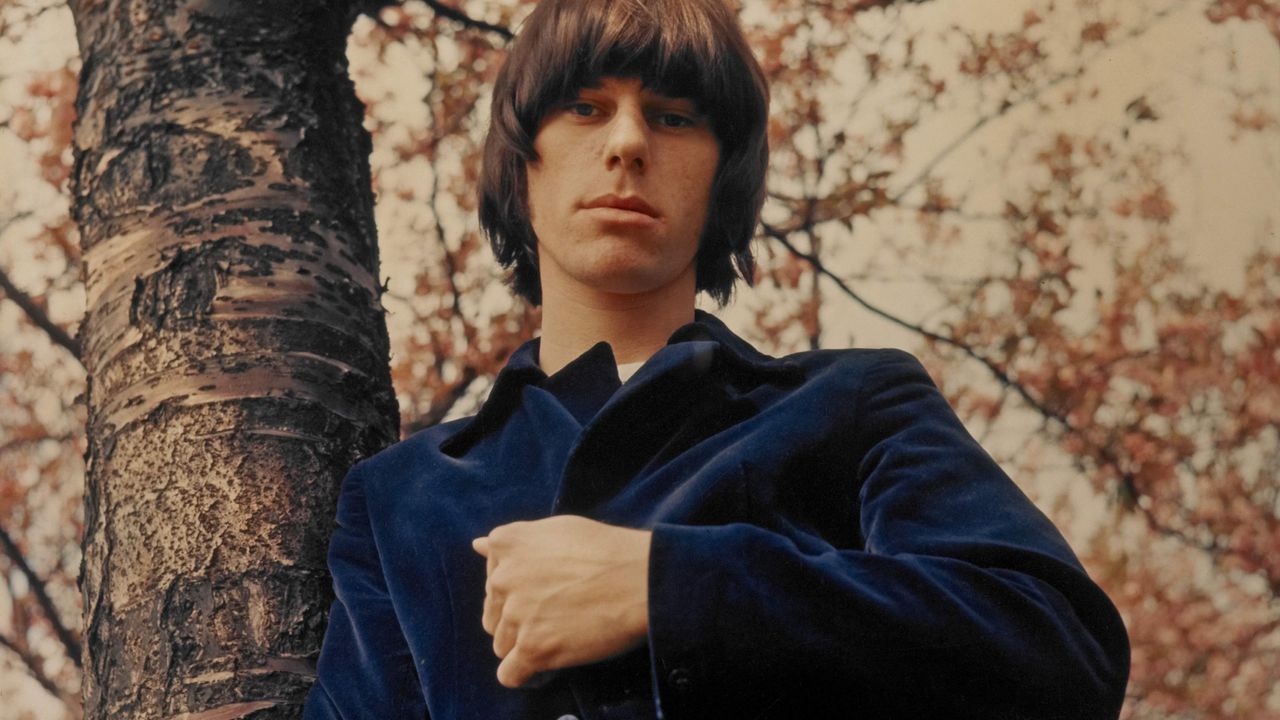
Beck’s Bolero was released in 1966, marking Jeff Beck’s initial solo project following his recognition as Eric Clapton’s successor in The Yardbirds.
At 2 minutes and 53 seconds, Beck’s Bolero included an elite group of musicians featuring Beck and Jimmy Page on guitars, Keith Moon on drums, John Paul Jones on bass, and Nicky Hopkins on keyboards.
The meetings were successful, and the intention was for the group to find a vocalist and carry on as a supergroup similar to Cream, which had been established by Eric Clapton just a few days prior.
This recommendation led to a well-known remark from either Keith Moon or John Entwistle, depending on the source, who said the new project would fail “like a lead zeppelin.”
However, it did not come to pass. Page and Jones would go on to create Led Zeppelin two years later along with Robert Plant and John Bonham.
Beck commented on Page: “I fell in love with Jim’s playing because we shared the same musical language. We were determined to extract the maximum from the studio, pushing boundaries, such as using slap echo – doing all the things that weren’t permitted.”
The beats in Beck’s Bolero were influenced by the 1928 orchestral work Boléro by French composer Maurice Ravel, but Beck decided to twist the idea into his own version featuring howling bends, psychedelic slide guitar, and powerful riffs.
By doing so, he developed a sound that would influence the emerging hard rock and heavy metal scene of the next decade, due to its mind-bending mix of heavier and more intense distorted guitars, forceful strumming, and crashing cymbals. Beck himself once claimed the song featured “the first heavy metal riff ever written, and I wrote it,” although upon closer examination, its roots are not quite as straightforward as that.
The initial writing credits were given to Beck, but this was something Page quickly disputed, leading to his name being listed as the only author.
Both guitarists acknowledged that Page was responsible for the chords and rhythms, but Beck believed he had also contributed sufficiently with his own important elements to the arrangement.
Page’s memory during a 1977 interview with Guitar Player magazine, however, differed somewhat.
Regarding the Beck’s Bolero thing… the song was completed, and then the producer just vanished,” he explained. “He [Simon Napier-Bell] was never seen again; he simply didn’t return, he just sort of left me and Jeff to handle it.
Page continued by explaining how the song was created and who contributed which part.
Jeff was playing and I was in the booth. Even though he claims he wrote it, I actually wrote it. I’m playing the [Fender Electric XII] 12-string guitar on it. Beck is handling the slide parts, and I’m basically playing around the chords.
He said, “The concept was centered on Maurice Ravel’s Bolero. It has a lot of intensity; it worked out well. The lineup was also great, featuring Keith Moon and more.”
Beck later confessed, “No, I didn’t receive a songwriting credit, but you gain some and lose others over the years.”
Fortunately, the guitar players managed to move past their differences and stay friends in the years that came after.
Even though Beck’s Bolero was recorded during sessions held at London’s IBC Studios on May 16 and 17, 1966, the song was not released until the next year, serving as the B-side to Beck’s first single, Hi Ho Silver Lining.
Beck’s Bolero was also featured on Beck’s debut solo album Truth, which came out in 1968. The album included the guitarist working with Rod Stewart as lead vocalist, Ronnie Wood on bass, and Micky Waller on drums.
The meetings occurred prior to Beck’s transition from Gibsons to Fenders.
I was playing a Les Paul for the lead guitar and the reversed slide guitar through a Vox AC30,” Beck once mentioned. “It was the only amplifier I owned and it was covered in beer! In fact, I believe the beer contributed to its unique sound!
He also mentioned how an incident during the recording session ultimately became part of rock ’n’ roll history.
You can hear Moon screaming in the middle of the record during the drum break,” Beck said. “If you listen after the drum break, you can only hear the cymbal because he knocked the mic over! Amazing!
For Page, this was certainly one of the more unforgettable instances during the recording session. “You can hear him scream, then hit the microphone, and after that all you can hear are the cymbals,” he mentioned. “The song just keeps going. It was kind of amusing.”
The piece is split into three parts – beginning with rhythmic patterns reminiscent of Ravel beneath Beck’s uplifting guitar solos, as the guitar alternates between major and minor keys to produce eerie moods.
The atmosphere eases during Beck’s slide solo, which is heavily influenced by ambient effects and delves into a more psychedelic style before returning to the initial theme.
Then everything bursts into a distorted single-note riff that could have easily fit on Black Sabbath’s debut album, which came out three years later.
The final moments of the song bring back the initial theme, but in a significantly more disordered fashion, with each component struggling for dominance in an exceptionally powerful manner.
The conclusion is sudden, ending with some reversed sounds from Beck, employing a concept akin to the title track of Jimi Hendrix’s first album Are You Experienced, which came out only two months later.
It was Page that recommended employing the method on Beck’s recording.
The timing was Jimmy’s suggestion,” Beck confessed. “I played a bunch of noise and he reversed it.
Although “Hi Ho Silver Lining” turned into Beck’s most successful single, gaining popularity among football fans across the nation, its B-side was far more innovative.
Beck’s Bolero established the foundation for the more intense guitar-driven music that emerged in the next decade and, naturally, introduced the world to what would later evolve into Led Zeppelin.
Enjoyed this article? To discover more stories like this, follow us on MSN by clicking the +Follow button located at the top of this page.