Crunchy, stir-fried, and pickled green beans are making a strong comeback as chefs infuse fresh creativity into one of summer’s most dependable vegetables. As culinary techniques continue to develop, green beans remain a staple, connecting traditional comfort with contemporary food trends. Their adaptability ensures their continued popularity, generating renewed enthusiasm in kitchens throughout the United States.
In addition to enjoying fresh green beans in recipes, more home cooks are now utilizing this vegetable for extended storage by canning. Its strong taste and long-lasting nature make it perfect for contemporary preservation methods.
A brief bean history
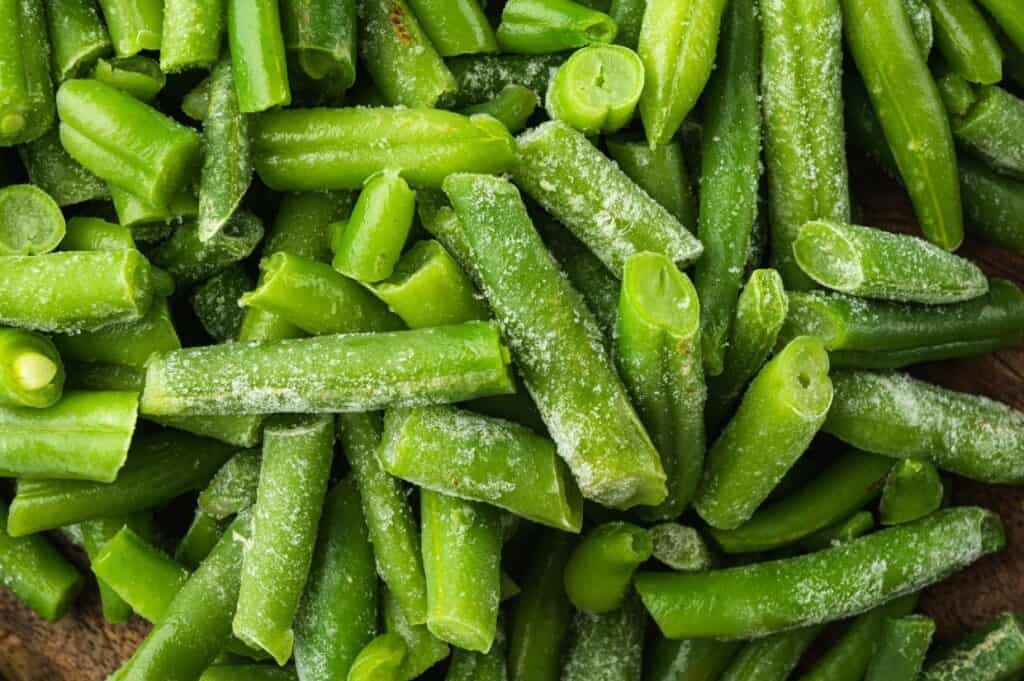
Green beans, sometimes referred to as snap beans or string beans, are at their best during the season fromMay through October, although they are available all year. Previously recognized for the fibrous string on their side, these beans got their name from the sound produced when removing the ends. American farmers created stringless types around 1890 to simplify their preparation and consumption.
Snap beans first came from southern Mexico, Guatemala, Honduras, and Costa Rica before moving north into what is now the Southwestern United States. By the end of the 1400s, they had traveled east from Florida to Virginia. Nowadays, green beans are available in markets as fresh, canned, or frozen, which makes them a common item in daily meals and for long-term keeping.
Green beans go vintage
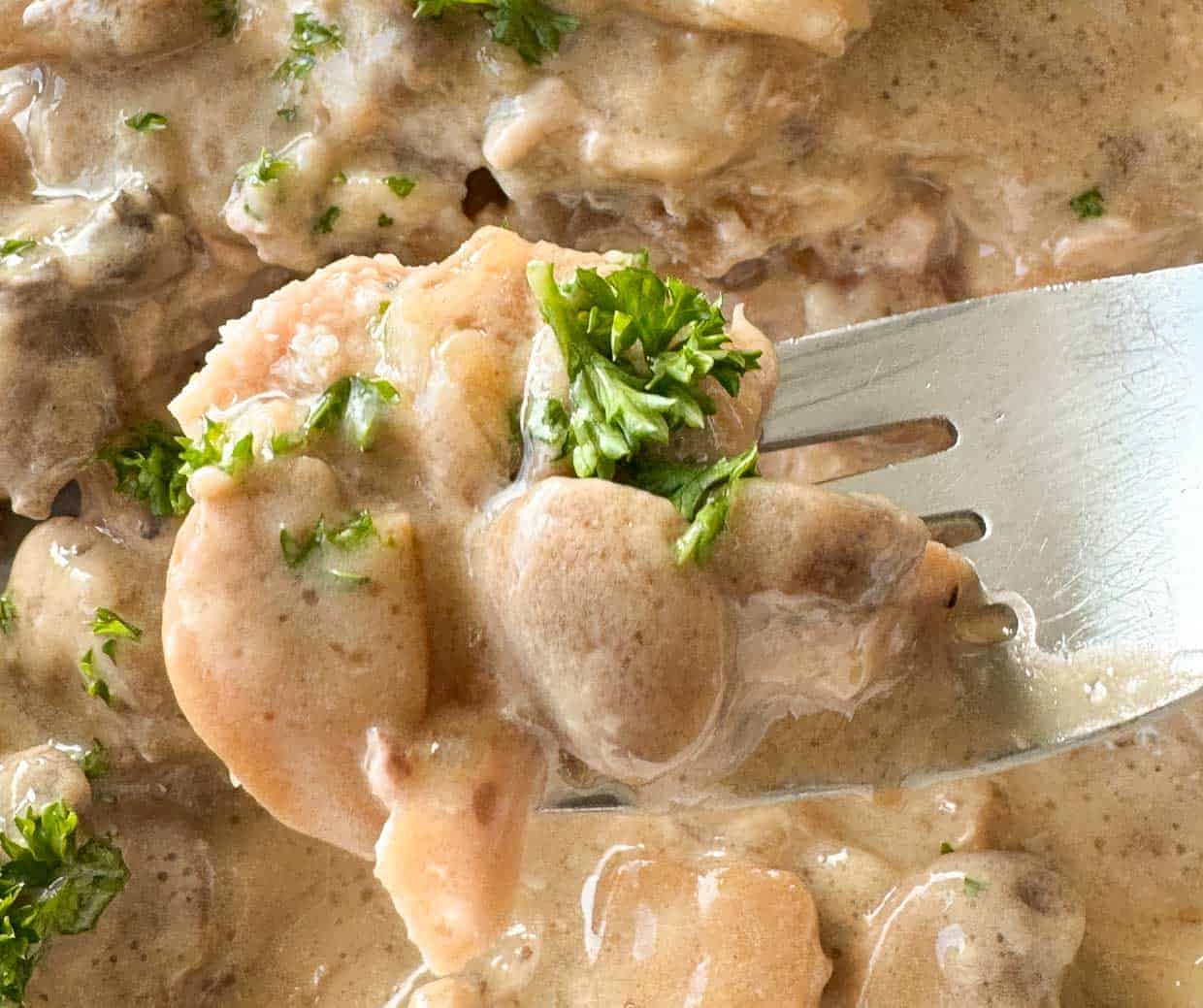
Retro green bean recipes are experiencing a major resurgence as home chefs rediscover traditional comfort dishes. Green bean casserole, which previously relied on canned soup and fried onions, is now being prepared with fresh mushrooms and homemade sauces. Cold salads featuring vinaigrette, red onions, and hard-boiled eggseggsa nod to mid-century menus while keeping their attractive texture and simplicity.
Roasted green beans are still widely enjoyed. Recipes that include almonds and lemon enhance their taste using high heat and minimal extra ingredients. In Southern cooking, green beans are often cooked slowly with bacon or a ham hock. In Greece, fasolakia lathera is a classic dish that combines green beans and tomatoes with onions and olive oil. Pickled varieties round out the selection as canning methods become popular again. These preparations ensure that green beans stay connected to both taste and heritage.
From fresh to pickled
More amateur chefs are preserving green beans through pickling as the trend of small-batch preservation becomes increasingly popular. The crunchy and sour flavor of pickled green beans provides a distinct difference compared to their fresh or cooked versions. They make excellent snacks, additions to salads, or decorations for cocktails. Quick-pickling methods involve just vinegar, water, salt, and seasonings, and can be completed in just a few hours.
To keep green beans for an extended period, conventional canning techniques store them in airtight jars for several months. Numerous recipes feature garlic, dill, red pepper flakes, or mustard seeds to enhance flavor and provide spiciness. Whether prepared for taste or practicality, pickled green beans offer a crisp texture along with strong acidity, making them a common item in contemporary pantries.
Nutrients in every bite
Green beans offer more than just a crisp texture and adaptability. At only 44 calories per cooked cup, they deliver a range of nutritional benefits.nutrient-rich optionFor managing weight while maintaining taste. Their high fiber content aids digestion and enhances satiety.
They also provide essential vitamins and minerals. Vitamin C enhances the immune system and functions as an antioxidant. Vitamin K assists in blood clotting and promotes bone health, whereas vitamin A contributes to good vision and healthy skin. Iron and folic acid play a role in the production of red blood cells and maintaining energy levels. Magnesium and potassium aid muscle function and help control blood pressure. This combination of nutrients makes green beans a beneficial choice for regular meals.
What sets them apart
Green beans are at their best from May to October, when their taste and texture are at their peak. Unlike most vegetables available all year, freshly picked green beans have a crisp bite and natural sweetness that can diminish in those sold out of season. Their adaptability in the kitchen—whether stir-fried, steamed, roasted, or pickled—makes them a common ingredient in seasonal meals.
This time of year inspires chefs to incorporate green beans into a variety of meals, ranging from basic side dishes to robust salads. When they are fresh and in season, they offer improved texture and taste in recipes.
A staple that delivers
Green beans are essential in kitchens and gardens due to their freshness, simplicity, and variety. Chefs incorporate them into vibrant, regional dishes, while home cooks update traditional recipes with new elements. Their ability to be cooked, pickled, or eaten raw makes them a convenient option during the hottest summer months. With increasing popularity in both markets and backyard gardens, green beans keep demonstrating their value where taste and ease are important.
Zuzana Paar is the creative force behind five motivational websites: Amazing Travel Life,Low Carb No Carb, Best Clean Eating, Small Batch Cooking and Eco-Friendly Lifestyle Ideas. As a content creator, recipe designer, blogger and photographer, Zuzana showcases her wide range of talents through stunning travel experiences, nutritious recipes and green living advice. Her content encourages readers to embrace their best, healthiest and most environmentally conscious lives.
The post Snapped, stir-fried, or pickled: Green beans are making a strong comeback. appeared first on Food Drink Life.