
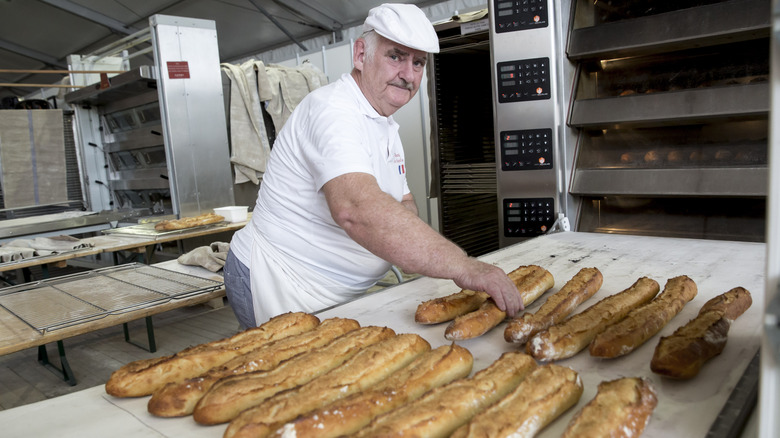
Each bite we consume holds a fragment of history, location, and collective remembrance. This is the core idea that drives UNESCO’s recognition of specific culinary traditions asIntangible Cultural Heritage— a status reserved not for structures or objects, but for ongoing customs that have been handed down through generations worldwide. Since 2003, UNESCO has kept an ongoing list of these practices, including boat-building in Norway and oral poetry in Kyrgyzstan. However, food is increasingly being recognized on this list, with its temporary nature actually enhancing its significance. After all, the smell of sautéed garlic or the sound of a wood-fired crust may disappear in moments, yet the methods, ceremonies, and connections they create remain.
The selection procedure is lengthy, filled with official procedures, and frequently influenced by political factors — nations need to provide thorough documents demonstrating that a practice is deeply rooted in the community, regularly passed down, and holds cultural importance. However, the consequences are significant. Being listed does more than offer recognition; it can encourage funding, tourism, and conservation activities for traditions that are in danger of disappearing amidst the pace of contemporary life.
UNESCO’s growing collection of food-related listings highlights a desire for genuine culinary experiences and an understanding that cuisine serves as a unifying force—connecting people, generations, and different regions through common methods and flavors. Although many websites have already provided quick summaries of UNESCO-recognized food traditions, what comes next offers a distinct approach: a reflective, journey-through-time exploration of flour-covered kitchens, spice-filled markets, and formal feasts that form part of humanity’s most delightful heritage.
Read more: Canned Items That Were Trending 50 Years Back but Are Not Consumed Today
The Craft of Flatbreads, From Neapolitan ‘Pizzaiuolos’ to the Tandrys of Central Asia
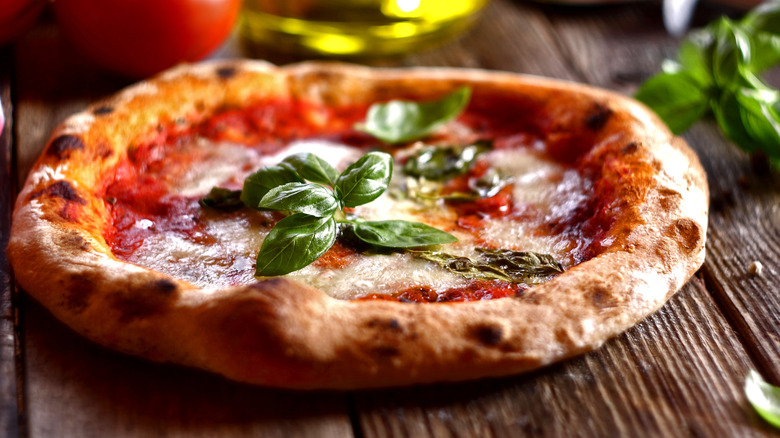
Not every bread seeks to rise. Throughout the world and across time, flatbreads have nourished both laborers and nobility—flexible and easy to carry, fresh from the griddle, and adapted to regional flours, fuels, and types of heat. UNESCO has recognized this unassuming category in several entries that cover various cultures. In Naples, pizzaiuolos don’t merely prepare pizza; they represent a skilled tradition. The craft of the Neapolitan pizzaiuolo goes beyond shaping dough or managing a scorching oven. It involves rhythmic hand movements, the performance of service, and the passing down of expertise through apprenticeships that have endured for generations. The final product—soft in the middle, slightly burned at the edges—has become a symbol of Italian cuisine, even as discussions persist regarding personal preferences.authentic Neapolitan pizza compared to Sicilian pizza.
However, moving further east, the scene becomes more expansive. In nations such as Kazakhstan, Turkey, and Iran, flatbreads like lavash, katyrma, jupka, and yufka are essential components of daily meals and special events. Their creation is frequently a communal effort, with women collaborating over clay tandoors or rounded griddles. These breads can be as thin as paper or as thick as a palm, varying according to the climate, event, and customs — yet they consistently act as edible containers for social interaction. UNESCO’s recognition of both Neapolitan pizza and Central Asian flatbreads highlights cultural links — similar methods that result in equally tasty, though different, treats.
Street Food Culture in Singapore
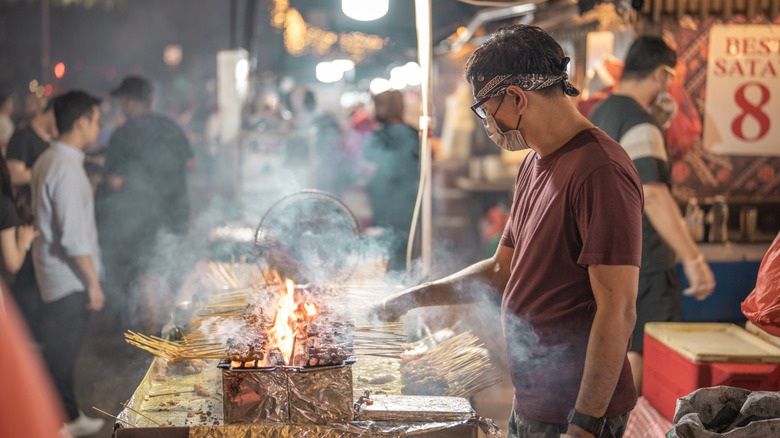
Several cities have made street food a significant part of their cultural identity, but none have done so as thoroughly as Singapore. The island-nation’s hawker centers—large outdoor food courts with hundreds of individual stalls—are much more than just a practical option. They serve as a key civic institution. The UNESCO designation of hawker culture as Intangible Cultural Heritage in 2020 confirmed what residents have always understood: that communal dining, budget-friendly meals, and diverse culinary traditions form the foundation of daily life in this place.
Emerging from post-war efforts to control informal street food selling, hawker centers have evolved into carefully designed reflections of Singapore’s cultural mix. A single meal could combine Malay satay, Hainanese chicken rice from southern China, and Indian roti prata — all prepared to exceptional levels by experts who have often run the same stall for many years. This leads to more than just efficient eating; it represents a form of distributed knowledge: a collection of culinary specialists, each maintaining a focused yet refined set of skills. Hawker cuisine is also inexpensive and easy to access, making it a favorite choice for busy city dwellers needing a quick bite.
This system has also created a notable consistency in preferences within a rapidly evolving city. Although international chains are widespread in the skyline above, street-level dining continues to stay strongly connected to tradition.Anthony Bourdain listed Singapore as one of his top three favorite culinary destinations.and was especially fascinated by hawker culture. For him, street food acted as a means of comprehending not only a nation’s culinary traditions but also its broader society and culture.
The Variety and Intricacy of Traditional Mexican Food
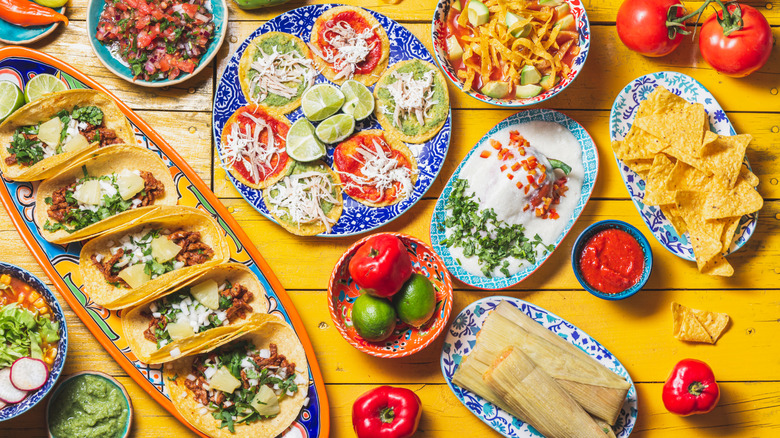
Mexican food frequently appears on global dining tables as simplified stereotypes: tacos, tequila, and hot salsa. However, within the country, the food scene is complex, varies by region, and has strong connections to ancient agricultural practices and the influences of immigrants. In 2010, UNESCO designated traditional Mexican cuisine — particularly through the example of Michoacán — as an Intangible Cultural Heritage, marking it as the first national culinary tradition to be honored in this way.
The UNESCO document goes beyond highlighting recipes; it focuses on the fundamental systems involved: milpas (the rotational cultivation of maize, beans, and squash), nixtamalización (the alkaline treatment of corn), collective cooking efforts, and the symbolic function of food within Mexican culture. Dishes such as tamales or mole are not just occasional treats—they reflect the cycles of the seasons, religious celebrations, and the passing down of labor through generations. In this perspective, cooking is deeply connected to identity, the environment, and societal organization.
The Michoacán model was selected due to its well-preserved culinary traditions, where Purépecha communities continue to use precolonial farming methods and prepare food on wood-fired comals. However, comparable practices can be found throughout Mexico’s varied regions. The importance of this recognition is in its support for food sovereignty and acknowledgment of women’s roles as keepers of knowledge, growers, and chefs in maintaining cultural heritage. Although modern Mexican kitchens embrace innovation, they still rely on basic pantry staples that have supported the cuisine for generations:high-quality components for classic Mexican cuisine, a vibrant Mexican street food cultureand a respect for the individuals preparing the meals.
Two Culinary Traditions Centered on Rice, Fish, and Group Festivity
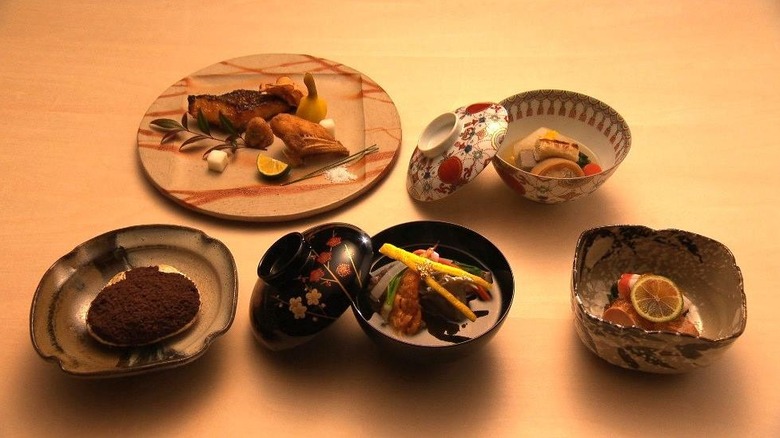
Two coastal countries, each with culinary practices built around rice and seafood, and each holding UNESCO recognition that highlights the significance of food as a ritual, not just a meal. In Senegal, ceebu jën (also known as thieboudienne) is much more than the national dish — it’s a communal experience. This combination of broken rice, seasoned fish, vegetables, and tamarind or tomato sauce is traditionally presented in a shared bowl, with each person eating from their assigned section. The dish reflects Senegalese values of generosity, seasonal ingredients, and group dining, with specific roles assigned to family members from the kitchen to the table. While the ingredients are simple, the preparation is complex and strictly followed. In Dakar, it’s often a sign of a cook’s skill and status.
Across the globe, washoku — traditional Japanese cuisine — is based on different ingredients but follows similar ideals: harmony with nature, balance in textures and colors, and a reverence for tradition. Although washoku includes all aspects of Japanese food culture, its UNESCO recognition highlighted New Year festivities, where dishes such as osechi ryōri (multi-section bento boxes) act as both meaningful symbols and inherited family treasures. Both approaches provide models for how everyday meals can hold spiritual and social significance. And both are built on the concept that food serves as an archive — a reflection of climate, commerce, and ancestral wisdom.
Beer Culture In Belgium

Belgium creates less than 2% of the world’s beers but has a significant impact on the brewing world. Its brewing culture—varied, spread out, and uniquely different—is recognized by UNESCO as a cultural heritage. In 2016, it was added not for a single type of beer, but for the richness and range of its overall practices. This recognition highlights that beer is more than just a drink. It represents a tradition rooted in monasteries, local festivals, and a developing sense of regional identity.
What makes Belgium unique goes beyond its technical variety — including spontaneously fermented lambics and bottle-conditioned tripels — but also the cultural framework surrounding these beers. Each beer comes with its own specific glass, its own perfect pouring method, and frequently its own underlying story. Monastic groups such as the Trappists have preserved brewing methods for centuries, while independent craft brewers keep pushing boundaries within traditional styles.
Crucially, Belgium’s beer tradition is both social and craft-based. Local bars serve as stores of beer expertise, often shared informally between bartenders and regular customers. Drinking is seldom hurried, and matching beer with food — such as bold cheeses or hearty stews — is common practice rather than an unusual interest. Nowadays, Belgian styles are copied and promoted worldwide, yet their origins stay very distinct. Atripel beer– a strong drink that is fermented using unique yeast cultures — can now be produced in Oregon or Seoul, but its name and taste reflect a specific cultural rationale.
Truffle Hunting In Italy

The charm of the truffle stems, in part, from its difficulty to find. Hidden beneath the earth and connected to the roots of certain trees, truffles are hard to grow and challenging to collect using machines. In central Italy—especially in areas such as Umbria, Tuscany, and Piedmont—the process of finding them has become a formalized custom. In 2021, UNESCO acknowledged this practice not as a simple food-related habit but as a system of knowledge passed down through generations that combines human insight, animal training, understanding of the environment, and the timing of the seasons.
At the heart of this practice lies the relationship between the hunter and their dog. Don’t think about pigs; Italian truffle gatherers mainly use specially trained dogs, valued not only for their exceptional sense of smell but also for their speed and subtlety. Training starts young, typically handed down from one generation to the next along with the stories about the land, weather patterns, and the habits of fungi. The task is quiet and involves physical presence — a slow stroll through known forests, a sudden stop, a careful excavation.
Although black and white truffles are now available globally, the mystery surrounding their sources often hides the effort involved in finding them. The commercial demand has grown, causing truffle prices to soar during peak times, yet the UNESCO recognition helps place this activity within its larger framework — as a part of rural heritage, rather than just a luxury trade. Understandingthe distinction between white and black trufflesis merely the start in understanding this highly valued, uncommon, and intricate mushroom.
The Mediterranean Diet
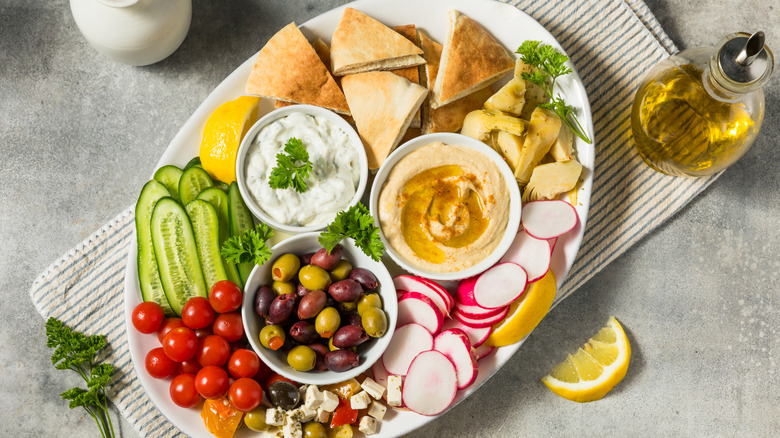
Many discussions have highlighted the health advantages of the Mediterranean diet, linking it to longer life, heart health, and “clean eating” movements. However, UNESCO’s recognition of the Mediterranean diet in 2013 was not primarily about counting calories or omega-3 fatty acids. Rather, it emphasized the diet as a cultural framework: a method of obtaining, cooking, and enjoying food that strengthens community bonds and environmental harmony across various nations, including Greece, Italy, Morocco, and Spain.
At its foundation, the Mediterranean diet is not a rigid plan but a adaptable framework based on plant-focused consumption, seasonal patterns, and shared dining experiences. Olives and olive oil, grains, legumes, fruits, fermented dairy products, along with fresh and preserved vegetables form the base, enhanced by small amounts of fish, meat, and wine. However, it’s thehow, not just the what, which makes it deserving of heritage status: the dependence on local farming, the customs of outdoor markets, and the social structure of communal dining.
Mediterranean Mezze culture– the custom of serving small plates that is common throughout the area — reflects this philosophy. It values diversity rather than quantity, and conversation instead of eating. Meals last for many hours, with multiple courses of food, wine, and family interaction. By recognizing the Mediterranean Diet as an Intangible Cultural Heritage, UNESCO highlights that sustainability goes beyond carbon emissions or nutrition charts. It also involves deep-rooted knowledge systems that link the land to the plate, neighbors to each other, and memories to meals.
The Art of Making Baguettes in France and Its Worldwide Influence
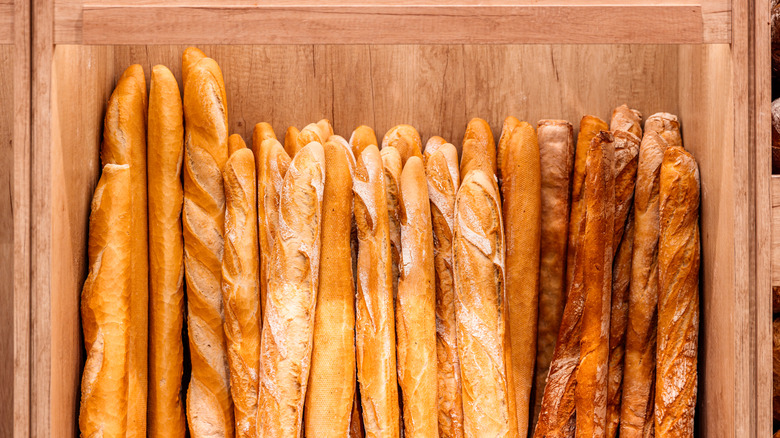
Despite being made from just flour, water, salt, and yeast, the French baguette holds significant cultural importance. Its crispy exterior and light, fluffy center have come to represent French identity, serving as a quick indicator of handmade quality and daily sophistication. However, asUNESCOhighlighted in its 2022 recognition of the “artisanal expertise and culture of baguette bread,” the baguette is more than just an item — it’s a method, a pattern of everyday living.
The historical significance highlights small bakers who start their day before sunrise, crafting and letting dough rise following traditional methods. This process is demanding and faces growing challenges from industrialization and shifting dietary preferences, as store-bought bread and mass production techniques gradually reduce the influence of local bakeries. UNESCO’s acknowledgment seeks to preserve both the expertise and the cultural importance of the baker as a key member of the community.
The heritage of the baguette goes well beyond France, taking on different shapes in colonial and postcolonial settings. Nowhere is this more clear than in Vietnam, where thebánh mì sandwichcombines French methods with Southeast Asian ingredients. The baguette continues to be a central element in discussions about craftsmanship, tradition, and regulation—highlighted by a history of bread production regulations that clarifywhy are French baguettes typically long. In recognizing the baguette, UNESCO highlights the fragile yet strong essence of everyday traditions — and the hands that sustain them, one loaf at a time.
The Tradition of Tea in China, Turkey, and Azerbaijan

Tea is the most popular drink globally, following water, but its significance changes greatly based on location and preparation method. In 2022, UNESCO acknowledged the common tea culture among China, Turkey, and Azerbaijan—three nations with unique traditions but similar values concerning hospitality, rituals, and community life.
In China, the way tea is prepared is considered a refined and structured art that has been practiced for thousands of years. There are numerous regional variations: light green teas from Anhui, roasted oolong teas from Fujian, and aged pu’er teas from Yunnan. Every type of tea requires particular brewing methods, water temperatures, and specific containers. The process of serving tea serves as a subtle way to show respect and care.
In Turkey, tea is an essential part of daily life and political interactions. It is prepared strongly in stacked kettles and served in tulip-shaped glasses, serving as a central element in business discussions and casual chats on the roadside. Vendors move tea carts through Istanbul’s markets, while samovars are used to boil tea in village homes. Azerbaijan shares many of Turkey’s traditions but also has its own unique aspects—such as spices like cardamom, ornate glassware, and the practice of enjoying tea with homemade jams. Across all three countries, tea is more than just a drink. It represents hospitality, a moment of respite during the day, and a means of both personal and formal diplomacy. Although large tea-exporting nations dominate globally, UNESCO’s recognition highlights the quiet human rituals that have influenced tea culture across the world for thousands of years.
The Origins and Richness of Haiti’s Joumou Soup
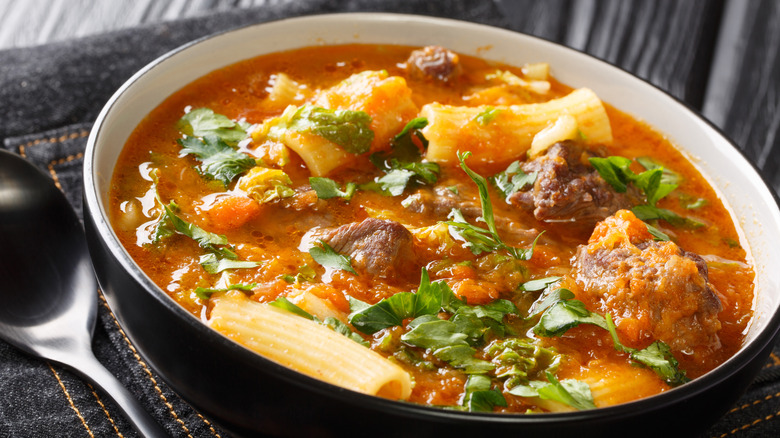
Joumou soup, also known as giraumon soup, is a significant part of Haitian cultural identity, blending delicious flavors with deep historical significance. Made from giraumon pumpkin, root vegetables, plantains, beans, meat, and fragrant spices, it showcases the island’s agricultural variety and cooking ingenuity. Although its components are simple, their mix creates a robust, flavorful dish that sustains both the body and the soul.
Its symbolic significance traces back to Haiti’s independence from France in 1804. Originally a treat enjoyed by colonial slave owners, the soup was later embraced by newly liberated Haitians as a food-based expression of freedom, pride, and perseverance. Eaten every January 1 — Haiti’s Independence Day — Joumou became the first meal of the year, connecting celebration with nourishment. In addition to its role on the national holiday, it is also a beloved Sunday morning breakfast custom.
The making of Joumou is highly communal. Farmers grow the vegetables, artisans create the cooking pots, and entire families get involved: Women manage the cooking process, children assist with peeling and cutting, and neighbors come together to enjoy the final soup. Its inclusion in UNESCO’s 2021 Representative List of the Intangible Cultural Heritage of Humanity acknowledged not just its culinary value, but also its importance in promoting social unity and celebrating a common Haitian identity.
Read the original article on Muara Digital Team.