Toyota is likely the most well-known car brand globally at this time. In the first half of 2025, the Corolla became the top-selling car worldwide, followed by the RAV4, highlighting the brand’s widespread influence. At the same time, the Land Cruiser serves as the standard vehicle for remote areas,highlighting Toyota’s dedication to manufacturing dependable vehicles.
However, few are aware that Toyota’s influence extends beyond the vehicles it manufactures. Indeed, the Toyota Motor Corporation (TMC) is a key component of a larger entity known as the Toyota Group, which operates across multiple sectors. TMC itself is substantial: it holds several other automotive brands and has a considerable ownership in others. Additionally, it is currently Japan’s top company in terms of market value.
But which automobile manufacturers are under Toyota’s ownership? You might be familiar with at least one, but in this article, we’ll examine some brands that you may not even be aware of. We’ll concentrate on car brands, while also providing information about top-tier suppliers that support Toyota’s worldwide presence. Let’s uncover the layers of Toyota.
Read more: 10 Toyota Vehicles Known for Poor Resale Performance
Toyota
Surprise, we know. Nevertheless, Toyota sells the majority of its vehicles under its own brand, leading the sales charts in numerous countries. In 2025, the RAV4 was the top-selling non-truck vehicle in the U.S. This is even though Toyota has recently launched aentirely reimagined, exclusively hybrid 2026 RAV4, which is likely to increase sales even more. Oh, and the Toyota Camry comes in third on the list (excluding trucks), despite sedans gradually becoming less common.
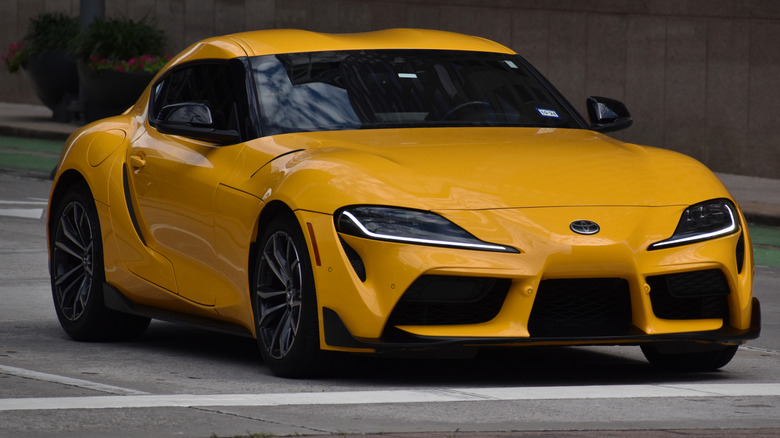
Let’s also not forget the exclusive GR Toyota performance models. While other car manufacturers are discontinuing sports car models, Toyota remains dedicated to offering us exciting vehicles. Whether it’s a rally-style AWD hot hatch, an affordable and lightweight RWD sports car, or a turbocharged inline-6 performance vehicle, Toyota has something for everyone. Toyota’s SUVs and trucks are also very popular in the United States. The Tacoma has consistently been one of the top-selling mid-size pickup trucks, and there is a lot of anticipation for the brand-new 4Runner. The Japanese automaker also reintroduced the Land Cruiser in 2024, and the Grand Highlander has been a big success in terms of sales.
Like every company, Toyota is encountering several challenges in the future. The brand has been known for its delayed transition to battery-electric vehicles, although this decision eventually turned out to be beneficial as EV sales have recently declined. Additionally, Chinese automakers, along with Hyundai and Kia, currently possess more advanced 800V electric systems. The upcoming era of software-defined vehicles may also present a challenge, as startups such as Tesla and Rivian are at the forefront. However, the newly created “Woven by Toyota” subsidiary has helped bridge the gap through the Arene software platform, which will be available in the 2026 RAV4.
Daihatsu
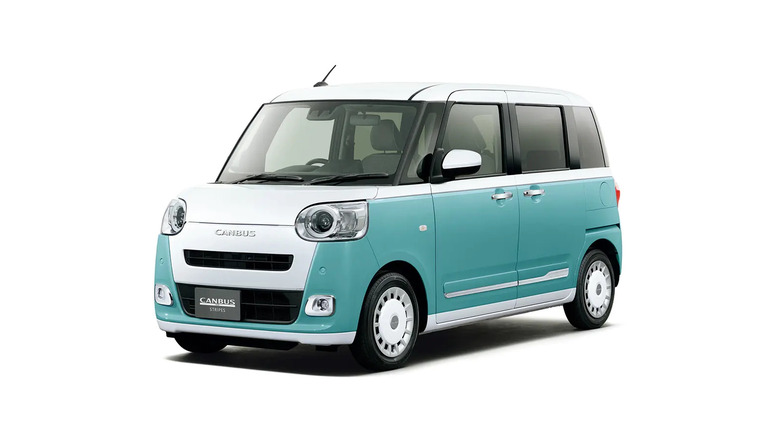
Toyota acquired Daihatsu as a fully-owned subsidiary in 2016, although it had previously held a 51.2% ownership stake since 1998. The intention was to establish a cohesive strategy for the small car market, where Daihatsu has significant experience. City cars tend to be less profitable compared to SUVs or sedans, and several automakers have discontinued their small vehicle lines. Nevertheless, maintaining Daihatsu within its group has enabled Toyota to keep manufacturing compact, fuel-efficient vehicles, mainly targeting the Asian market.
For example, the newest Yaris Cross model designed for Southeast Asia is built on the DNGA (Daihatsu New Global Architecture) platform. On the other hand, the European version uses the TNGA (Toyota New Global Architecture) platform. However, in 2023, reports emerged that Daihatsu vehicles, including those from Toyota, were involved in manipulating crash test results. This led to a response from TMC, as the company halted the development of several Daihatsu compact cars. In essence, Daihatsu’s design and management teams will be integrated into Toyota. Therefore, what does this imply for Daihatsu’s future? The brand is likely to remain, but future models will be developed using Toyota’s platforms.
It’s a pity, as Daihatsu created some impressive vehicles for Toyota, such asthe unique Copen GR Sport roadsterThe 1987-1993 Charade GTti demonstrated that three-cylinder compact performance cars were feasible long before the GR Yaris. It featured a small 1.0-liter turbocharged engine producing an impressive 104 hp, allowing it to accelerate to 60 mph in just 8 seconds. Additionally, Daihatsu has been in operation since 1907, manufacturing its first motorcycle engine and three-wheeled car in 1930. This was six years prior to Toyota’s initial vehicle, the Model AA, which was introduced under the Toyoda name.
Lexus
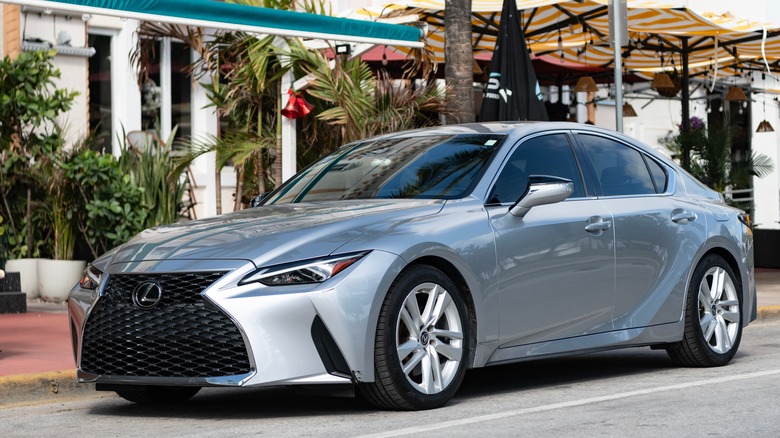
Lexus was launched in 1989 as Toyota’s premium line, introducing two models — the LS 400 and ES 250. Still, the LS 400 received greater recognition. This V8-powered luxury car was a remarkable achievement, outperforming German competitors in many areas. The LS 400 was quieter, more solidly constructed, and half the price of an S-Class or 7 Series. Most importantly, it offered much greater reliability.
Combining opulence and dependability has been a challenge for the Germans over many years. In J.D. Power’s2025 U.S. Car Reliability Report, Mercedes-Benz and Audi scored much lower than the study average. BMW came in ninth. Lexus? First. And this has been the situation since the brand entered the automotive market. Importantly, this has helped the brand draw in many customers — the RX and NX were the top two best-selling luxury vehicles in America in 2025. But it’s not only about reliability — Lexus also expanded the performance limits withthe LFA, powered by a V10 engine, one of the most legendary supercars ever created. Soon, the brand is once more ready to amaze the world with the LFR, which is said to include a twin-turbo V8 hybrid engine.
Nevertheless, Lexus’ era as a manufacturer of internal combustion engines is coming to an end, with plans to transition entirely to electric vehicles in the U.S. by 2030 and worldwide by 2035. At present, Lexus offers one electric vehicle in the United States — the RZ — which has undergone major changes for the 2026 model year. The newly introduced 2026 Lexus ES will also be available with two fully electric powertrains, and a three-row electric SUV is currently being developed.
Hino Motors
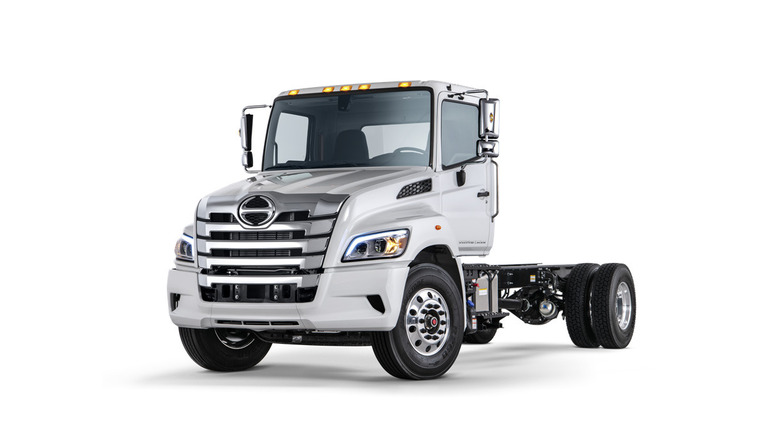
Another major purchase by the Toyota Group is Hino Motors, which is among Japan’s top producers of commercial vehicles, holding the 13th position globally in revenue. Toyota obtained a 50.1% controlling interest in Hino in 2001. However, unlike other automotive brands on this list, Hino Motors is a subsidiary of the Toyota Group, not Toyota Motor Corporation. The company continues to function under the same group, as TMC is also part of the Toyota Group, but this is a key difference. Beginning next year, Hino Motors will join a new partnership with Mitsubishi Fuso, which is owned by Daimler. Daimler Truck and Toyota will each hold a 25% stake in the new entity.
Although not widely popular in the United States, Hino trucks are available in North America.Hino vehicles are also manufacturedAt two locations in the United States and one in Canada. For the U.S. market, Hino offers medium-duty trucks; the smaller L Series is equipped with a Cummins B6 diesel engine, while the XL Series features a Cummins L9 diesel engine. In other regions, the Hino 700 heavy-duty truck, capable of carrying 22 tons, is also available, equipped with the company’s own 12.9-liter six-cylinder diesel engine producing up to 473 horsepower. Notably, the company also participates in the Dakar Rally through the Hino Team Sugawara racing team.
Interestingly, in earlier years, Hino Motors also manufactured passenger vehicles. In 1953, Hino created the Renault 4CV for the Japanese market, and in 1961 introduced its initial self-developed passenger car — the Contessa 900. However, the vehicle was nearly identical to the Renault Dauphine, marking the company’s final attempt in the passenger car sector.
Other Car Manufacturers That Toyota Controls Or Has Investments In
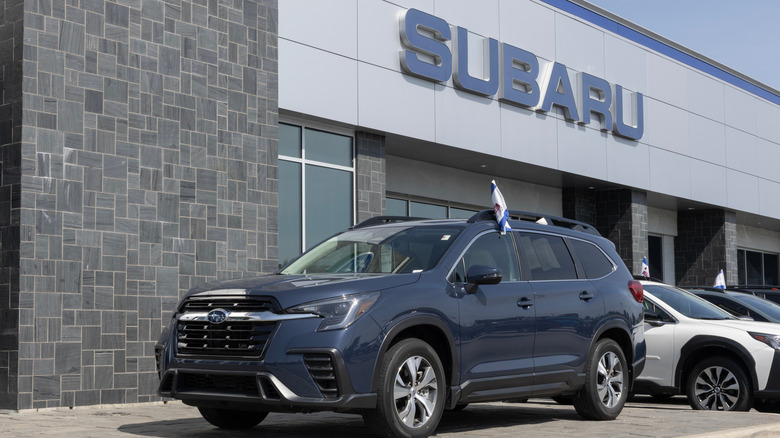
Toyota is not only linked to its own brands; the company also holds substantial ownership in other Japanese car manufacturers. Most notably, it has a 20% minority ownership in Subaru, providing Toyota with voting power within the company. Because of this, the two brands have worked together on the Toyota GR 86 and Subaru BRZ sports cars, as well as some newer electric vehicles, such as the Toyota bZ Woodland and Subaru Trailseeker. Toyota also owns a 4.94% share in Suzuki. However, a more significant investment is the 5.1% stake in Mazda, which led to the creation of the Mazda Toyota Manufacturing plant in the United States.
Toyota has also partnered with Subaru and Mazda to create advanced internal combustion engines that can operate on alternative fuels and in hybrid-electric versions. Toyota will design four-cylinder engines while respecting its competitors’ distinct designs. Subaru will manufacture hybrid boxer engines, and Mazda will focus on rotary engines. Indeed, in a sense, Toyota is helping preserve the rotary.
Two of the top automotive suppliers globally, Aisin and Denso, are also part of the Toyota Group. Aisin focuses on transmissions and, similar to its parent company, manufactures some of the most dependable models worldwide. The company offers standard automatic transmissions as well as CVTs for Toyota and other car manufacturers. On the other hand, Denso produces high-quality electronic components such as alternators, spark plugs, sensors, and ignition coils. It also creates air conditioning compressors, fuel pumps, filters, and engine cooling sensors. Denso’s parts are known for their reliability and, in many cases, offer greater durability compared to Bosch, the leading global auto supplier.
Looking for the newest developments in technology and automotive trends?Sign up for our complimentary newsletterFor the most recent news, professional advice, and instructional guidance, delivered one email at a time.
Read the original article on Muara Digital Team.