A New Vision for Audi’s Design
Audi has welcomed a new leader in design, Massimo Frascella, an Italian designer who previously worked with Jaguar-Land Rover. While nationality may not always dictate a brand’s ethos, Frascella’s influence is evident in Audi’s latest concept, the Concept C. This model brings back something Audi has been missing: sex appeal and passion.
The Concept C draws inspiration from the original TT, a car that harks back to Audi’s Auto Union days in the 1930s. It also reflects the serious futurism that Audi has embraced since the early 2000s. Frascella’s background, which includes stints at Bertone, Ford, Kia, and JLR, has given him a broad perspective on design across various brands in different stages of reinvention. With the Concept C, he demonstrates a deep understanding of the challenges facing Audi: a mature brand that feels somewhat stuck but possesses a rich heritage that needs to be rediscovered with fresh eyes.
The Essence of “Audiness”
For car enthusiasts of a certain age, the name “Audi” evokes several iconic models. The original Quattro racer and small-batch production Quattros come to mind, as do the TT, Audi 80s, and Audi GT Coupes. These vehicles share a common trait: simple silhouettes and great proportions. The Concept C pays homage to this legacy by incorporating elements from both the Quattro and the TT.
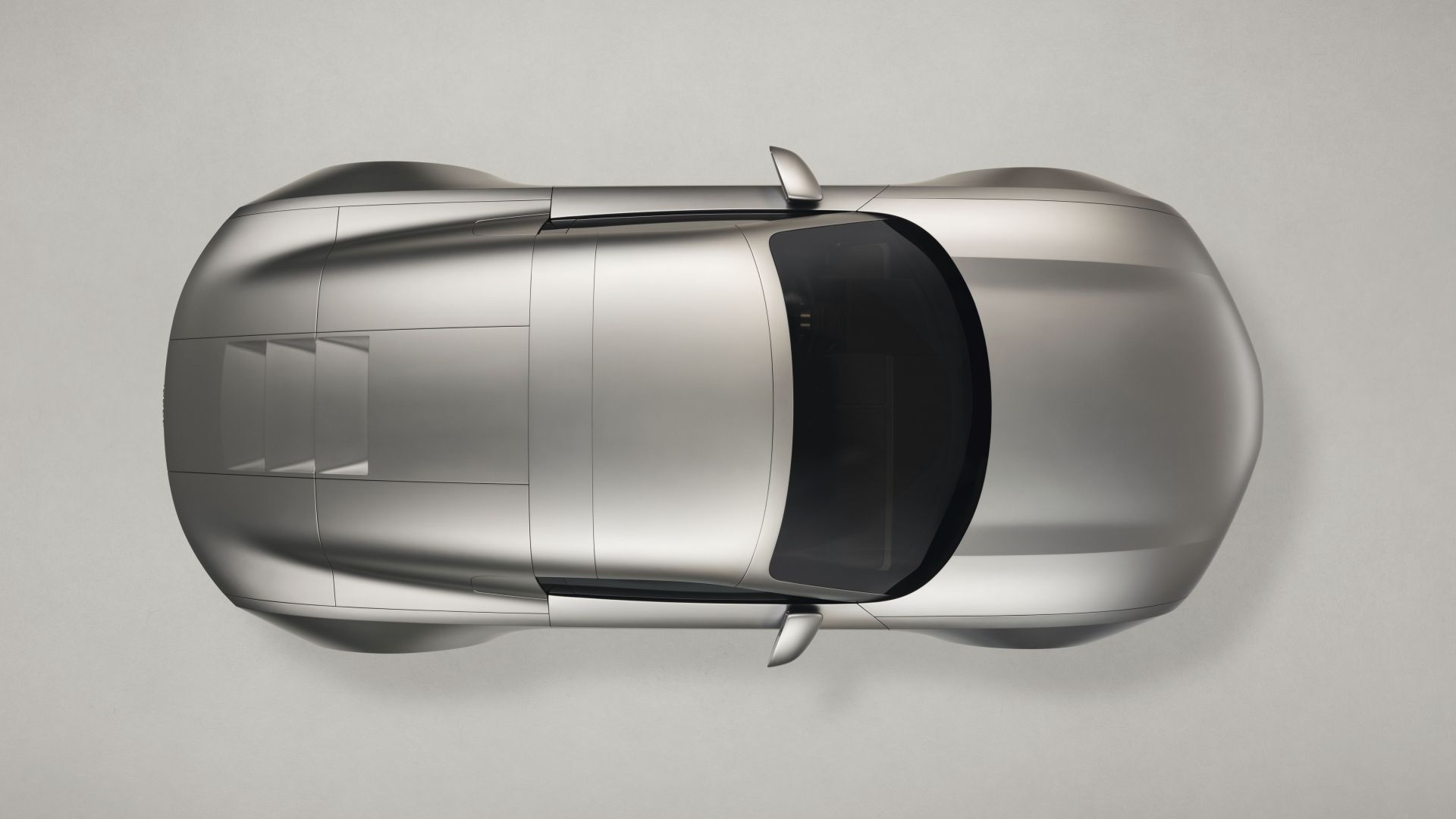
It features a two-seat sports car with a hidden folding top, similar to the Porsche 911 Targa. The rear curves echo the TT, while the front boasts the bold, squared-off nose reminiscent of the Quattro. This blend of styles captures the essence of what makes Audi unique.
Modernizing the Design Language
Looking at the evolution of the TT, there’s a clear progression in design. Audi’s release on the Concept C mentions the idea of “radical simplicity,” which is evident in the sharper lines compared to the softer shoulders of previous TT models. The architectural nature of the Concept C is apparent at the front, where the car appears slightly static and restrained. However, Frascella has managed to balance the grille size visually, making it more harmonious. This design can scale down to smaller sports cars or up to SUVs without becoming overwhelming.
Lighting with Purpose
Audi has historically used distinctive lighting elements, but recent designs have leaned toward something more anonymous. Frascella’s approach brings the lights back into focus, using a four-lamp pattern that aligns with the brand’s four rings. This design choice reinforces Audi’s tech-forward identity.
Less Screen, More Substance
Audi was once a leader in automotive technology, pioneering features like advanced chipsets and Google mapping. The shift toward screen overkill has been met with some resistance. The Concept C suggests a return to physical controls, offering tactile feedback and the ability to hide a central tablet-like display. This move signals a step back toward a more balanced user experience.
A Softer Interior
The cabin of the Concept C evokes a sense of comfort and homeliness. This is no surprise, given Frascella’s background with Land Rover, which has long embraced a similar design philosophy. The use of indirect lighting, rather than flashy LEDs, sets the Concept C apart from other brands rushing to adopt the latest illumination trends.
The interior moves away from the somber blacks that German carmakers adopted in the 1980s, creating a space that feels human-centric. This design allows physical controls and crafted features to stand out, serving as eye-catching details that enhance the driving experience.
A Two-Seat EV with Practical Proportions
Audi has not revealed details about the powertrain of the Concept C, except that it is an electric vehicle with a central battery layout behind the cabin. Unlike many BEVs that appear too tall relative to their length due to floor-mounted batteries, the Concept C maintains gas-car proportions. If Audi can replicate this in future EVs, it could bring back the refinement expected from a brand with over 120 years of automotive history.
Additionally, the Concept C is a sports car, and the industry needs to see EVs in all shapes and sizes—not just crossovers.
Final Thoughts
Audi needed this kind of design overhaul, and the Concept C delivers a compelling blend of sharp angularity, softer forms, and technological edge. While the face might be a bit much, it represents a strong departure from the past. Audi claims the Concept C signals a new direction, and it’s a positive step forward. There may be some whiplash, but that’s the point—this is a bold new vision for the brand.