McDonald’s has long been known for its consistency, offering the same beloved menu items no matter where you are in the world. From the Big Mac to the classic fries, the chain has built a global empire on this reliability. However, behind the scenes, McDonald’s has also experimented with numerous menu items that didn’t quite make the cut. These failed attempts offer a fascinating look at the company’s creative process and its willingness to take risks.
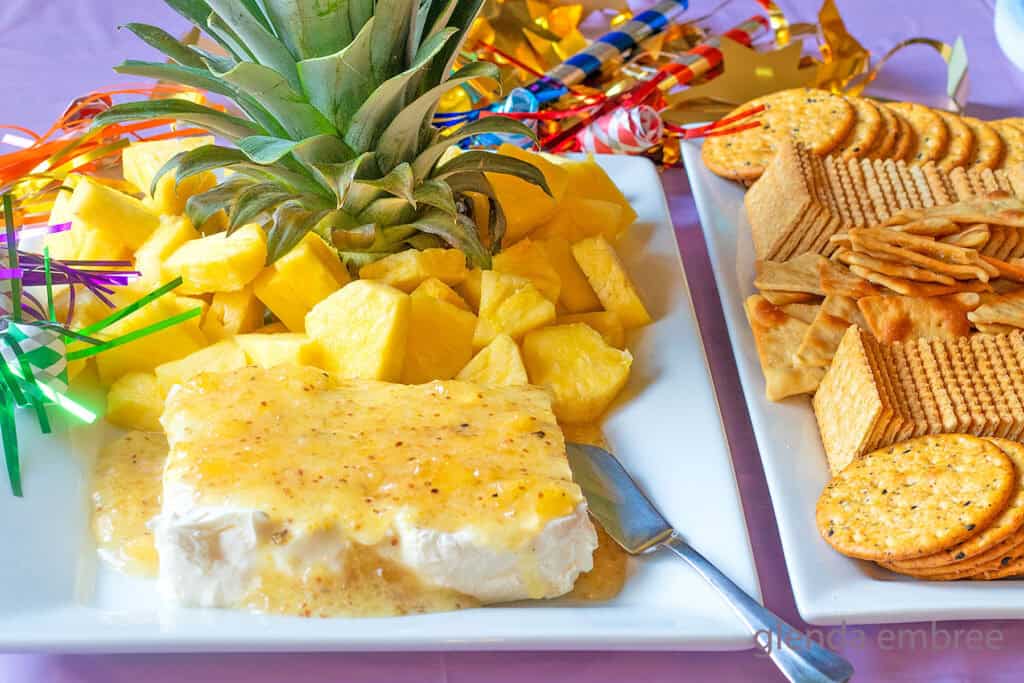
One of the earliest examples of McDonald’s innovation came in the 1960s when a franchisee named Lou Groen noticed a drop in sales during Lent, a period when many Catholics abstain from eating meat. To address this, he proposed a fish sandwich, which eventually became the Filet-O-Fish. But before that, Ray Kroc had an idea of his own: the Hula Burger. This unusual creation featured a pineapple slice topped with cheese and served in a bun. The test was a disaster, with only six sales compared to 350 for the fish sandwich. The Hula Burger never returned, while the Filet-O-Fish became a permanent part of the menu.
Another failed experiment was the Onion Nuggets. Introduced in 1978, these deep-fried onion chunks were meant to be a snack or side. Despite their unique flavor, they didn’t win over customers. However, they laid the groundwork for what would become one of McDonald’s most iconic products: the Chicken McNuggets. Legend has it that Fred Turner, then chairman of McDonald’s, suggested trying chicken instead of onions, leading to the launch of the McNuggets in 1983.
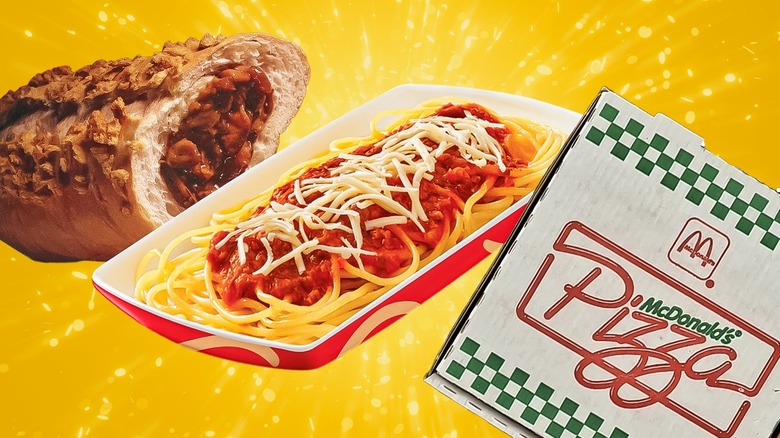
In the 1990s, McDonald’s tried to expand into the pizza market with the McPizza. Although it was available in select locations, the main issue was the time it took to prepare. Unlike burgers and fries, which could be made quickly, the pizza required more effort, leading to longer wait times. Additionally, many customers found the pizza to be mediocre. By the early 2000s, the McPizza was phased out, though some versions can still be found at the Epic McD in Orlando.
McSpaghetti was another attempt to bring pasta to the fast-food scene. While it didn’t gain traction in the U.S., it became a hit in the Philippines, where it featured local ingredients like sweet banana ketchup and hot dog slices. Today, it’s still a popular item in certain regions, and a version of it can be found at Epic McD, where customers can build their own pasta dishes.
The McHotDog was another underwhelming addition to the menu. Launched in 1995, it was met with little fanfare. Ray Kroc himself had previously warned against adding hot dogs, citing concerns about quality. Despite this, the McHotDog remained on the menu until 1999, with occasional appearances in other countries. In 2025, a similar product was introduced in Korea, featuring a plain hot dog on a sesame seed bun.
McStuffins, a sandwich that combined elements of submarine sandwiches and Hot Pockets, was another failed experiment. Though marketed with a sense of secrecy, the sandwiches never gained popularity and were pulled after a short time. The concept was too similar to existing products and may have been too time-consuming to prepare.
The McLean Deluxe, launched in 1991, was an attempt to appeal to health-conscious consumers. Featuring a lean beef patty and seaweed extract, it was intended to be a healthier alternative. However, it was criticized for being dry and unappealing, with some even comparing its taste to “ground-up newspapers.”
McDonald’s also tried its hand at chicken wings with the Mighty Wings. Launched in 2013, the wings were inspired by successful chicken wings in Hong Kong. However, they struggled to gain traction due to high prices and strong spice levels, leading to a large amount of unsold inventory.
Finally, the Arch Deluxe, introduced in 1996, aimed to appeal to adults with a more sophisticated burger. Despite marketing efforts, it failed to resonate with customers, who found the message off-putting and the price point too high for a fast-food burger.
McDonald’s has also experimented with salads, including the McSalad Shakers, which were shakeable salads designed to be a fun and interactive option. While initially a novelty, they were eventually replaced by traditional salad bowls, which were later removed during the pandemic.
These failed menu items highlight the challenges of innovation in the fast-food industry. While not all experiments succeed, they contribute to the ever-evolving story of McDonald’s as a brand that continues to adapt and try new things.