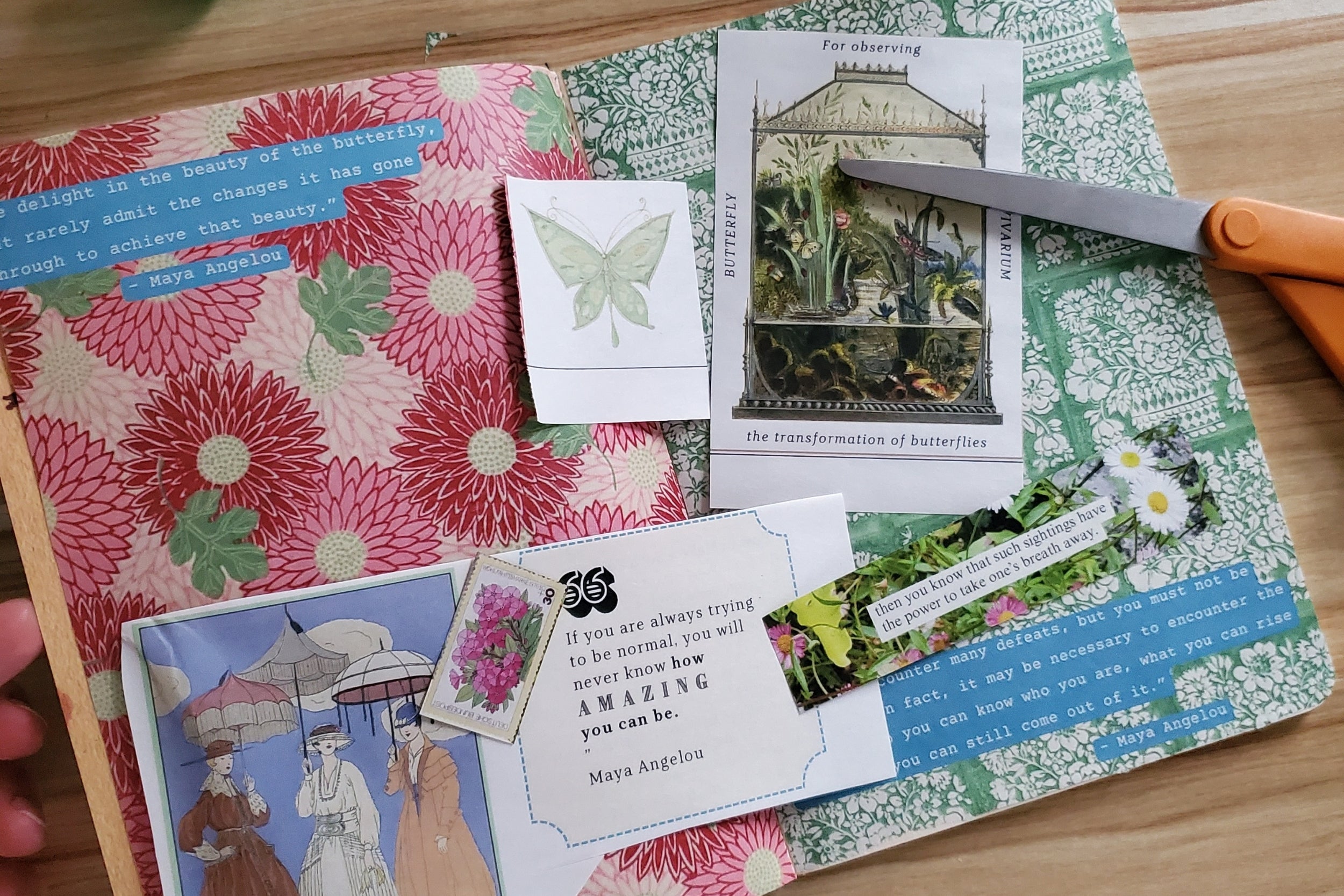
The Rise of Junk Journaling: A Trend for the Young and Creative
In a world dominated by digital screens and fast-paced lifestyles, a growing number of young people are finding solace in a more tactile and reflective practice—junk journaling. This unique form of self-expression involves collecting physical items such as paper receipts, wrappers, and other discarded materials to create collages in personal journals. Far from being just a hobby, junk journaling is becoming a meaningful way for individuals to preserve memories and connect with their experiences in a more tangible manner.
Junk journaling is often described as a modern evolution of scrapbooking, but it has its own distinct identity. Unlike traditional scrapbooking, which typically includes photographs, junk journaling focuses on found objects that represent moments in time. These can range from ticket stubs and pamphlets to takeout bags and even small trinkets collected during travels or daily life. The goal is not to create a perfect visual display but to embrace imperfection and find beauty in the everyday.
Lauren Clark, the founder of Found and Flowered, a company based in Greater Boston that offers collage materials and hosts junk journaling events, explains that this practice is about creating a personal archive of experiences. “A junk journal fills in memories for you,” she says. “You don’t necessarily have to write a whole page about your experience, but it still fulfills the practice of holding onto a special memory.”
The trend has gained significant traction online, especially among Millennials and Gen Z. Social media platforms like Instagram have become hubs for sharing ideas and inspiration, with creators like Martina Calvi offering weekly collage prompts through her book A Year of Junk Journaling. Calvi’s work, along with her 341,000 followers, highlights how this creative outlet can be both educational and therapeutic.
While some purists stick strictly to found items, many participants, including the Maher sisters, incorporate purchased materials such as stickers and collage kits. According to Clark, this blend of repurposed and new items makes the practice more accessible and versatile. “Most people do a nice mix of both,” she notes, emphasizing that there are no strict rules when it comes to junk journaling.
Beyond its artistic appeal, junk journaling also serves as a way to disconnect from the digital world. In an age where constant connectivity is the norm, this hands-on activity encourages people to slow down and engage with their surroundings. Clark believes that the mental health benefits of this practice are significant. “Spending a half an hour doing anything other than being stuck on the phone is proven to be beneficial,” she says.
For many, junk journaling has become more than just a hobby—it’s a form of therapy. Rosemarie Soma, a popular content creator with 54,000 Instagram followers, describes it as a “substitute for therapy.” Her videos showcase how the process of creating collages can help individuals reflect on their lives and emotions.
Community is also a key aspect of junk journaling. Workshops led by Clark bring together people of all ages, from 19 to 60, who share their creations and stories. These gatherings foster a sense of connection and creativity, allowing participants to bond over shared experiences and unique interpretations of the same materials.
Though the term “junk journaling” is relatively new, the concept has roots in earlier practices. Clark recalls that a decade ago, similar activities were known as “smashbooks.” She noticed the trend resurging under its current name around two years ago, with increased visibility on social media and search engines.
According to Google Trends, interest in junk journaling spiked in late December and early January of 2025, with continued growth throughout the year. This surge in popularity reflects a broader cultural shift toward mindfulness, sustainability, and intentional living.
As more people embrace this creative and meaningful practice, junk journaling continues to evolve. Whether through online communities, workshops, or personal collections, it offers a unique way to document life, express individuality, and find joy in the small, discarded things that make up our daily experiences.