A Film of Tension and Memory
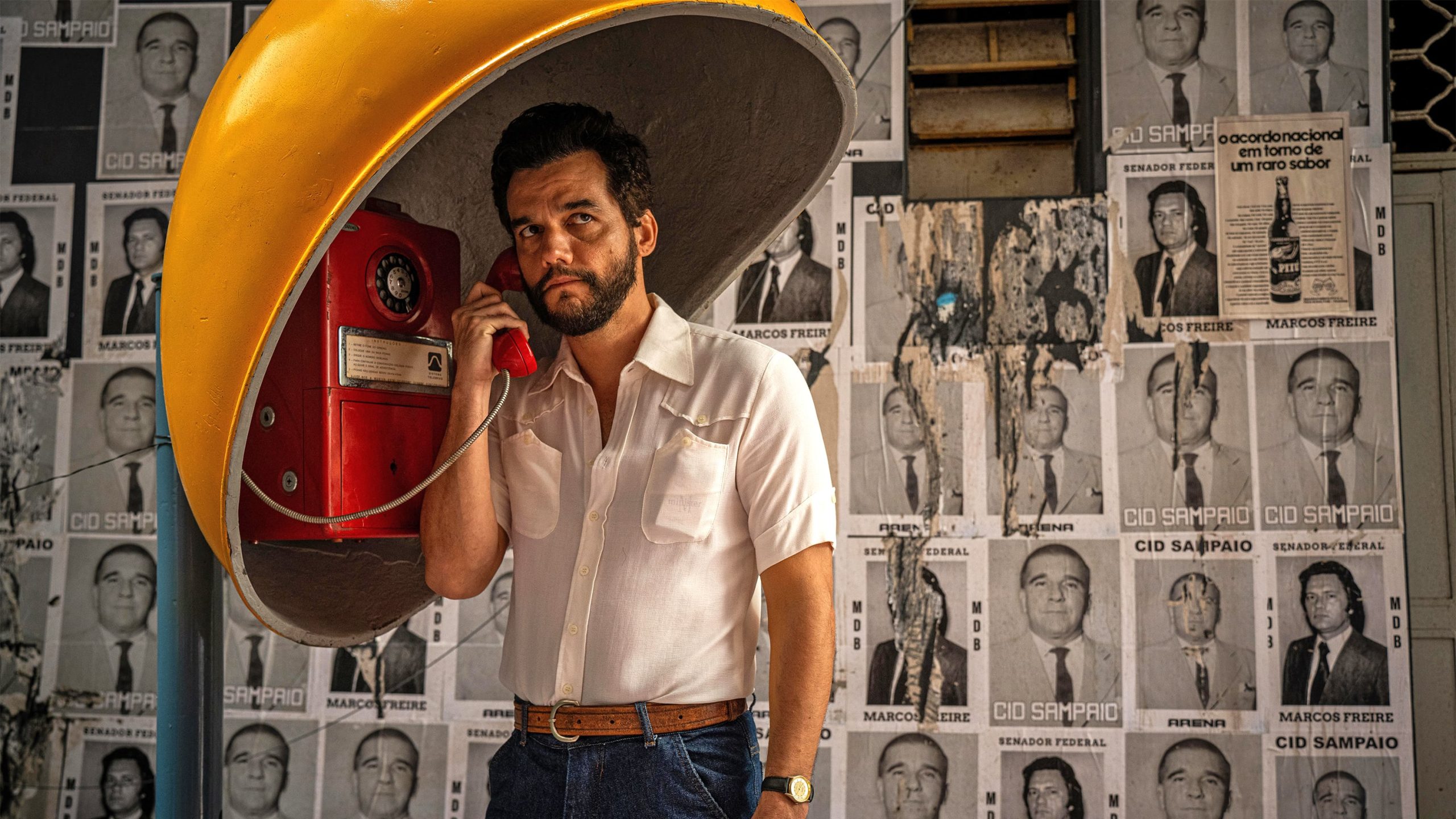
In a remote stretch of Brazil in 1977, a yellow Volkswagen Beetle pulls into a gas station where a dead body lies under a piece of cardboard held down by a rock. The attendant explains that the body has been there since Sunday, a result of a botched theft. He adds that the police have refused to handle it. Moments later, the Highway Patrol arrives, but their interest is not in the corpse. Instead, they focus on the driver of the Beetle, Marcelo, played by Wagner Moura. They search his car but find nothing. However, the tension of the encounter, heightened by the presence of the recently deceased, suggests that something catastrophic is just around the corner.
Marcelo’s return to his hometown of Recife is not for leisure. He is on a mission to reunite with his son, Fernando, portrayed by Enzo Nunes. This journey, however, is complicated by the fact that he is being pursued by shadowy forces. The film, The Secret Agent, which recently screened at the Toronto International Film Festival, delves into the political turmoil of the Brazilian dictatorship, a period marked by the loss of families, love, history, and identity.
Directed by Kleber Mendonça Filho, the film won the Cannes Film Festival’s Best Director and Best Actor prizes. It is a political thriller set in the final years of the Brazilian dictatorship, capturing the horror and oppression of that era. The film is not limited to one genre; it blends suspense with elements of comedy, mystery, and horror, creating a cinematic experience that mirrors the movies it draws inspiration from, particularly the classic Jaws.
A Journey Through Shadows
Mimicking the form and spirit of 1970s blockbusters, The Secret Agent tells a story of community, persecution, and memory. The film follows Marcelo as he travels from the desert to a residential complex owned by Dona Sebastiana, who secretly shelters people fleeing from the authorities. Marcelo takes a job at the state identification archives to remain hidden and to search for his mother’s ID card. This job introduces him to Police Chief Euclides, a corrupt official with a s–t-eating grin and two loyal subordinates.
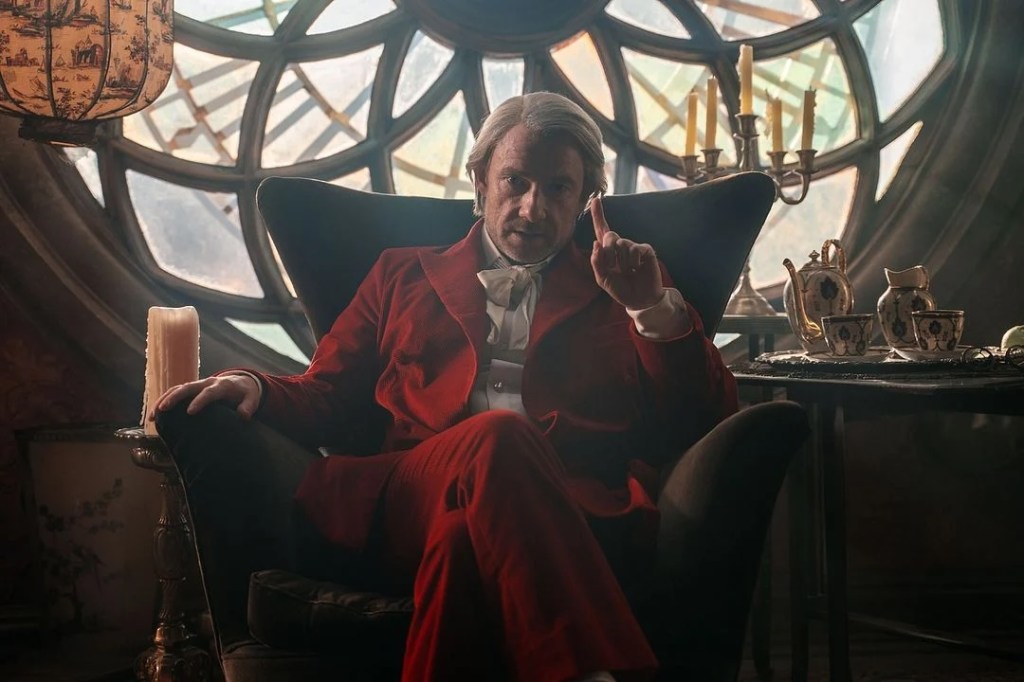
Euclides represents the cruelty and corruption of the regime, even joking about the increasing death toll during carnival. In contrast, the people Marcelo meets through Sebastiana are trustworthy. Among them is Claudia, a single mother and dentist, who gives Marcelo a humorous and sexy dental exam in the bedroom of Sebastiana’s daughter, who was murdered by her fiancé.
Through flashbacks, we learn that Marcelo was once a teacher and head of a university research department. He fell out of favor with a powerful businessman who wanted to shut down the public school. The past and present intertwine in the film, with snippets of present-day researchers listening to covertly recorded tapes of Marcelo and others, such as Elza, who tried to help Marcelo escape Brazil.
A Complex Narrative
The Secret Agent is structured in three chapters, spanning different decades and realities. The narrative is fragmented, with characters using aliases and the story unfolding in pieces. The film balances various tones and modes expertly, creating a compelling and layered experience.
A scene involving a dead shark with a human leg in its belly is paralleled with Jaws, leading to a fictional newspaper story about the appendage slaughtering late-night gay cruisers. This is dramatized in a throwback grindhouse style. Marcelo’s father-in-law, Alexandre, is a projectionist at a movie theater featured in Mendonça’s 2023 documentary Pictures of Ghosts. He helps Marcelo stay close to Fernando while grieving the loss of his daughter.
Two hitmen, Augusto and Bobbi, are on their way to Recife to eliminate Marcelo. Their relationship with Chief Euclides highlights the deep-rooted corruption of the regime. Fathers and (surrogate) sons are central themes in the film, along with instances of oppressive vice and cruelty.
Visual and Emotional Depth
Mendonça uses visual techniques such as split screens, transitional fades, and grainy widescreen imagery to create a warm, sunburnt tactility. The score by Mateus Alves and Tomaz Alves Souza blends old and new elements, enhancing the film’s atmosphere.
As the film progresses, it becomes a hallucinatory vortex of recurring images, sounds, and motifs, all interacting in a dynamic dialogue. Marcelo’s predicament worsens as multiple villains conspire against him, and the film gains further momentum. Moura’s performance, already a poignant portrayal of determination, becomes even more moving. His calm demeanor masks deep desperation, grounding the film in urgent emotion.
The film’s ending refrains from showing a traditional thriller climax, instead focusing on the torment and destruction caused by dictatorships through denial. Despite the despair, the film clings to hope, recognizing that healing and reconstitution are possible through remembrance.