
A Comprehensive Strategy to Improve Children’s Health
The Trump administration has released a report detailing a broad strategy aimed at enhancing children’s health. The document outlines a series of executive actions and policy reforms designed to address the growing prevalence of chronic diseases among young people.
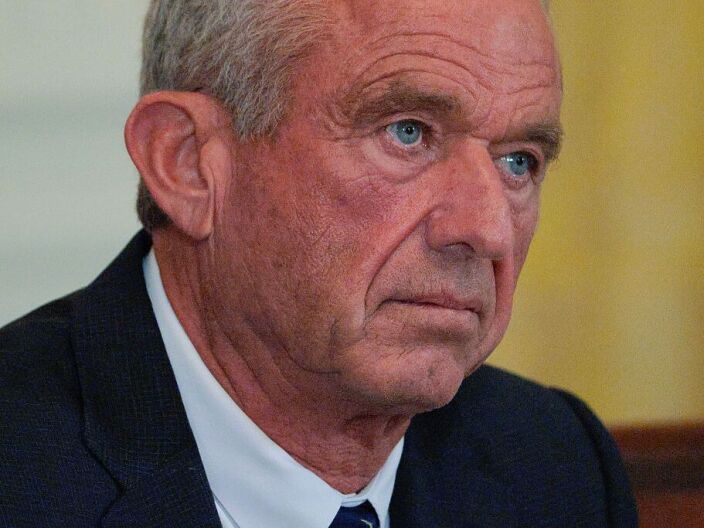
U.S. Health and Human Services Secretary Robert F. Kennedy Jr. emphasized the severity of the issue, calling chronic disease in children an “existential crisis” for the country. He described the report’s 128 recommendations as “historic and unprecedented,” stating that no previous effort had involved all government agencies in such a coordinated manner.
The Make America Healthy Again (MAHA) Commission, led by Kennedy, identified four key factors contributing to the rise in childhood chronic diseases: poor diet, chemical exposure, lack of physical activity, and chronic stress. Another factor highlighted is “overmedicalization,” which refers to the overprescription of medications to children.
While the report has received attention, it has also sparked mixed reactions from public health experts. Many note that its goals conflict with other recent actions taken by the Trump administration, such as cuts to food assistance programs, Medicaid, and scientific research. Additionally, Kennedy’s push for changes in vaccine policy has raised concerns about potential negative impacts on public health.
Eric Mitchell, president of the Alliance to End Hunger, questioned how the administration can promote health if it is reducing access to essential food programs like SNAP. He pointed out that while officials emphasize nutrition, they have supported policies that could push millions off federal food assistance.
Susan Mayne, an epidemiologist at Yale University School of Public Health and former FDA official, agrees that addressing chronic disease is crucial but expressed concern about the lack of concrete steps and resources to implement the report’s recommendations.
Addressing Diet and Exercise Habits
The report highlights that 60% of the calories consumed by U.S. children come from highly processed foods, which often contain excessive salt, refined starch, and sugar. It calls for an educational campaign promoting the government’s updated dietary guidelines. The initiative aims to encourage more consumption of whole foods and less reliance on processed products.
Mayne supports the need for a standard definition of ultra-processed foods but stresses the importance of actionable steps to reduce their consumption. She emphasizes the need for immediate measures to cut down on excess sodium, sugar, and saturated fat in these foods.
The strategy includes new research into nutrition and chronic disease prevention, along with efforts to remove restrictions on whole milk sales in schools. It also proposes helping states limit the purchase of unhealthy items using SNAP benefits.
In addition, the plan addresses the issue of inactivity among children. It calls for partnerships with the President’s Council on Sports, Fitness, and Nutrition to reestablish the Presidential Fitness Test and promote physical activity in after-school programs. An education and awareness initiative on screen time will be led by the surgeon general, although the Trump administration has yet to appoint one.
Lindsey Smith Taillie, a professor of nutrition at UNC Chapel Hill, welcomed the focus on diet and physical activity but criticized the report for lacking meaningful action to address these issues.
Chemical Exposure and Pesticide Regulation
An earlier MAHA report highlighted the risks of chemical exposure, particularly for children, who are more vulnerable to the effects of substances like PFAS, phthalates, bisphenols, microplastics, and agricultural chemicals. The new strategy acknowledges the increasing exposure to synthetic chemicals linked to developmental issues and chronic disease.
Kennedy, known for his environmental advocacy, has spoken against the use of agricultural pesticides and herbicides. During the 2024 presidential campaign, he pledged to ban certain chemicals already restricted in other countries. However, the report calls for minimal changes in pesticide regulation, suggesting a more status-quo approach to evaluating current regulations.
Dr. Philip J. Landrigan, a pediatrician and professor at Boston College, noted that the report lacks specific recommendations for reducing children’s exposure to toxic chemicals beyond food dyes and heavy metals in infant formula.
Vaccine Framework and Controversies
The strategy also calls for the development of a new vaccine framework, potentially involving changes to the recommended vaccine schedule. This move has raised concerns, as Kennedy recently replaced CDC advisory committees with individuals critical of vaccines. The plan also addresses vaccine injuries and mentions “medical freedom,” which could imply greater personal choice in vaccination decisions.
Kennedy’s actions, including the removal of CDC director Susan Monarez and restrictions on COVID vaccine access, have drawn sharp criticism. Sen. Patty Murray called for his immediate dismissal, accusing him of undermining the public health system.
Dr. Susan J. Kressly, president of the American Academy of Pediatrics, stated that the administration’s cuts to Medicaid and SNAP, along with chaotic vaccine policies, are worsening rather than improving children’s health.
A Diverse Set of Proposals
The report contains 128 proposals covering research, policy changes, public awareness campaigns, and public-private partnerships. However, critics argue that it lacks a comprehensive blueprint for improving children’s health. Dr. Landrigan described the report as a disjointed collection of ideas reflecting Kennedy’s priorities rather than a cohesive plan.