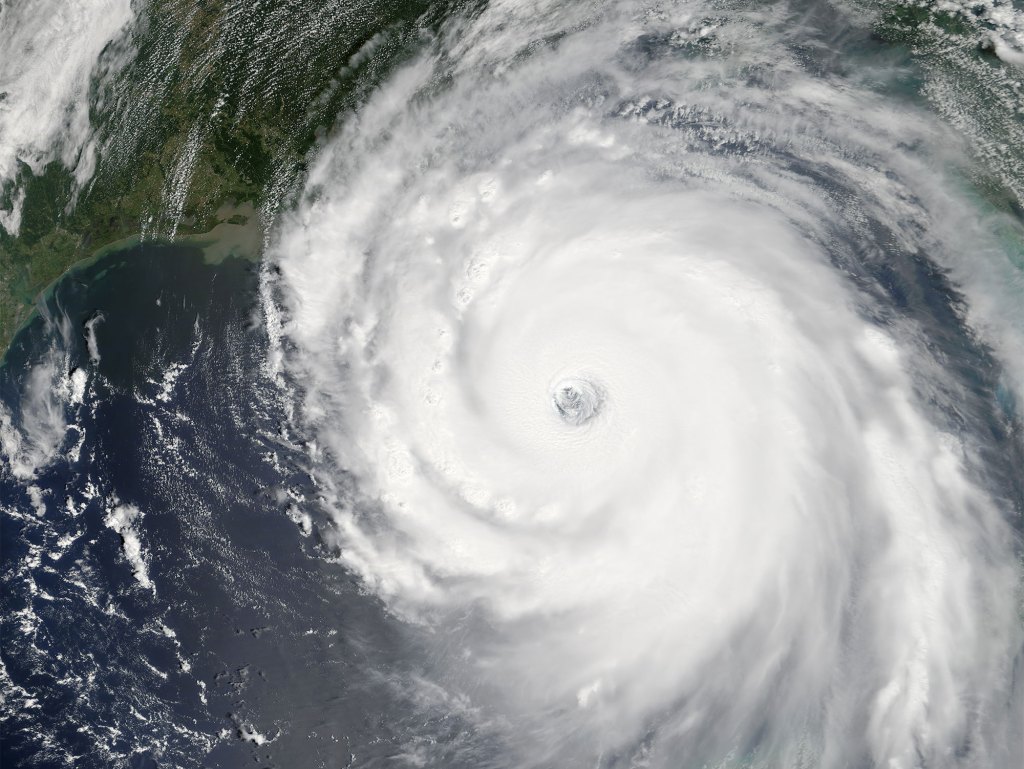
The chilling words echoed through the conference room, a stark premonition delivered years before the devastation of Hurricane Katrina. “We have the body bags ready.” This was the response a plant biologist received after warning government officials about the vulnerabilities of New Orleans’ levee system and the imminent threat to its poorest residents. Her research, focused on wetland ecosystems and levee breaches, painted a grim picture of what could happen if a major storm hit. Tragically, her warnings went unheeded, and the consequences were catastrophic.
The failure of the levee system during Hurricane Katrina exposed a brutal reality: the government, at all levels, failed to protect its most vulnerable citizens. The images of the Superdome, the false narratives surrounding looting, and the aerial shots of people stranded on rooftops are seared into our collective memory. Twenty years later, it’s crucial to examine what lessons have been learned and whether sufficient progress has been made in disaster preparedness and response.
The Erosion of Scientific Safeguards
While advancements have undoubtedly been made in disaster response since 2005, these gains are threatened by the systematic dismantling of science agencies designed to protect the public. Innovations in extreme weather modeling, efficient warning systems, effective evacuation mechanisms, and comprehensive disaster recovery plans are all at risk.
National Oceanic and Atmospheric Administration (NOAA): This agency, foundational to our understanding of extreme weather events, has suffered significant setbacks. Experts in hurricane modeling and tracking have been let go, jeopardizing the accuracy and reliability of forecasts.
National Weather Service (NWS): Vital severe weather watches and warnings, which provide crucial time for people to plan and evacuate, are being undermined. The expertise that powers these life-saving alerts is being eroded.
Center for Public Broadcasting (CPB): Congress recently voted to defund the CPB, which supports public radio stations that broadcast critical weather information, particularly in rural areas with limited access to other information sources. This decision cuts off a vital lifeline for vulnerable communities.
Federal Emergency Management Agency (FEMA): FEMA, designed to help Americans navigate disasters, was merged with the Department of Homeland Security and now suffers from a lack of leadership and expertise.
The Texas Floods: A Grim Warning
The consequences of these decisions were starkly evident in Texas during recent floods. Urgent calls went unanswered, critical funding was inaccessible, and emergency warning systems failed. This tragedy serves as a warning of what could happen on a much larger scale as climate change intensifies extreme weather events.
Reimagining, Resisting, and Standing Together
In the face of these challenges, it’s essential to maintain hope and take action. Even as publicly available climate data and tools are removed from federal websites, limiting evidence-based decision-making, there are ways to resist and reimagine a safer future.
- Data Preservation: Data scientists are working to save and archive tools that the government has attempted to erase.
- Ethical Solidarity: Scientists at the National Institutes of Health and other institutions are issuing powerful statements of ethics and solidarity.
- Citizen Engagement: People are attending town halls and demanding accountability from politicians.
- Peaceful Protest: Demonstrations are taking place in solidarity with vulnerable communities.
- Artistic Expression: Artists are rejecting the attempted erasure of uncomfortable truths about U.S. history and politics.
Young people across the nation are demanding a future they desire and envisioning it into being. It’s crucial to stand up for science, as it can be used to protect everyone, especially the most vulnerable. Twenty years after Hurricane Katrina, it’s time to refuse to be silenced and to demand a reimagined future where science informs policy and protects communities from the devastating impacts of climate change and governmental negligence.