The AI Race: Is Your Phone Falling Behind?
For years, the smartphone wars have been fought on familiar battlegrounds: processor speed, camera quality, and screen resolution. However, a new front has opened: artificial intelligence. While both Apple and Google are investing heavily in AI, early signs suggest that Google is pulling ahead in integrating truly useful AI features into the core smartphone experience.
A recent demonstration highlighted the growing gap. While one phone could effortlessly answer a complex, personalized question about a past meeting, the other faltered. This illustrates a fundamental shift: AI is no longer a collection of gimmicky add-ons, but a key differentiator in how we interact with our devices.
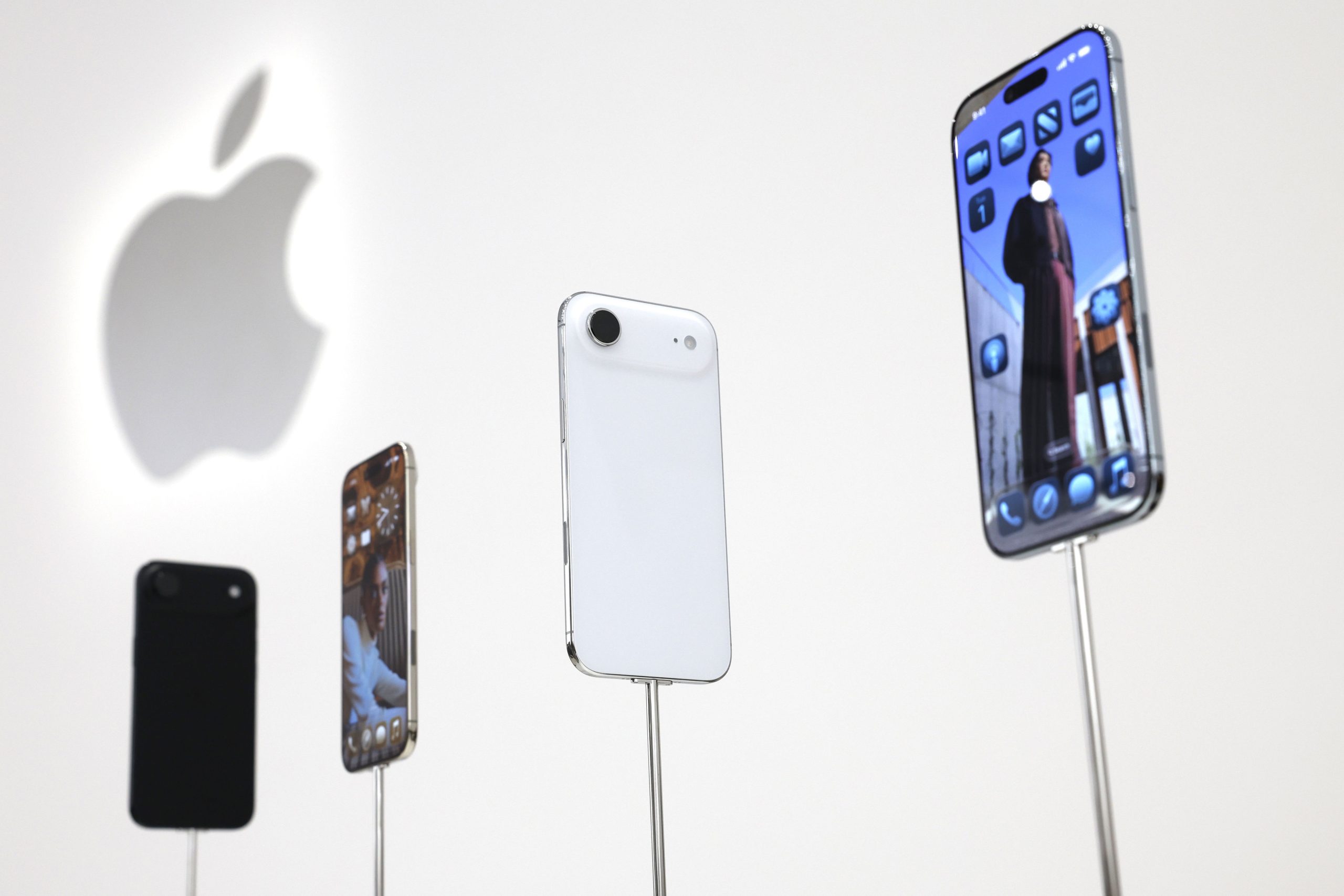
While the latest iPhone boasts improvements in areas like speed, durability, and camera technology, its AI capabilities appear to lag behind its competitors. This raises the question: is Apple falling behind in the AI race?
AI’s Impact on Smartphones: Three Key Areas
AI is transforming the smartphone experience in three critical areas: personalization, proactivity, and voice interaction.
1. Personalized AI: Your Phone as a Personal Assistant
Imagine your phone acting as a true extension of your memory, effortlessly retrieving information from your emails, chats, and calendar. This is the promise of personalized AI.
One company has made significant strides in this area, integrating its AI assistant with personal information. By granting access to Gmail, Google Calendar, and other services, users can ask complex questions and receive surprisingly accurate and relevant answers. For example, asking “When was my last haircut?” prompts the AI to search your calendar and provide the date. This level of personalization extends to chained commands, such as “Get directions home and share the ETA with [contact name].”
However, this personalization isn’t without its limitations. The AI’s responses can be inconsistent, and it struggles with tasks outside its pre-programmed capabilities. Furthermore, integration with third-party apps like Microsoft Outlook and Slack is still in development.
Meanwhile, efforts toward AI personalization have faced delays. The initial vision involved the phone’s AI tracking your activities to make the assistant smarter, all while preserving privacy. However, these core elements have been postponed due to failing to meet quality standards, with a revised release expected sometime in 2026. Until then, the promised features remain theoretical.
2. Proactive AI: Anticipating Your Needs
Beyond answering questions, AI can proactively offer assistance based on your current activity.
One example is a feature that analyzes your chats and identifies relevant information, such as dates and times. When a friend asks, “What time is dinner tonight?”, the phone automatically displays the details, allowing you to send them with a single tap.
This proactive assistance extends to other areas, such as providing frequent flyer numbers when someone asks or displaying weather information when you’re about to travel. The AI processes data locally on the phone, ensuring privacy.
While promising, the range of situations where this proactive AI kicks in and the data it draws on are currently limited. The developers are focusing on addressing specific pain points and gathering data to expand its capabilities.
The closest equivalent on another phone is a feature that suggests actions based on your phone usage, such as adding people to an email. However, this lacks the depth and context-awareness of AI that can access personal information and understand your current activity.
3. Reinventing Voice Chats: Natural and Immersive Conversations
Traditional AI voice assistants often lead to frustrating and stilted interactions. However, some companies are reimagining voice interaction as a natural, conversational experience.
One approach involves a “Live” mode that allows for back-and-forth conversations with the AI, even allowing you to interrupt it. Taking this a step further, a video mode enables the AI to see through your phone’s camera and chat with you as you walk around. This creates a more immersive and engaging experience, transforming the AI into a helpful companion for exploration and information retrieval.
This “Live” mode can also access your phone’s screen, providing assistance and information based on what you’re viewing. However, it’s important to note that this is a separate system from standard voice chats and may not have access to the same personal information or apps.
While strides have been made in improving the understanding of conversational language, there’s currently no direct equivalent to the live voice back-and-forth chat. A new feature can analyze images and screenshots to provide information, but it lacks the real-time interaction of a video chat.
The Future of AI on Smartphones
AI is rapidly evolving and its impact on smartphones will only continue to grow. As AI becomes more personalized, proactive, and conversational, it will transform the way we interact with our devices and manage our lives. While both Apple and Google are investing heavily in AI, Google appears to have an early lead in integrating truly useful AI features into the core smartphone experience. Whether Apple can catch up remains to be seen, but the AI race is on, and the winner will likely be the company that can deliver the most intelligent and intuitive smartphone experience.