A Quiet September in the Atlantic Hurricane Season
The Atlantic hurricane season typically reaches its peak in September, but this year has taken an unexpected turn. The basin is currently experiencing a period of calm that could extend for several days. This unusual lull has caught many by surprise, especially given that mid-September is historically the most active time of the year.
Monitoring the Basin
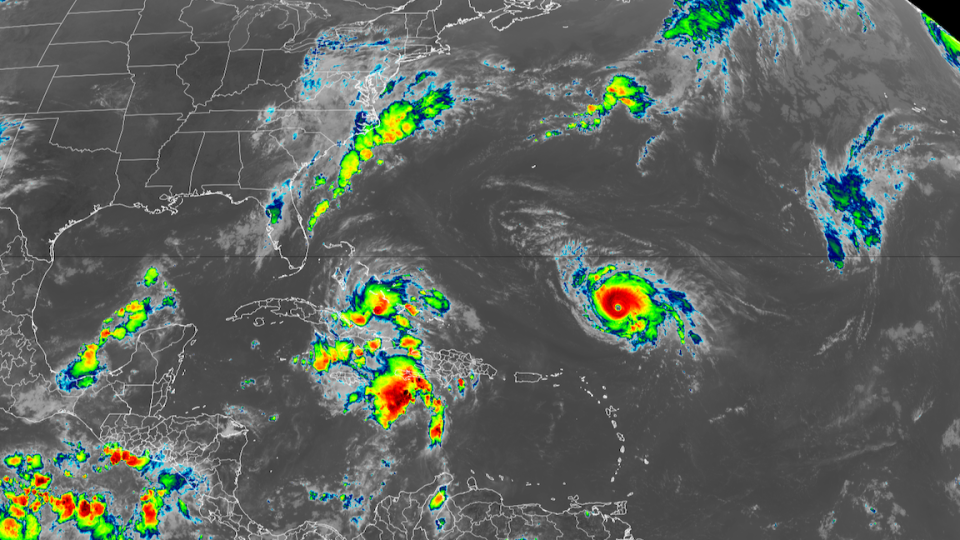
The National Hurricane Center (NHC) continuously monitors areas of the Atlantic Basin for potential tropical development. A map showing these monitored regions and current satellite imagery highlights the current state of the season. On Wednesday morning, which is usually the peak day of hurricane season, the map was completely blank. By the afternoon, however, an area of interest was identified in the far eastern Atlantic, which may develop over the next week.
Historical Context
Historically, mid-September has been the busiest time of the hurricane season. Since World War II, the NHC has noted that the most active storms typically occur during this period. According to calculations, September 10 is considered the peak of the season. This month usually provides the best conditions for hurricanes to form across the largest portion of the Atlantic Basin.
An Unusual Lull
This year, however, the NHC’s outlook map on September 10 showed no active storms or areas with potential for development. This marks the first time since 2003 that there have been no active storms on this date. It also marks the first time since 2016 that there was no active storm on September 10.
In previous years, the activity has been much more intense. For example, one year ago, we were tracking Hurricane Francine approaching the Gulf Coast, along with other systems. Five years ago, five tropical systems were active at once, an occurrence that had only happened once before since 1971.
Why Is the Basin So Quiet?
According to the Colorado State University tropical forecast team led by Phil Klotzbach, several factors are contributing to the current quiet period. One major factor is the presence of dry, stable air in the Main Development Region between Africa and the Lesser Antilles. This dry air hinders the formation of thunderstorms, which are essential for tropical storm development.
Additionally, there are areas of wind shear in the southwest, central, and eastern Atlantic, as well as the Gulf. Wind shear can disrupt the formation of thunderstorms around low-pressure systems, preventing them from organizing into tropical storms.
Slow Pace of the Season
It has been 13 days since the last tropical storm, Fernand, and the 2025 hurricane season is now behind the average pace. Through the week of September 7, the season is about two storms and two hurricanes behind schedule. Using the Accumulated Cyclone Energy (ACE) index, which measures both the intensity and duration of storms, 2025 is about 30% slower than average.
So far, the season’s only hurricane, Erin, avoided landfall but caused flooding in the Leeward Islands and coastal issues along the East Coast. Erin accounted for 82% of the season’s ACE index. Other systems included three “fish storms” in the central Atlantic and two that triggered inland flooding, such as Barry in Texas and Chantal in the Carolinas and Virginia.
Potential for Future Activity
Despite the current lull, there is still a lot of the hurricane season left. In an average season, six additional storms, including four hurricanes, form from mid-September through November. Over half of the season’s activity remains ahead, and it can develop quickly, especially near the U.S. and Caribbean.
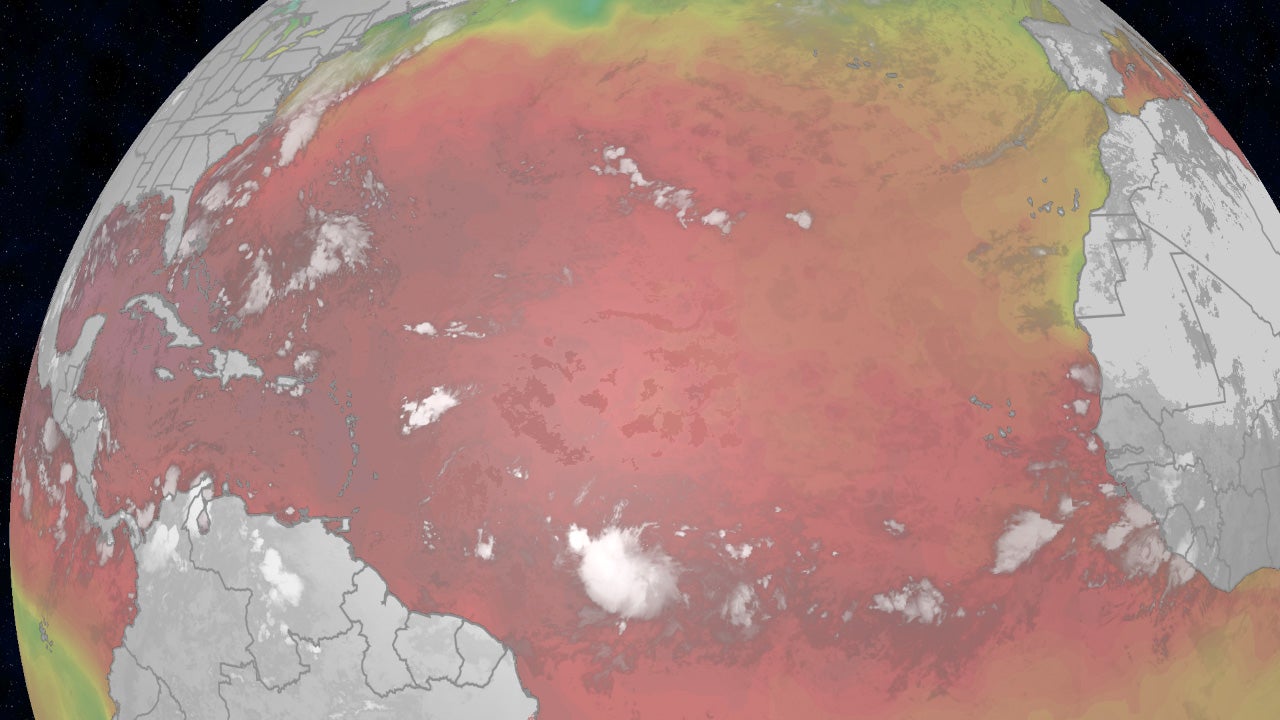
Currently, Gulf water temperatures are record warm, and the Caribbean Sea is also near record warmth. These conditions could lead to rapid development of future systems.
A Cautionary Tale
Three years ago, August saw no storms, marking the first “0 for August” in the Atlantic Basin in 25 years. However, the season quickly picked up speed, with 11 storms forming from September through November, including eight of the season’s nine hurricanes. This included powerful storms like Hurricanes Ian and Nicole in Florida, and Fiona in Puerto Rico and the Caribbean.
This history serves as a reminder that even during periods of calm, it’s important to remain prepared for the potential of sudden and intense hurricane activity.