The Evolution of the Electric Vehicle Market
The automotive industry has undergone a significant transformation, and Tesla has played a pivotal role in this shift. What began as a small startup in California has evolved into a global leader in electric vehicles (EVs), setting new standards for performance, design, and innovation. However, the electric vehicle landscape is no longer dominated by Tesla alone. A growing number of competitors are stepping up to the plate, each bringing unique strengths and innovations to the market.
Understanding True Tesla Competitors
To be considered a real competitor to Tesla, a company must offer more than just an electric vehicle. It needs to deliver on several key aspects: range that supports long-distance travel, performance that excites drivers, technology that enhances the driving experience, and build quality that justifies the price. These factors define what it means to be a true Tesla competitor.
Rivian: The Outdoor Enthusiast’s Choice
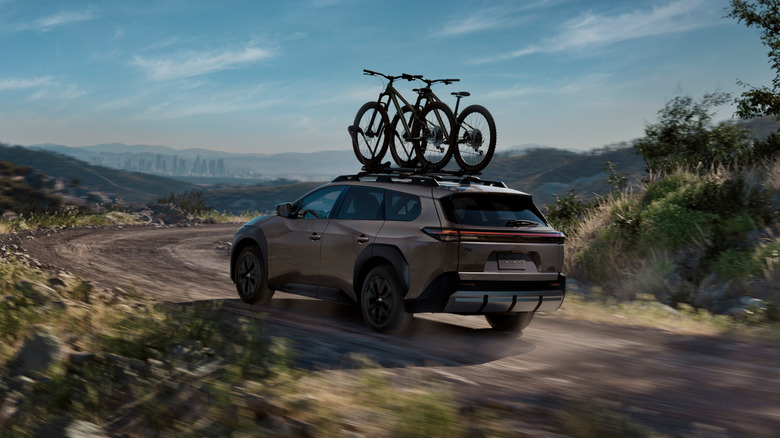
Rivian has carved out a niche in the EV market by focusing on adventure and outdoor capabilities. Founded by R.J. Scaringe in 2009, the company spent over a decade developing the R1T pickup and R1S SUV. These vehicles offer impressive specs, including a range of over 400 miles, 0-60 acceleration in 3.0 seconds, and towing capacity of 11,000 pounds.
What sets Rivian apart is its focus on outdoor functionality. Features like “Camp Mode” allow the truck to power a campsite for days, while the front trunk can double as a cooler. Rivian’s commitment to outdoor charging infrastructure further distinguishes it from other EV manufacturers.
Lucid Motors: Technology Showcase
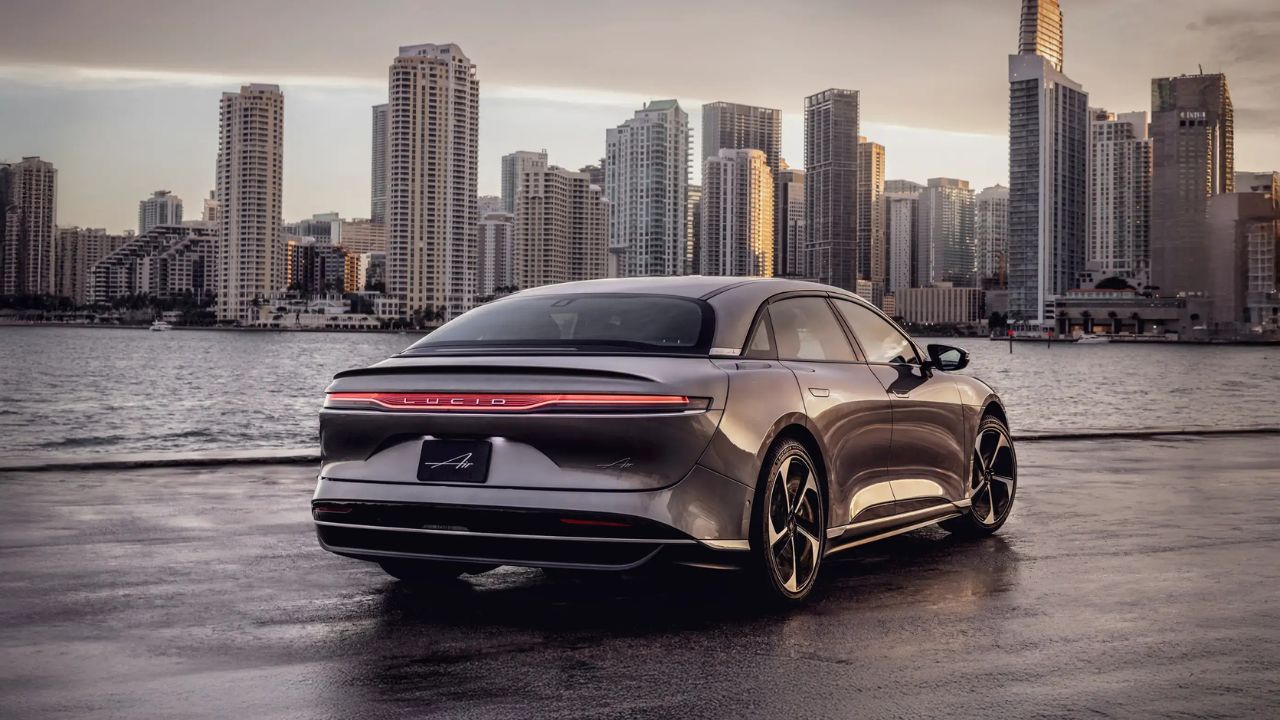
Lucid Motors has positioned itself as a leader in technological innovation. CEO Peter Rawlinson, a former Tesla engineer, aims to create the most advanced electric car ever made. The Lucid Air Dream Edition Range offers an EPA-rated range of 516 miles, significantly surpassing Tesla’s longest-range Model S.
Lucid’s engineering achievements include motors that produce 670 horsepower while weighing just 74 pounds each. The company also boasts a 900-volt electrical architecture that enables 300kW charging speeds. Lucid’s luxury interior features a 34-inch curved 5K display, massage seats, and a glass canopy roof, making it a strong contender in the luxury EV segment.
Ford: Detroit’s Electric Awakening
Ford has made a strong statement in the EV market with the F-150 Lightning. This electric version of America’s best-selling truck retains its core attributes while adding innovative features like Intelligent Backup Power, which can power a home during outages.
Performance specs are equally impressive, with 563 horsepower, 775 lb-ft of torque, and a 0-60 time of 4.0 seconds. Ford’s investment in EV infrastructure includes two battery plants in Kentucky and Tennessee, with plans to produce 500,000 trucks annually by 2025.
Volkswagen Group: A Comprehensive Approach
Volkswagen has committed $100 billion through 2030 to electrification, making it one of the largest investments in automotive history. Their MEB platform underpins multiple models across various brands, including the Porsche Taycan Turbo S, which delivers 750 horsepower and 270 miles of range.
Audi’s e-tron GT and Volkswagen’s ID.4 also showcase the group’s commitment to electric mobility. The ID.4 targets the mainstream market with a starting price under $40,000, making it accessible to a broader audience.
BYD: A Global Leader
BYD, a Chinese company, has surpassed Tesla in global sales, delivering 1.86 million electric and plug-in hybrid vehicles in 2022. Warren Buffett’s early investment in BYD has proven to be a wise move, with the stake now worth over $7 billion.
BYD’s Blade Battery technology offers enhanced safety and cost-effectiveness. Models like the Han sedan and Atto 3 compact SUV provide impressive range and affordability, making them popular choices in the Chinese market.
Hyundai Motor Group: From Budget to Innovation
Hyundai’s transformation into an EV innovator has been remarkable. The Ioniq 5 won World Car of the Year 2022, showcasing its design and performance. Built on the E-GMP platform, the Ioniq 5 offers fast charging and a range of 303 miles.
Kia’s EV6 and Genesis’ upcoming models further highlight Hyundai’s commitment to electric mobility. The company’s investment in U.S. manufacturing includes a dedicated EV plant in Georgia, set to produce 300,000 vehicles annually starting in 2025.
The Future of Electric Vehicles
The electric revolution is here, and it’s more vibrant than ever. Tesla’s influence has pushed competitors to innovate, resulting in a diverse array of options for consumers. From luxury sedans that outperform supercars to pickup trucks that power homes, the EV market offers something for everyone.
Competition drives progress, benefiting both consumers and the industry. As battery costs decrease and charging infrastructure expands, the future of electric vehicles looks promising. For car enthusiasts, the excitement of electric mobility is just beginning.