
The Push to Protect Teen Workers from Tobacco Farm Labor
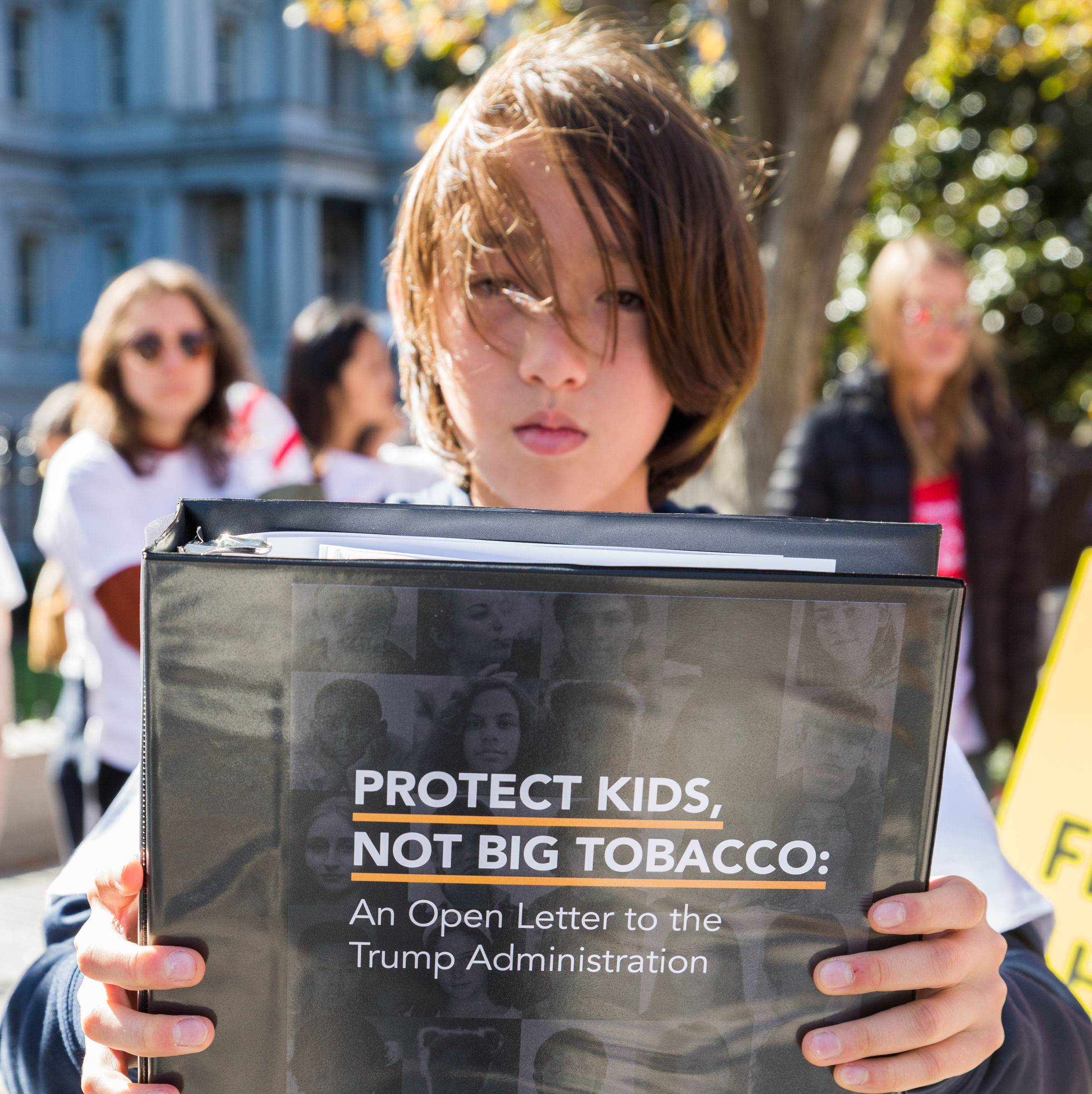
U.S. Senator Edward Markey, a Democrat representing Massachusetts, recently joined as a co-sponsor of a bill that would prohibit anyone under 18 from working on tobacco farms. This move comes as part of a broader effort by lawmakers in the region to address concerns about the safety and well-being of young workers in the agricultural industry. The legislation has gained support from several other regional legislators, signaling a growing awareness of the risks associated with youth labor in tobacco farming.
The shift in the region’s tobacco industry is notable. Decades ago, working on tobacco farms was a common summer job for local teens. They were involved in tasks such as harvesting leaves and stringing them up in barns. However, over time, the number of young people working on these farms has significantly declined. Today, only a handful of teenagers are employed, raising questions among some farmers about the necessity of the proposed legislation.
In May, U.S. Senator Dick Durbin, a Democrat from Illinois, reintroduced legislation aimed at revising the Fair Labor Standards Act. The proposal seeks to classify working with tobacco plants as an oppressive form of child labor due to the health risks associated with nicotine exposure. According to Durbin, contact with tobacco plants can lead to symptoms such as dizziness, headaches, nausea, and vomiting—signs of nicotine poisoning. He referenced a Human Rights Watch study from a decade ago, which highlighted the harsh conditions faced by teenage workers in North Carolina, including long hours, pesticide exposure, and physically demanding work.
While some tobacco companies have stated they will only hire workers aged 16 or older, Durbin noted that researchers found teens younger than that still working in the fields. The bill aims to ensure that all workers, regardless of age, are protected from the dangers of tobacco farm labor.
Senator Richard Blumenthal, another Democrat from Connecticut, has also supported the legislation. In a recent statement, he emphasized that the bill would not only improve the health and safety of teens but also enhance their dignity. Blumenthal pointed out that current child labor laws in the agricultural industry do not adequately protect children from hazardous, low-paying jobs that can negatively impact their development.
Over the years, local lawmakers have taken steps to address this issue. Blumenthal signed a letter in 2023 urging the Biden administration to change regulations to prevent teens from working in tobacco fields. Markey had previously supported an earlier version of the bill. A House version of the legislation is currently co-sponsored by 53 Democrats, including several Massachusetts representatives.
Despite the growing support, both versions of the bill have been referred to committees, where no further action has been taken since May. The lack of progress raises questions about the effectiveness of the legislative process in addressing these concerns.
According to the U.S. Department of Agriculture (USDA) census released in 2024, Massachusetts farmers produced $3.3 million worth of tobacco in 2022. The industry consisted of approximately 31 farms, mostly located in Hampden County. In Connecticut, about 44 farms, primarily in Hartford County, generated $25.9 million worth of tobacco, making it the fifth most productive state for tobacco in the country.
Changing Workforce Dynamics
Today, most workers on Connecticut Valley tobacco farms come from countries like Jamaica. Dwight Arnold, who owns a farm in Southwick, explained that the cost of living in Jamaica allows workers to travel to the U.S., work for four to five months at a federal minimum wage of $18.83 per hour, and live off their earnings for the rest of the year. While Arnold has faced challenges in hiring through the H-2A temporary agricultural worker program, he reported that the last few years have been relatively smooth.
This year, Arnold hired only 10 local teens. He described the job as a good first opportunity, where youth are paid the same rate as temporary agricultural workers. Arnold noted that teenagers often excel at operating the stringing machine, suggesting that “kids just seem to have a knack for it.”
Duane Adams, a docent at the Connecticut Valley Tobacco Museum in Windsor, shared his own experiences growing up in the area. He began working on tobacco farms at age 14, earning 61 cents an hour. For many, working on tobacco farms was a rite of passage, as it was one of the few available summer jobs. Adams worked 46 summers in the industry, using his earnings to buy a typewriter and eventually fund his college education.
Over the decades, the culture around tobacco farming has changed. Parents, often both working, now fill their children’s summers with activities like soccer camps, scouting, and swimming lessons. As a result, fewer teens are interested in working on tobacco farms. Adams noted that while the work was once a learning experience, it has become less appealing to today’s youth.
He also observed that farmers have shifted from shade tobacco, which is typically harvested in July and August, to broadleaf tobacco, which is more physically demanding and harvested when students are back in school. This shift has further reduced the number of young workers in the industry.
Adams expressed skepticism about the proposed legislation, calling it “a day late and a dollar short.” He argued that while teens may have lost interest in tobacco farming, the changes in the industry have already made it less appealing. Despite the risks, he maintained that working on tobacco farms was once a valuable experience that taught young people the value of hard work and earning money.