
Your oven is equipped with numerous buttons and icons that you’ll likely never use, but many people simply turn the dial to the same few settings each time. As a result, they often end up with burnt cookies or soggy pizza crusts. These small symbols exist for a purpose, and each one serves a specific cooking requirement.
The most frequently used oven settings
It is advantageous to understand the different symbols, as contemporary ovens provide options for various cooking techniques and food types. Below are the most typical functions and how to utilize them.
Traditional heating (two horizontal lines)

You’ll recognize this symbol as two horizontal lines, one positioned at the top and the other at the bottom of a square. This design reflects traditional ovens that have heating elements both above and below the food. Both elements function simultaneously, delivering consistent heat throughout.
This configuration is perfect for conventional baking, including items like cakes, cookies, and bread. It performs optimally when using a single rack, delivering the mild and uniform heat that most baked items need.
Fan-forced/convection (fan symbol)

The emblem representing a fan, typically found within a circle or square, signifies that the fan distributes warm air across the oven’s interior. This results in a more uniform heat distribution and quicker cooking processes.
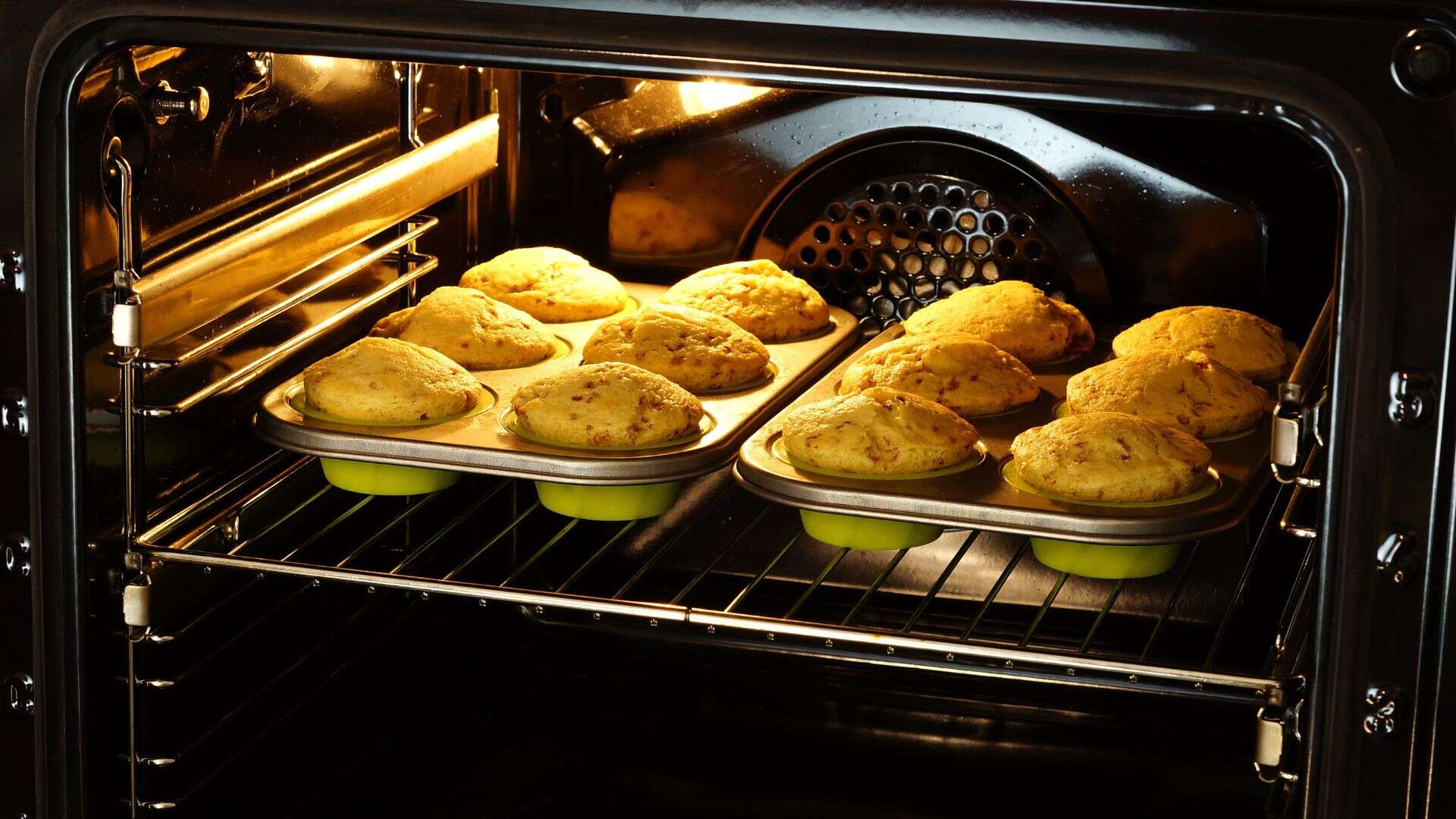
Fan-assisted cooking performs exceptionally well for roasting meals, baking several trays of cookies, and warming up leftovers. The circulating air ensures even coverage in all areas, allowing you to utilize multiple racks without concern for inconsistent cooking. It’s the ultimate in multi-tasking.
Bottom heat exclusively (single line at the bottom)

This emblem displays a single horizontal line at the base of the square, signaling that only the lower heating element is operational.
This configuration is ideal for creating crunchy crusts on pizzas, pies, and pastries. It’s also great for simmering casseroles and stews that require a consistent, low heat from underneath.
If you have difficulty with undercooked pizza crusts, this could be one of the issues. Understand this setting, and you’ll consistently achieve a crispy outcome, regardless of what you prepare.
Grill or broil (zigzag line at the top)

The wavy line at the top indicates the broiling feature. This setting produces high heat from above, ideal for achieving golden tops and crispy surfaces. Certain ovens provide either a full-width broil (long wavy line) or a centered broil (short wavy line).
The grill or broil setting is ideal for browning gratins, melting cheese, toasting bread, or achieving a crispy exterior on meat. Make sure the oven door remains closed while using this feature (unless the instruction manual specifically states otherwise for grilling).
Since this function produces high heat from above, food can transition from perfectly golden to burnt in a matter of seconds. Keep an eye on the temperature while using this setting to prevent burning.
Fan and grill combined (fan with a zigzag above)

This emblem features a fan along with the zigzag grill pattern. The configuration utilizes the fan’s warm air and the direct heat from the grill simultaneously. It is perfect for thick portions of meat or when you desire a golden crust on your dish.
Standard grilling frequently chars food before it is fully cooked, and this alternative addresses that issue by balancing the heat while maintaining the desired browning effect.
Fan with heat at the bottom (fan with a line below)

This emblem features a fan with a horizontal line at the lower part, merging air movement with focused heat from below. This setting is perfect for dishes requiring a crunchy base and uniformly cooked top, like freshly made pizza.
Many individuals face challenges when baking pizza and pastries due to a lack of knowledge about this specific setting. As a result, they often encounter either wet bottoms or overcooked tops. This feature allows the base and ingredients to cook uniformly without getting charred.
The supporter versus the traditional temperature
Here’s what most people misunderstand:
Ovens equipped with a convection fan feature an internal fan that evenly distributes hot air throughout the oven’s interior. This enhances heat distribution in comparison to traditional (non-convection) ovens, where heat tends to rise and results in uneven temperature zones. Due to the improved heat transfer, food generally cooks quicker and more uniformly in a convection oven.
As a result, recipes often suggest reducing the temperature by approximately 20°C (about 50°F) when using a fan oven compared to a regular one. For instance:
- Conventional oven: 350°F (180°C)
- Fan oven: 300°F (160°C)
This modification helps avoid the food becoming overdone or losing moisture. It is especially important in baking recipes, where a 20°C (50°F) variation can make a big difference. Always review what the recipe developer suggests for oven temperature and either adhere to it or modify it based on the advice provided above.
Less Frequently Used but Practical Features
Not all ovens include these options, but for those that do, it can simplify the process of cooking or baking.
Defrost (snowflake symbol)
The snowflake emblem utilizes the fan function without heat to defrost frozen items safely. Air movement ensures uniform thawing without initiating the cooking process. It is kinder than a microwave and more dependable than letting items sit on the counter.
Stay warm (low heat setting)
This function maintains food at the ideal serving temperature without causing it to become overdone. It’s ideal for keeping side dishes hot while you complete the main dish.
Slow cook (pot symbol)
This method employs minimal heat for prolonged durations, akin to a slow cooker. It is well-suited for tougher meat cuts that require extended, mild cooking to achieve tenderness.
Self-cleaning (dots or “P” indicator)
Those periods or the letter “P” signifypyrolytic cleaningThe oven reaches approximately 932°F (500°C), converting food remnants into ash that can be easily wiped off.
Top 10 Oven Errors (And Tips to Prevent Them)
Even with the right configurations, individuals frequently commit basic errors that can negatively impact their outcomes. Some of these typical mistakes are:
Not preheating properly
Electric ovens require a minimum of 10 minutes to achieve the desired heat level. It’s recommended to allow an additional 5-10 minutes for the temperature to stabilize before placing food inside. Not preheating the oven can greatly affect the outcome, particularly when baking desserts.
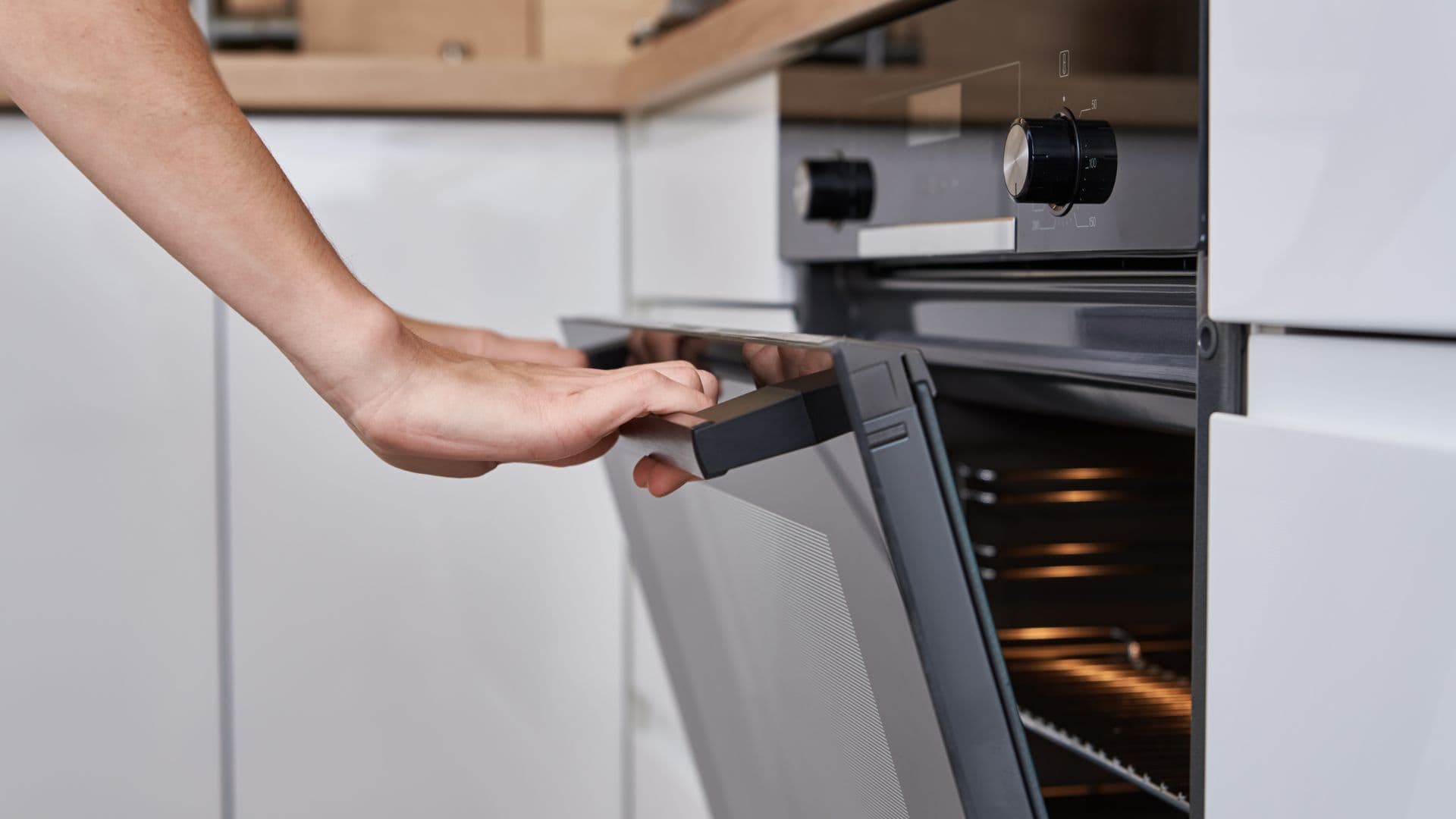
Opening the door too frequently
Each time you open the door, you lose a considerable amount of internal heat, causing your oven to work harder to regain it. If you’re using the proper settings, there’s no reason to repeatedly open the door. Open it less frequently, and your food or baked goods will turn out perfectly!
Putting the item in the incorrect shelf location
Using an incorrect rack can impact your dish. It’s essential to know your food and where to place it in the oven. Most recipes perform well when the pan is positioned in the center. However, if you need something to brown, it should typically be placed on the top rack. Likewise, if you desire a crispy bottom, the bottom rack is the best choice.
Wrong oven settings
Not every oven is identical! What functions well for one oven might not be suitable for another. Always check the manufacturer’s instruction manual before cooking and baking, as it outlines the optimal settings for preparing specific dishes with the oven.
Overcrowding
If several dishes are placed in the oven simultaneously, airflow is limited. This results in inconsistent cooking and extended preparation time. Avoid adding multiple items at the same time, as it can affect the temperature, and the food might not turn out as desired.
Suggestions for Improved Oven Usage
Here are several suggestions to assist you in utilizing your oven more effectively and ensuring your dishes are cooked or your pastries are baked to excellence.
Know your oven:Not every oven is identical. Prior to cooking or baking in the oven, ensure you review the manual and the temperature settings. This will enable you to fully comprehend your oven, allowing you to prepare more delicious dishes.
Use the light:The oven’s light serves a purpose. Rather than opening the door and losing heat, look at your food through the window. Even a quick peek at the door can lower the temperature, typically resulting in inconsistent cooking.
Consider your cookware:The type of pan you use can impact the outcome just as much as the temperature. Dark pans absorb more heat and cook food quicker, whereas glass dishes retain heat for a longer period compared to metal ones. Understanding your cooking or baking tools allows you to modify cooking times to prevent undercooked interiors or overdone edges.
Clean regularly:It is essential to maintain a clean oven to ensure it functions effectively. Accumulated grease and leftover food particles can lead to smoking, hinder proper heat distribution, and affect the flavor of your meals. You can easily wipe the oven after a few uses and perform a thorough cleaning every three months.
The oven is typically the most essential appliance in the kitchen. Knowing its complete features leads to improved meals, reduced stress, and increased self-assurance in cooking. Discover the symbols since they are designed to assist in achieving the desired outcomes consistently.
The post How your oven works – and why you might be using it incorrectly appeared first on Spatula Desserts.