
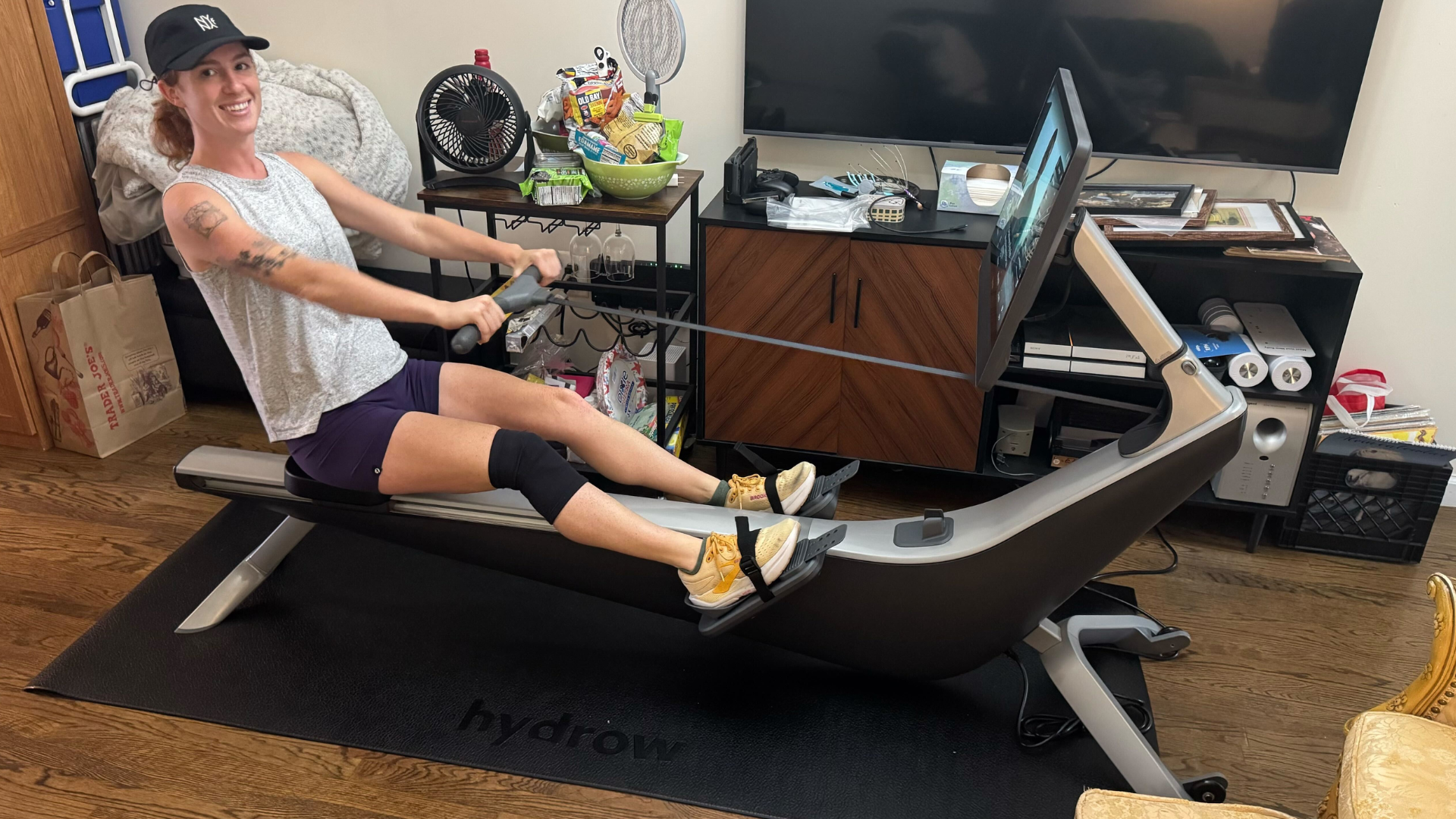
Build Quality and Design
The Arc is a machine that exudes premium quality. From the moment you lay eyes on it, you can tell it’s built to last. Unlike typical gym rowers, which often feel like afterthoughts, the Arc feels like a high-end piece of equipment. Every detail, from the sleek frame to the precision of its moving parts, speaks volumes about its craftsmanship. It’s clear this machine is designed for serious use.
The 24-inch pivoting HD touchscreen is the centerpiece of the Arc. It’s bright, responsive, and large enough to make you feel like you’re actually out on the water with the instructors. This is Hydrow’s largest screen yet, and the difference is immediately noticeable when you’re trying to follow form cues or simply enjoy the scenery. The sound system, supposedly upgraded from previous models, adds to the experience by delivering crisp audio without the need for external speakers.
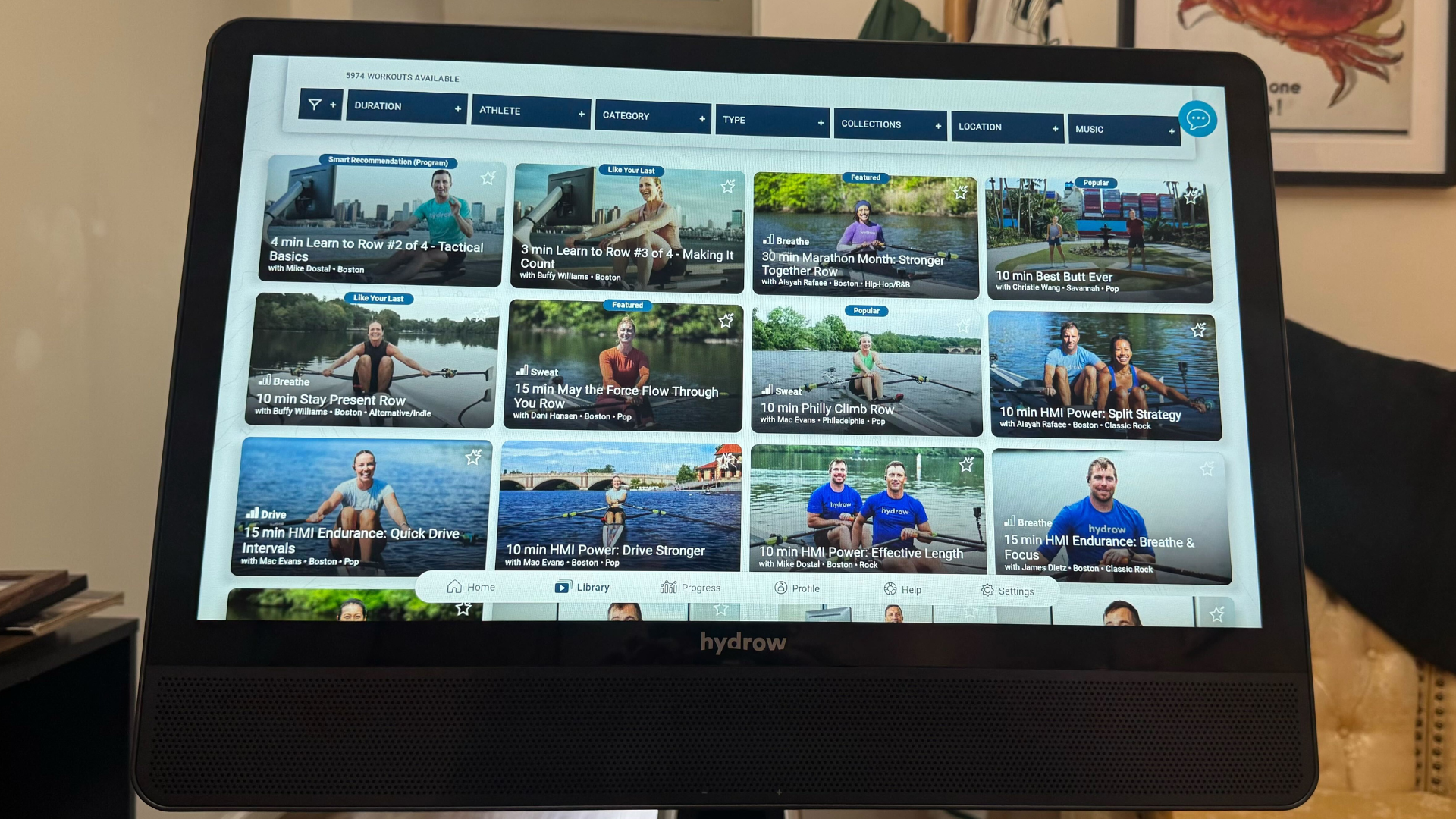
At 86 inches long, 25 inches wide, and 48 inches high, and weighing 147 pounds, the Arc is a seriously large piece of equipment—hardly something you can casually tuck in a corner or slide under your bed. While there is an option for vertical storage, the machine generally demands its own space.
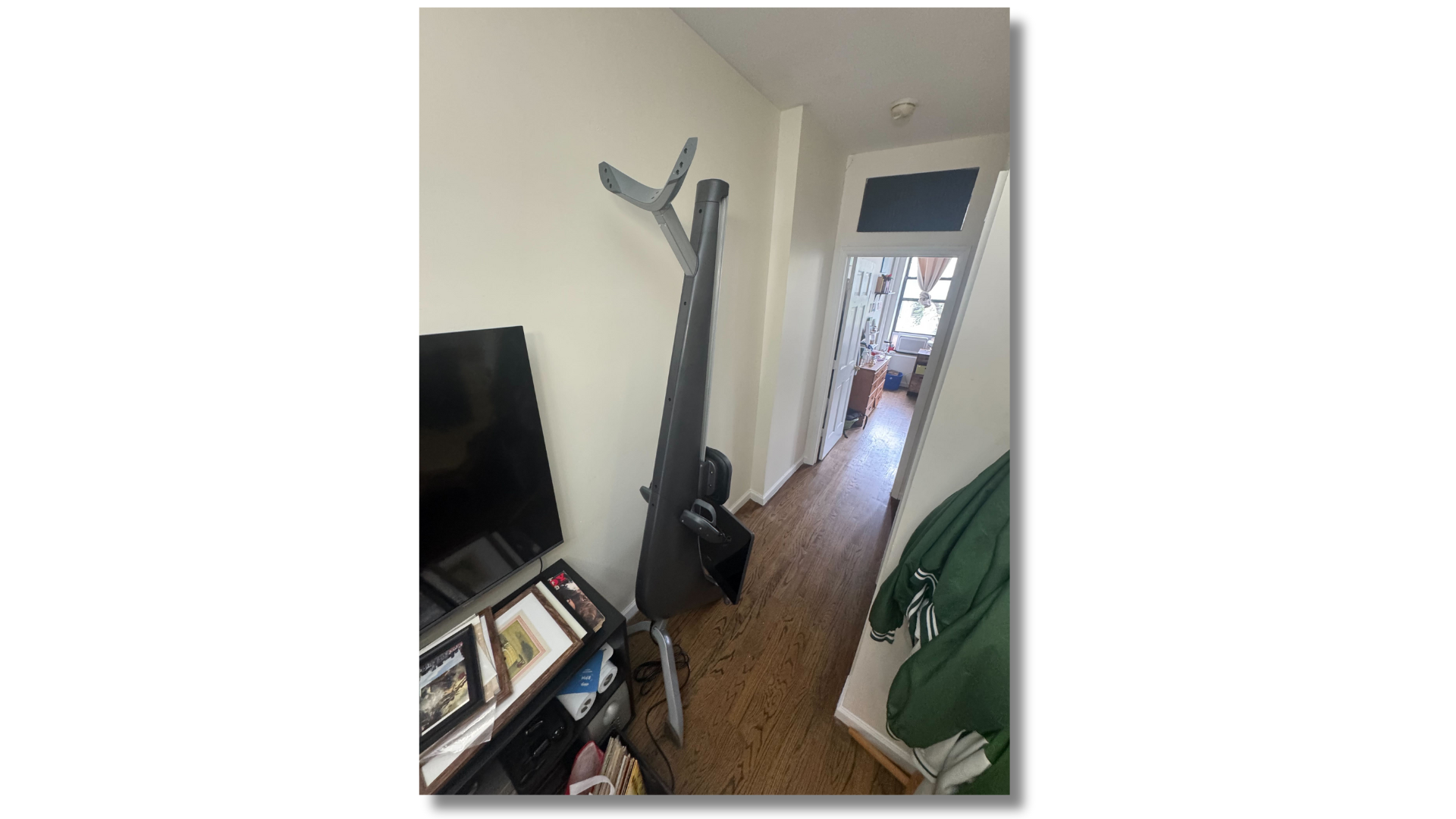
If you’re on the fence about whether rowing will become a regular habit, the size of the Arc should definitely give you pause. But if you have a dedicated home gym and know you’ll put this to good use, the substantial build is actually reassuring. It feels stable and secure even during intense workouts.
The Rowing Experience
As a runner testing this equipment, what struck me most was how smooth and intuitive the motion felt. I’ve used plenty of rowing machines at various gyms over the years, and I usually experience a clunky, disconnected feeling—like the machine is fighting against me rather than working with me. The Arc eliminates that entirely. The difference is like comparing a cheap stationary bike to a high-end indoor cycling setup. Every stroke feels fluid and natural.
The machine is also way quieter than I expected. Many rowers produce a grinding, mechanical noise that can be disruptive, especially in an apartment or shared living space. The Arc operates much more smoothly than you’d expect at a glance, making it feasible to work out early in the morning or late at night without disturbing others.
What makes the experience truly special, though, isn’t just the hardware—it’s the integration with Hydrow’s content ecosystem. The instructors guide you through workouts filmed in stunning locations around the world, from rivers and lakes to open ocean. It transforms what could be a monotonous cardio session into something genuinely engaging. You’re not just staring at a wall; you’re virtually rowing alongside world-class athletes in beautiful settings.
HydroMetrics: The Big AI Selling Point
I’m exhausted by every corner of the fitness world incorporating its own AI spin. Naturally, the major selling point of the Arc is clearly HydroMetrics, Hydrow’s “proprietary strength measurement system” (or, AI-powered insights). The idea is to help rowers understand their progress through intelligent scoring. This is where the “Arc” truly separates itself from both the company’s other models (the Wave and Origin) and competitors in the market.
Here’s how it works: After completing at least two rowing workouts longer than five minutes (not counting warm-ups or cool-downs), you can click “Tap for HydroMetrics” on your workout stats screen. The system then provides intelligent scoring that helps you understand your performance and motivates you to keep working toward your strength goals.
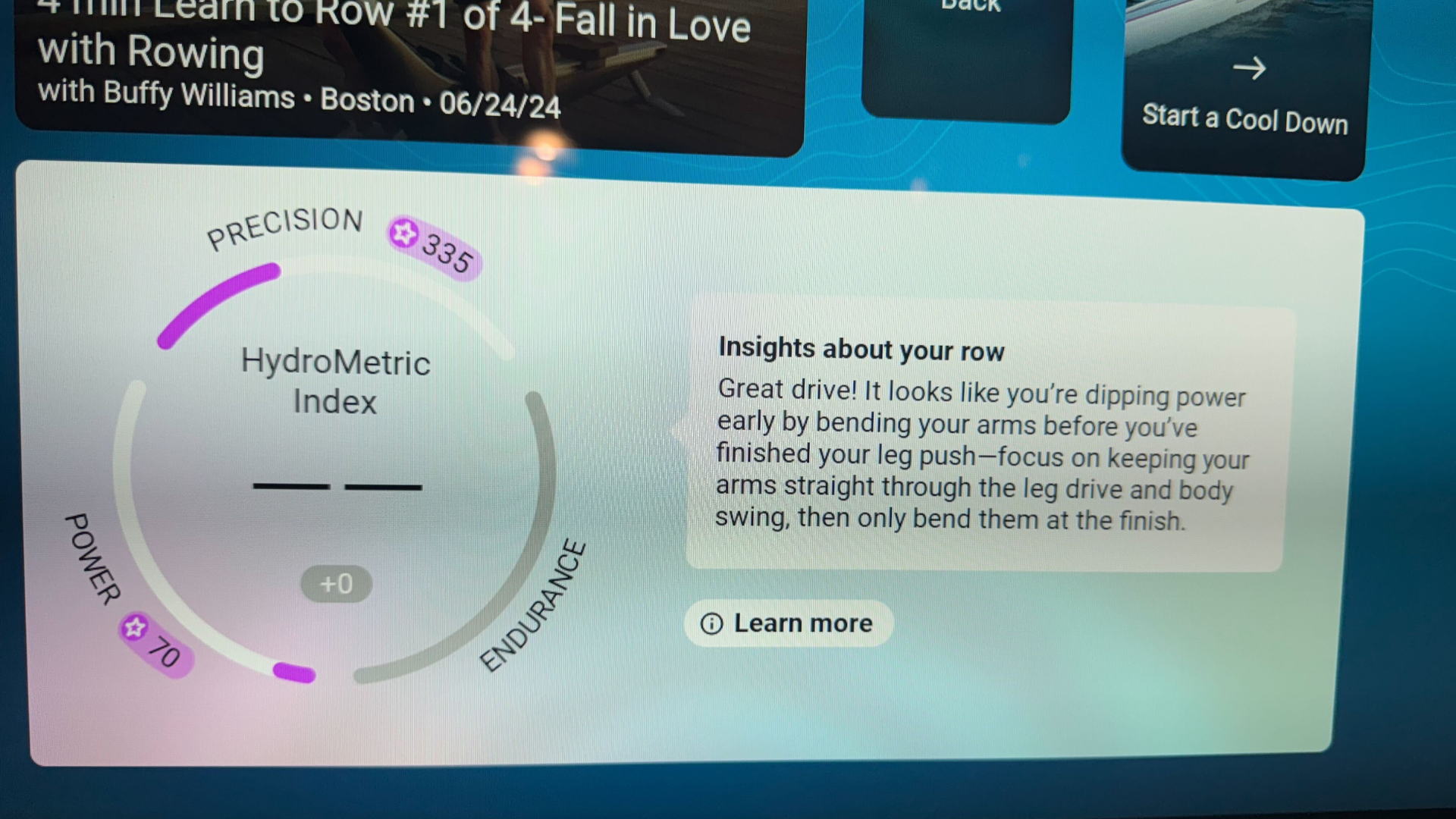
To give credit where credit is due, the system doesn’t just throw numbers at you. As someone relatively unfamiliar with rowing technique and terminology, I find it actually provides context and actionable insights. It’s the difference between seeing “you rowed for 30 minutes at average power of 150 watts” versus “your power output improved 8% from last week, and here’s specifically what you did well plus what to focus on next time.”
This is where the Peloton comparison really hits home. It’s not just about having a machine at home; it’s about having access to a comprehensive training ecosystem that understands and supports your goals. The AI-powered features provide the kind of data-driven feedback that serious athletes appreciate, while the instructional content ensures you’re actually getting the most out of each session rather than just going through the motions. And there’s a ton of instructional content.
Content Library and Membership
Is it possible to workout without a paid subscription these days? To really make the most of your Hydrow, you need to cough up a $44 per month membership fee. This is sold separately from the rower itself, and while only one paid membership per Hydrow is needed, it’s an essential ongoing cost to access the full functionality of the machine. Without the membership, you’re essentially using an expensive piece of equipment with severely limited capabilities.
However, what you get for that monthly fee is genuinely impressive. The membership includes unlimited profiles for your household and unlocks over 5,000 on-demand rowing workouts, led by world-class Hydrow Athletes filmed at scenic destinations around the world. There are live workouts where you can row in real-time on the water with instructors and other members, plus access to a real-time leaderboard if you enjoy the competitive aspect.
Beyond rowing, the membership also includes yoga, Pilates, strength training, and mobility sessions—creating a truly comprehensive fitness platform. There really is something for everyone in this insane library of workouts, whether you’re a beginner looking for 10-minute intro sessions or an experienced athlete seeking hour-long endurance challenges.
The breadth of content means you’re unlikely to get bored, and the regular addition of new workouts keeps the platform feeling fresh. This addresses one of the biggest challenges of home fitness equipment: maintaining motivation over time. If you justify the cost as replacing your gym membership, it could make sense for you.
Practical Considerations
This machine is undeniably high quality. But the question here is value. Is it worth it for you personally? To answer this, there are some practical factors to consider. First, the Arc needs to be connected to Wi-Fi. While this might seem obvious for a smart fitness device, it may limit where you can place the machine in your home. If your dedicated workout space is in a basement with spotty Wi-Fi coverage, you’ll need to address that before the Arc arrives.
The size and weight bear thinking about, because they’re genuinely substantial. At 147 pounds and over seven feet long, this isn’t something you’ll move around frequently. The assembly process takes about 30 minutes and requires at least one other person (though two will make it easier). Once it’s in place, plan on it staying there. This is a commitment to a specific spot in your home.
And then there’s the price. The Arc is $2,295, sitting above the Origin (formerly the Pro) at $2,195 with its 22-inch pivoting screen, and the Wave at $1,995 with its 16-inch fixed screen. Notably, these earlier models don’t have the HydroMetrics AI-powered insights that pretty much define the Arc experience. If you’re comparing to other premium connected fitness equipment, a Peloton Bike starts around $1,445, a Peloton Row starts at $3,295, while a Tonal strength training system runs over $4,000—putting the Arc squarely in the premium home fitness territory, but not at the absolute top end.