A Complex Landscape in Jackson, Mississippi
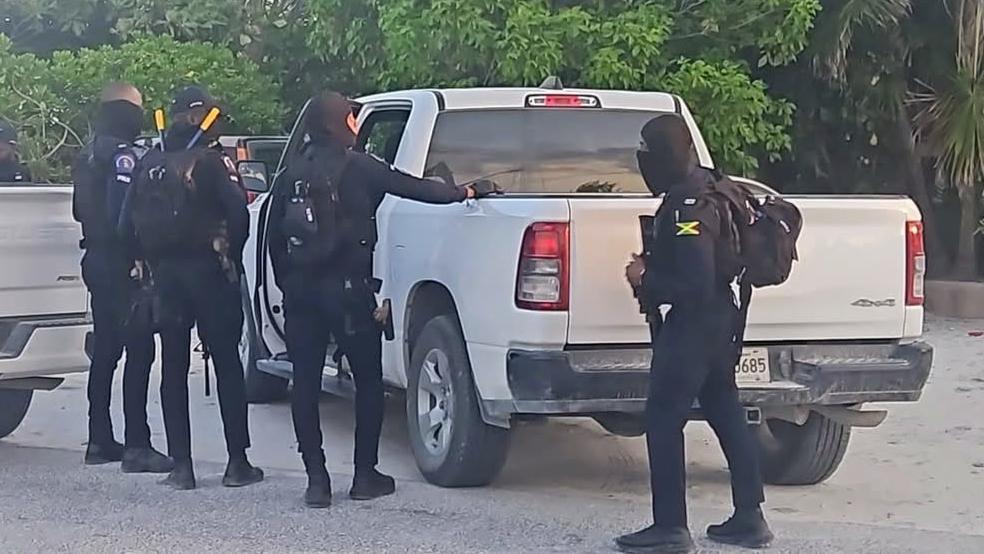
Mississippi Governor Tate Reeves made headlines in 2023 by labeling his state’s largest city, Jackson, as the “murder capital of the world.” This declaration led to a controversial move where Republican leaders brought in outside law enforcement. They expanded the jurisdiction of the state-controlled Capitol Police, which previously focused on protecting state buildings, to patrol parts of Jackson, a Democratic-run capital. Local leaders criticized this as a takeover.
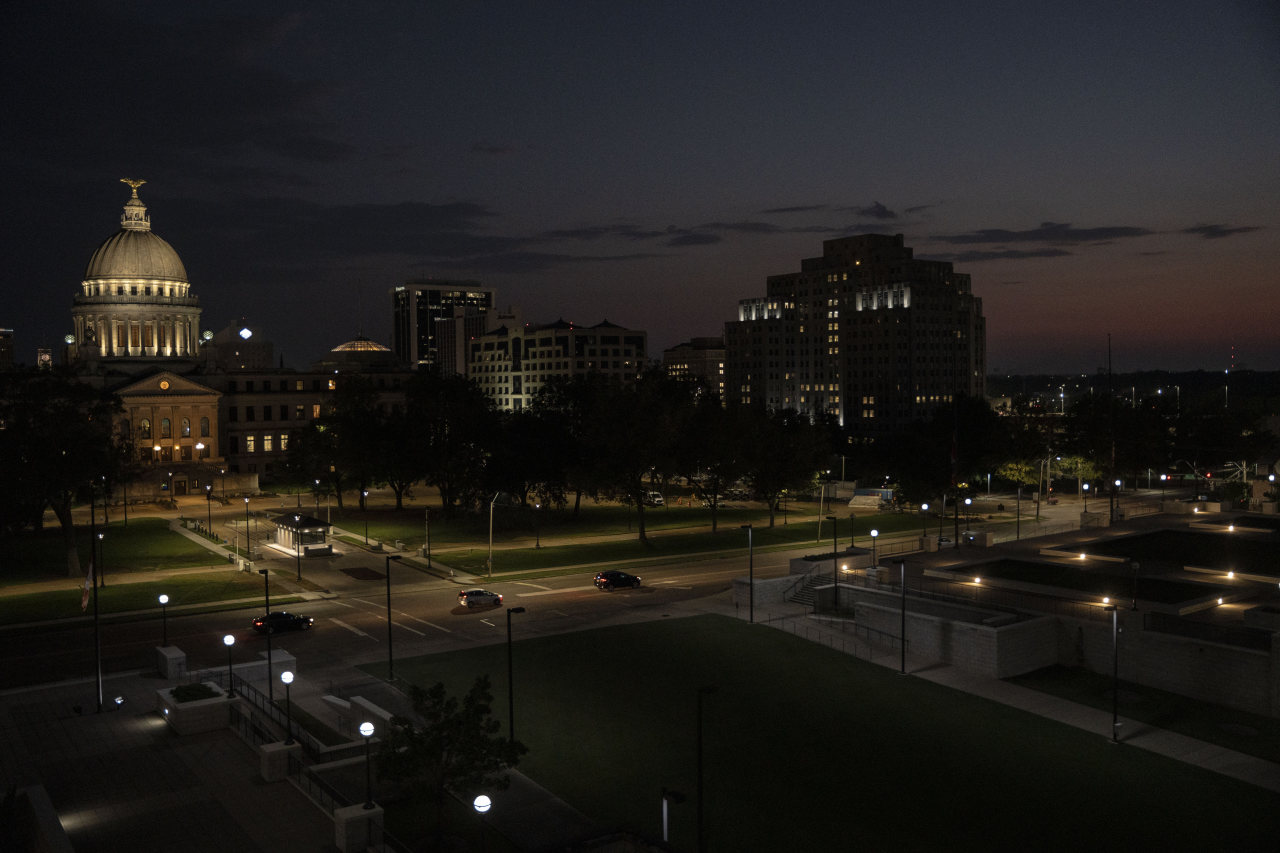
Two years later, the results and resident opinions show a mixed picture. While murders have decreased significantly, other types of crime have increased. Downtown Jackson, which has struggled for decades, is still largely empty by dusk. Just blocks from the governor’s mansion, homeless men walk among derelict buildings and collapsed storefronts. The Mayflower Cafe, a local institution, now has a security guard to help customers reach their cars safely.
Belhaven and some other neighborhoods show signs of development, but many areas remain plagued by burned-out homes, vacant businesses, and empty lots. Stray dogs roam through overgrown kudzu, banana plants, and mimosa trees. Trash and broken glass cover sidewalks, and roads are rutted and pocked. On one street, a feral peahen roams freely.
In a distressed part of the city’s northwestern section, Larry Stevens, who works part-time cleaning a convenience store, said drugs and crime remain constant. “Everybody and their mama, they smoke every day. It’s the same as ever.”
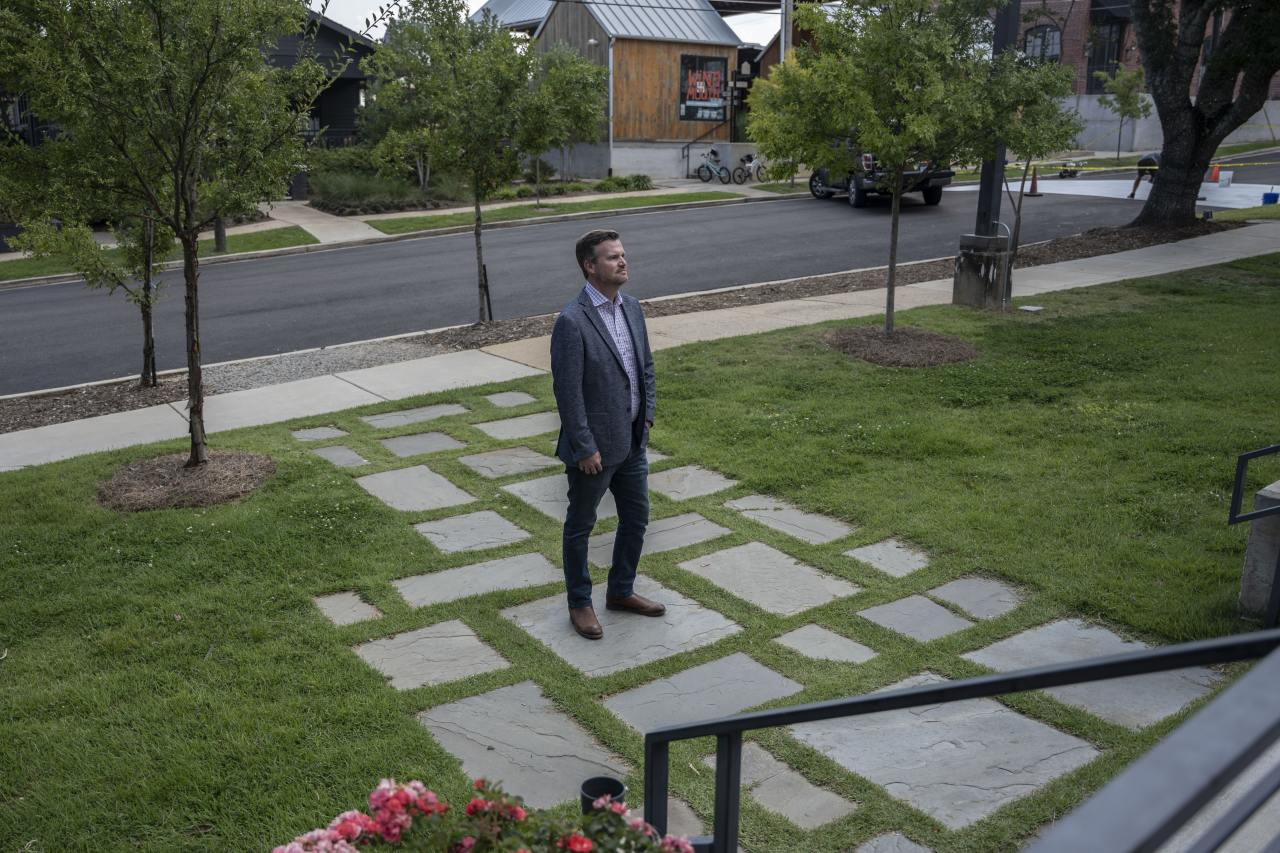
However, outside a coffee shop in wealthier Belhaven, real-estate broker Walt Wofford sees progress. Before the Capitol Police arrived, there was “a carjacking spree like nothing I have ever seen,” he recalled. When they came, “it evaporated.”
Jackson serves as an example of higher-level government overriding local control in the name of public safety. Former President Donald Trump has deployed National Guard troops to Washington, D.C., and Los Angeles, and has spoken about sending them to cities like Chicago, Memphis, New Orleans, San Francisco, New York, and Portland, Ore. He recently told a gathering of generals that such U.S. cities are “very unsafe places and we’re gonna straighten them out one by one.”
The National Guard patrolling Washington isn’t legally the same as the state-police expansion in Jackson, according to Gov. Reeves, but it is “similar because it is based on a belief that enforcement works.”
Population Decline and Legislative Changes
Jackson’s population has dropped from 196,000 in 1990 to 141,000 in 2024, according to census data and estimates. In 2023, the GOP-led legislature passed a law expanding Mississippi’s Capitol Police to cover all of downtown Jackson and areas to the northeast, including both wealthy and poor sections with hospitals, businesses, a college, and a university.
Critics called this an overreach by a largely white state leadership into Jackson, a predominantly Black, Democratic city. Jackson’s then-mayor Chokwe Lumumba called it an “attack on Black leadership in every form” and argued that more funding for the city-run police department would be more effective. (Lumumba was indicted on federal corruption charges in November and lost his re-election bid this past spring. He pleaded not guilty. Current Mayor John Horhn has pledged a less-combative relationship with the state.)
State leaders said it wasn’t about race, but about reducing crime, and the governor deemed a thriving Mississippi capital vital to the economy. The police expansion costs state taxpayers about $22 million annually. The state also set up courts to handle the additional cases. The expectation, officials say, is that Jackson police will shift resources to tackle crime more intensely in areas not patrolled by Capitol Police.
“Fighting crime should be a local issue, but as the governor, I would be willing to make any investments necessary to keep our people safe,” Reeves said.
Mixed Outcomes and Ongoing Challenges
Researchers at Jackson State University, a historically Black public institution, found that murders fell sharply, to about 50 so far this year, down 40% from this point last year. Whether the police expansion caused the drop is unclear. Homicides have fallen in most U.S. cities. And homicides per capita remain relatively high in Jackson compared with many cities.
Now, the state is doubling down, expanding the Capitol Police district from an initial section of about 8 square miles to 27, in a city of more than 110 square miles. The new district now includes more of the northeast and an area south of downtown.
“The residents of the capital city are extremely pleased with the progress that has been made,” Reeves said.
Dr. Sam Mozee, Jr., director of Jackson State’s Mississippi Urban Research Center, called the murder decline great news but said “there are some bugs to be worked out” between the Capitol and Jackson police. About 25 gangs operate in the city, he said.
Beyond homicides, the data show an inconclusive picture. Jackson police reported increases in rapes and sexual batteries in the first four months of the year compared with the same period last year, while aggravated assaults were about the same. The Capitol Police district only has partial data thus far, so comparing year to year isn’t yet possible, said Sean Tindell, commissioner of the Mississippi Department of Public Safety, which oversees the Capitol Police.
Divergent Perspectives
A Wall Street Journal reporter recently driving around Jackson found divergent perspectives on the Capitol Police expansion.
Wilson Hood, who owns real estate and restaurants, recounted that several years ago, his sister-in-law moved her family to Oxford, Miss., due in part to growing safety concerns, including gunfire that erupted not far from her daughter’s daycare.
“If you live in Jackson, you’ve got some grit,” Hood said. Now he is confident an officer will arrive quickly if he calls. “Before that, you couldn’t get anybody to show up.”
Marcos Gonzalez, a food-delivery driver, lives across from Battlefield Park, south of downtown. When he moved there in 2021, people warned him, “You’d better have a weapon with you.” For years, he heard loud noises that resembled gunfire. Now, things feel different. “I don’t hear it like I used to,” he said.
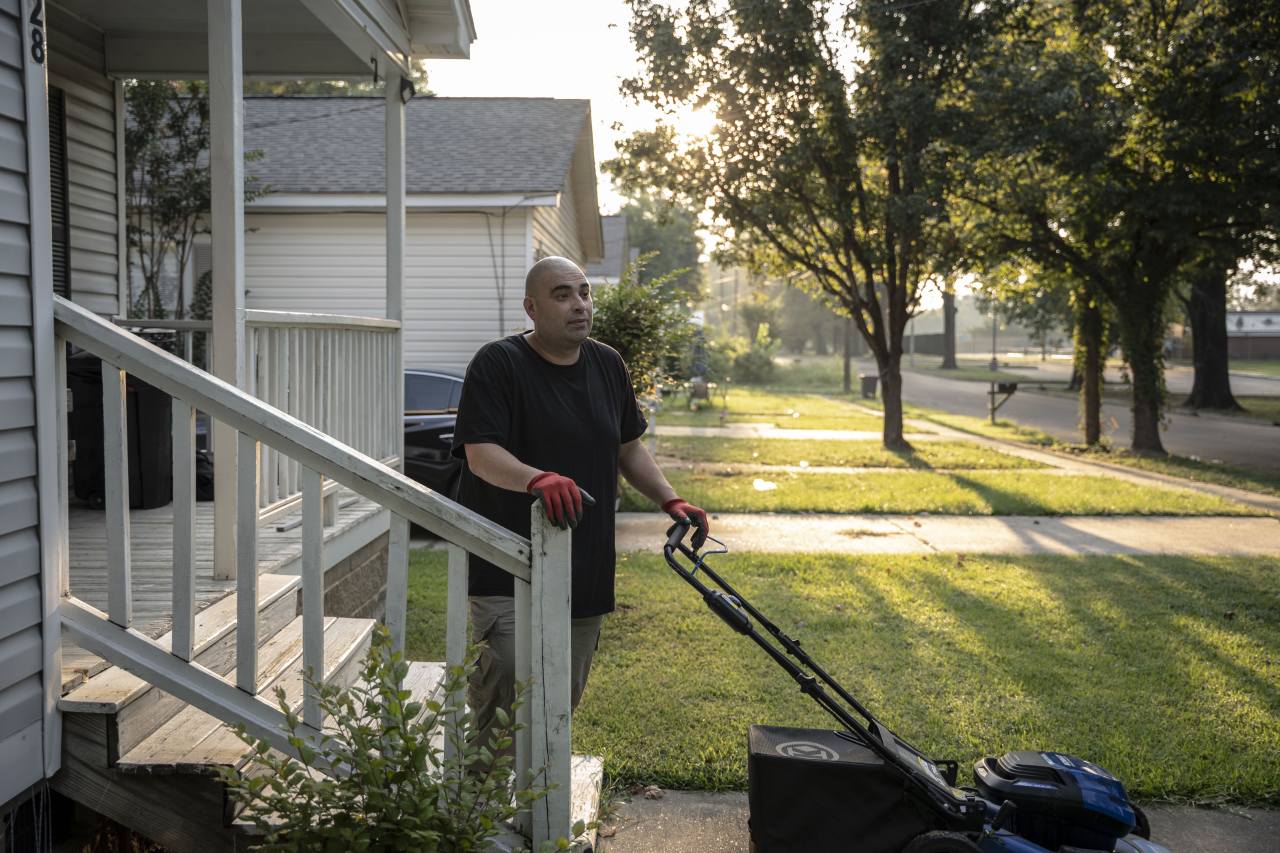
Others see little change in poorer areas. “Capitol police want to patrol all the pretty, nice, up-to-date neighborhoods, instead of the neighborhoods where crime is really happening,” said James Henson Jr., pastor of the Pure Dove Church of the Living God. “It’s really not an improvement.”
Henson recently called 911 when a dispute erupted at his church, but Jackson police and Capitol Police argued over which agency was responsible, he said. At a dollar store, he watched staff accuse someone of shoplifting and call police. Again, the two departments were confused over jurisdiction.
“It would be more safe if Jackson police and the Capitol Police worked together,” he said. “We need you to come right now, when we need you.”
Near downtown, in a neighborhood blighted by abandoned buildings, Willie Johnson, who co-owns a restaurant, said crime was persistent, but he worried more about dilapidated infrastructure. He gestured toward nearby potholes: “That’s the most dangerous thing I deal with in Jackson.”
The city’s interim Police Chief Tyree Jones, also the Hinds County sheriff, said political tensions between Jackson and the state have been a challenge, but relations between the city and Capitol Police are improving.
Asked whether he would have rather seen state funding go directly to the city police department, Jones said, “Of course, yes, but there’s the [state] law. It’s there and you can’t change that.”
“I’m very optimistic and hopeful about where we’re going,” Jones said. “Violent crime has been pretty much a dark cloud that was over Jackson.”