
The Influence of Arthur C. Clarke on the Marvel Cinematic Universe
The Marvel Cinematic Universe (MCU) has always been a blend of science fiction, fantasy, and mythology, creating a vast and intricate narrative that continues to evolve. Many of its most compelling elements have come from unexpected places, with various creators and writers contributing unique perspectives that shaped the storylines. From James Gunn crafting the lore behind the Infinity Stones on a napkin to Ryan Coogler envisioning Wakanda through the lens of Chadwick Boseman’s imagination, there are countless stories about how this grand universe was built.
One of the most intriguing aspects of the MCU is how it balances technology and magic. This concept, which has become a cornerstone of the franchise, was influenced by the writings of science fiction author Arthur C. Clarke. Kevin Feige, the president of Marvel Studios, has revealed that Clarke’s ideas played a significant role in shaping the portrayal of Thor and other magical elements within the MCU.
The Role of Arthur C. Clarke in Shaping the MCU
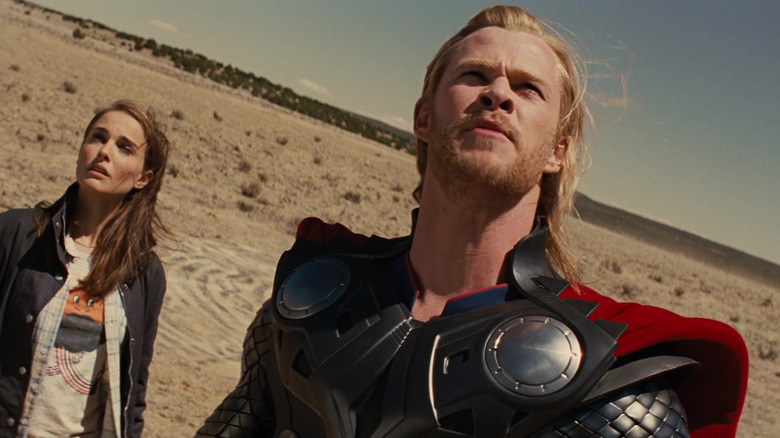
In 2011’s Thor, the character of Thor Odinson, played by Chris Hemsworth, crash-lands on Earth after being exiled by his father, Odin. He quickly becomes fascinated with Midgard, which is known as Earth in the MCU. During his time on Earth, he meets Dr. Jane Foster and explains the workings of Asgardian magic, drawing parallels between it and the technological advancements on Earth.
This connection was inspired by one of Clarke’s most famous quotes: “Any sufficiently advanced technology is indistinguishable from magic.” This idea, first introduced in Clarke’s 1962 book Profiles of the Future: An Inquiry into the Limits of the Possible, became a guiding principle for the MCU. When Collider interviewed Feige on the set of Thor in 2010, he referenced this quote to explain how the MCU would seamlessly integrate science fiction and fantasy elements:
“Was it Arthur C. Clarke or [Isaac] Asimov who said, ‘Technology significantly advanced would be indistinguishable from magic.’ That quote is what we used a lot and continue to use with all of this. Something that looks like magic to us, but it’s not magic to them. That is where we are coming from and when these worlds eventually collide, it will be in a pretty scientific manner.”
Magic and Technology in the MCU
This philosophy has led to some of the MCU’s most memorable moments. In almost every appearance of Thor, other characters express disbelief at his god-like powers, and this theme extends to other magical beings such as Wanda Maximoff and Stephen Strange. Even characters like Sam Wilson often make jokes about the absurdity of the situation, highlighting the humor that comes from blending science and magic.
Despite some criticisms, these comedic elements have resonated with audiences. The idea that a character like Thor could be an alien with advanced technology that appears magical has added a unique layer to the MCU. It allows for creative storytelling while maintaining a sense of wonder and excitement.
The Future of the MCU
As the MCU continues to expand, it remains to be seen how it will handle its approach to magic and technology. With many fans calling for more adaptations of characters like Thor, the studio has the option to present him as purely magical. However, the charm of the current approach lies in the balance between science and myth, making Thor not just a god, but also a technologically advanced being.
The influence of Arthur C. Clarke on the MCU is a testament to how science fiction can inspire real-world storytelling. By using Clarke’s principles, the MCU has created a world where magic and technology coexist, offering a fresh perspective on what it means to be a hero.