
- First Few Days
- First Few Weeks
- First Year
If you are recovering from surgery for inflammatory bowel disease (IBD), which includesCrohns disease and ulcerative colitisYou may have questions about what you can (and should) consume.
Proper nutrition following surgery goes beyond just feeling comfortable; it can speed up your recovery, boost your energy levels, and prevent future issues.
Here is a straightforward, step-by-step guide to nutrition following an IBD procedure.
What Can I Consume During the Initial Days Following Surgery?
The initial days following the operation focus on soft foods and careful choices.hydration. You might be able to eat as early as 24 hours following your procedure, provided your medical team gives the go-ahead.
Following those initial cautious steps in the hospital, understanding which foods to begin with at home can greatly influence how smoothly your recovery progresses. Here’s what typically proves most effective.
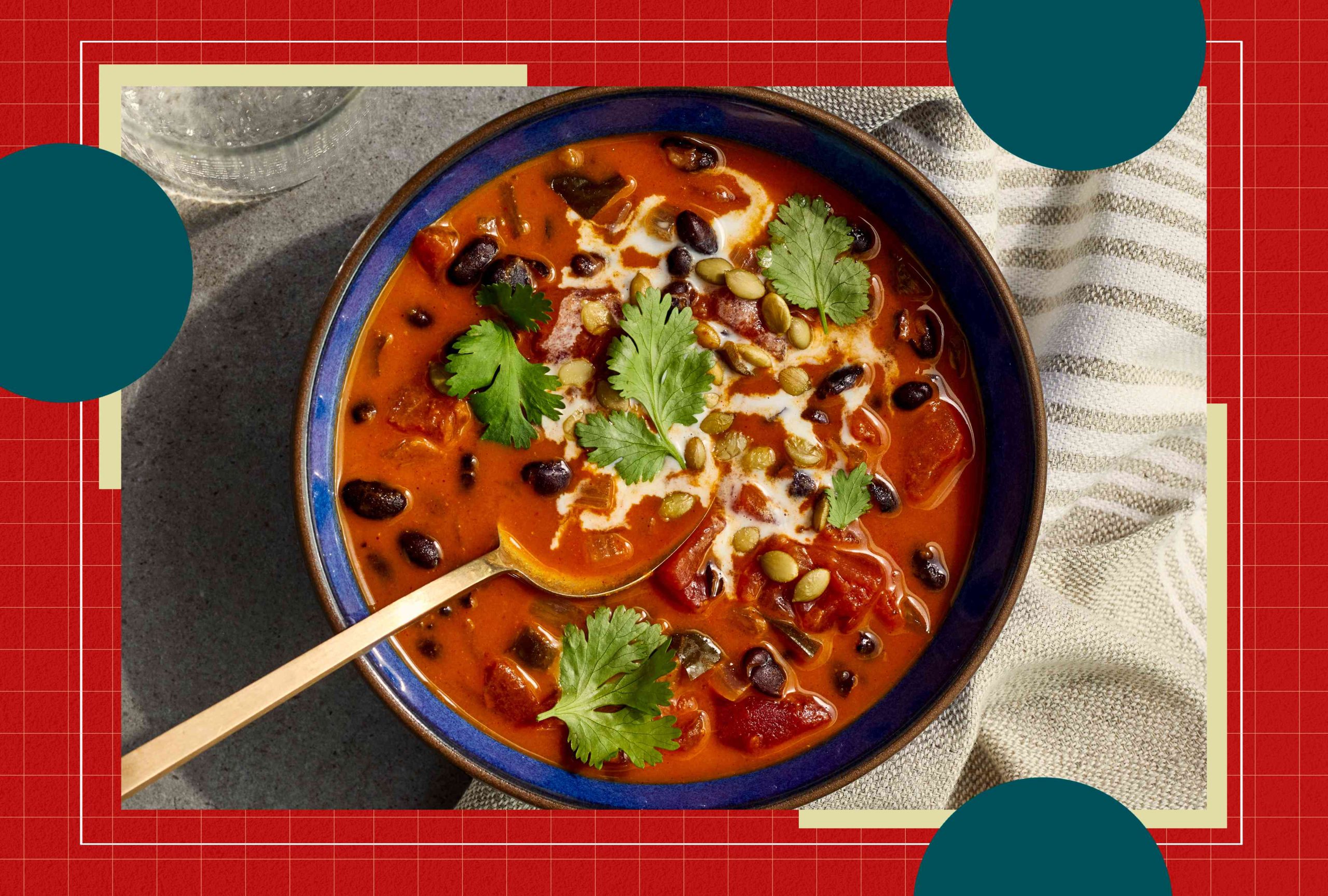
- Soft, Cooked FoodsThink mashed potatoes, peeled and steamed carrots, blended soups, apple puree,bananas, and smoothiesAvoid consuming raw fruits and vegetables, chewing gum, and foods that produce strong odors such as asparagus, eggs, fish, garlic, and onions.
- Low-Fiber, Low-Fat, Low-Sugar MealsThese can allow your digestive system to recover and reduce the chances of cramps, diarrhea, and obstructions.
- Hydration That Really WorksYou should consume a sufficient amount of fluids. If you have an ostomy or had a portion of your colon removed, oral rehydration solutions (ORS) are more effective than sports drinks since they are designed to help your body absorb sodium and water more effectively.
Here are some unique suggestions based on the type of surgery.
- Diet following an ileostomy or colectomy:Focus on white carbohydrates such as white bread, pasta, and rice; skinless chicken, turkey, and fish; soft fruits like applesauce; cooked vegetables such as mashed potatoes; and smooth nut spreads. Consume small meals throughout the day to support your recovery.
- Diet after J-pouch surgery:Prioritize staying well-hydrated. This is crucial as after surgery, your body tends to lose more fluids and electrolytes than normal due to loose stools. Consume ample water to maintain proper hydration levels. If you find plain water unappealing, consider enhancing it with lemon, lime, or other flavorings. Additionally, you can incorporate electrolyte tablets into your water to improve taste and replenish the electrolytes that may be lost during bowel movements.
What Can I Consume During the Initial Weeks?
Once you’ve passed the initial recovery phase, you can start incorporating more varied foods into your meals, but do so gradually.
Important guidelines when you start broadening your food choices:
- Continue to maintain a gentle and soft approach for a while.Steam vegetables and remove the skins from fruits. Introduce new foods gradually, one at a time.
- Monitor your fluid intake, particularly if you have an ostomy or J-pouch..As noted, ORS solutions (not limited to sports drinks) can assist in keeping your electrolyte levels balanced.
- Fiber is not the adversary.Unless your healthcare team advises differently, research indicates you don’t need to limitfiberforever. Begin at a low level and increase gradually as your body allows. Especially, use mild sources ofsoluble fibercan be ideal following surgery, as they tend to be soft and simple to digest, for instance,oatmeal, bananas, peeled and cooked zucchini, and butternut squash. Adding these items to your diet can assist in reaching your fiber requirements without causing issues for delicate digestive systems.
Some additional considerations:
- Diet after J-pouch surgery:Fruits may help prevent pouchitis, a type of inflammation that may occur as a complication following J-pouch surgery. Certain probiotics can be beneficial for chronic pouchitis, but only introduce them if your medical team approves.
- After bowel resection:Your medical team might monitor your B12, vitamin D, and iron levels on a regular basis, as these can decrease following surgery. Foods such as lean meats, salmon, enriched cereals, and nutritional yeast can assist in restoring your levels.
What and What Methods Should I Use for Eating During the First Year?
What does proper nutrition entail during the first year?
- Gradually raise the intake of plant-based foods and fiber.Your stomach may be able to handle raw fruits, leafy vegetables, and legumes again as time goes on. Take it gradually and pay attention to how your body feels. Be sure to consume enough fluids (ideally water) while slowly raising your fiber consumption. This can help minimize the chances of bloating, gas, and other discomforts.
- Diversity is important for a healthy digestive system.Include a variety of fruits and vegetables to promote beneficial bacteria and reduce inflammation; this is particularly important for individuals who have undergone J-pouch surgery.
- Regular check-ins for nutrients.As noted, vitamin D, vitamin B12, and iron are frequently lacking nutrients following surgery. Request your medical team to monitor these closely.
- Staying hydrated for extended periods.Your digestive system may not absorb liquids as effectively as it did prior to surgery. Continue consuming ORS drinks and steer clear of sugary beverages or undiluted sports drinks.
Your medical team, particularly a registered dietitian, should be your primary source for ensuring these changes are seamless and secure. Take it one meal at a time—your recovery is underway, and proper nutrition is a strong asset in returning to a full life.
The Takeaway
- Begin with mild foods and liquids, and gradually add more variety as your condition improves. Monitor your symptoms and seek assistance if your digestion is not cooperating.
- Don’t overlook nutrition and staying properly hydrated: Consult your medical team for routine assessments of vitamin D, B12, iron, and electrolytes, particularly following significant surgery.
- Collaborate with your dietitian and medical team throughout the process. Their expertise will assist you in tailoring your recovery and returning to a healthy eating routine.
Sources
- Nutritional Support Therapy. Crohns & Colitis Foundation.
- Gastroenterologist and Certified Nutritionist: Dietary Guidelines Following Surgery for Crohn’s Disease or Ulcerative Colitis.Crohns & Colitis Foundation. January 31, 2025.
- Colostomy Dietary RecommendationsMemorial Sloan Kettering Cancer Center. September 14, 2021.
- Aghsaeifard Z et al. Grasping the application of oral rehydration therapy: A narrative review spanning clinical practice to key guidelines.Health Science Reports. September 11, 2022.
- Ostomy Diet After Surgery. Cleveland Clinic. May 18, 2019.
- Nutrition After Ostomy Surgery. Crohns & Colitis Foundation.
- J-Pouch Surgery. Cleveland Clinic. July 26, 2023.
- Godny L et al. Eating Fruits Is Linked to Changes in Microbial Structure and Reduced Incidence of Pouchitis.Journal of Crohn’s and Colitis. October 2019.
- Barnes EL et al. AGA Clinical Practice Guideline for the Treatment of Pouchitis and Inflammatory Pouch Conditions.Gastroenterology. 2024.
- Fornals AU et al. Metabolic and Nutritional Challenges Following Surgery of the Lower Digestive Tract: The Crucial Contribution of the Dietitian in a Team Approach.Nutrients. January 2024.
- Surgery and Nutrition. Crohns & Colitis Foundation.
- Dharia I et al. Iron deficiency is prevalent among patients with ulcerative colitis following restorative proctocolectomy with an ileal pouch-anal anastomosis.Inflammatory Intestinal Diseases. October 2023.
- Monitoring Fluid Intake with Your IleostomyUCDavis Health.
Reyna Franco, RDN
Medical Reviewer
Reyna Franco, RDN, is a dietitian-nutritionist based in New York City, specializing in sports nutrition, and is also a certified personal trainer. She is a diplomate of the American College of Lifestyle Medicine and holds a master’s degree in nutrition and exercise physiology from Columbia University.
In her private practice, she offers medical nutrition therapy for weight control, sports nutrition, diabetes, heart conditions, kidney disease, digestive issues, cancer, food allergies, eating disorders, and children’s nutrition. To cater to her wide range of patients, she shows cultural awareness and understanding of traditional dietary practices. She incorporates the principles of lifestyle medicine to lower the risk of long-term illnesses and enhance patient health.
Franco also works as a corporate wellness consultant, offering wellness coaching and leading seminars for businesses of all sizes. She instructed medical students on sports nutrition at the Albert Einstein College of Medicine, taught life cycle nutrition and nutrition counseling to undergraduates at LaGuardia Community College, and supervised nutrition students and interns. She developed the sports nutrition rotation for the New York Distance Dietetic Internship program.
She serves as the chair of the American College of Lifestyle Medicine’sRegistered Dietitian-NutritionistMember Interest Group. She also serves as the treasurer and secretary of the New York State Academy of Nutrition and Dietetics, having held various other leadership positions within the organization, including as former president,Chair of the awards committee and chair of the grant committee, among other roles. She is involved with the local Greater New York Dietetic Association and the Long Island Academy of Nutrition and Dietetics as well.
Rachel Dyckman, RDN
Author
Rachel Dyckman, a registered dietitian nutritionist, is the owner and founder of Rachel Dyckman Nutrition, a private practice based in New York City that offers individualized nutrition guidance, writing, consulting, and corporate wellness programs.She specializes in areas such as weight management, heart health, regulating blood sugar levels, and addressing digestive issues, including inflammatory bowel disease, irritable bowel syndrome, gastroesophageal reflux, diverticular disease, and food sensitivities.
She obtained a master’s degree in clinical nutrition from New York University, and also finished her dietetic internship in partnership with Mount Sinai Hospital in Manhattan.
Her approach to nutrition focuses on enhancing the gut microbiome, which consists of trillions of microorganisms living in the digestive tract. By utilizing this method, she assists individuals in boosting their overall health and addressing or controlling long-term health issues.
Her work has appeared in Well+Good and Fig. She serves as a medical reviewer for HealthCentral and often shares her nutrition knowledge in interviews with various media platforms, includingU.S. News & World Report,Women’s Health, Healthline,Parade, and Eat This, Not That.
Sign up to receive the latest updates from our IBD newsletter