Understanding Anaphylactic Shock
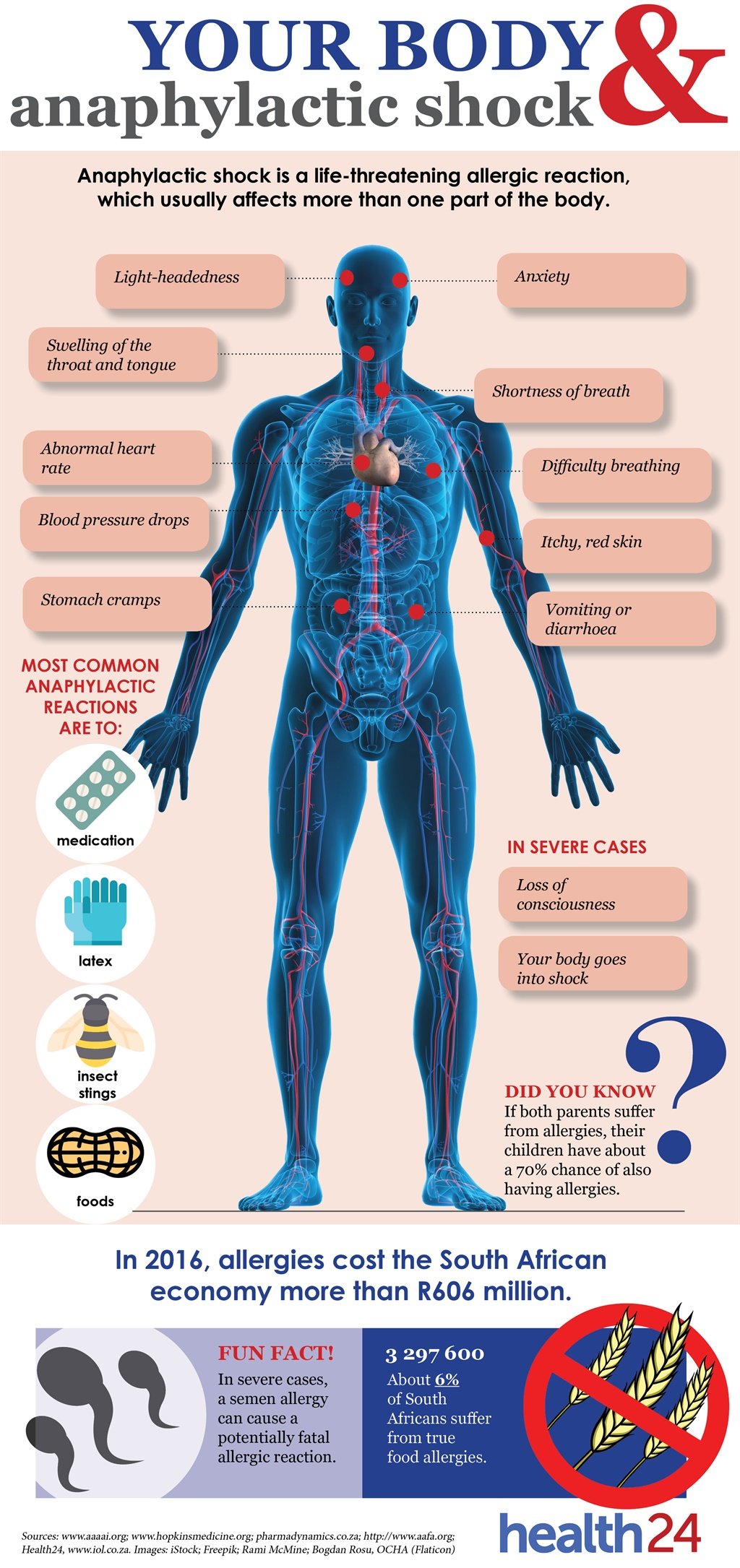
Anaphylactic shock is the most severe form of anaphylaxis, a life-threatening allergic reaction that can occur rapidly and without warning. It happens when the body’s immune system overreacts to an allergen, releasing chemicals that cause a sudden drop in blood pressure and narrowing of the airways. This condition can lead to cardiac arrest or respiratory failure if not treated immediately.
Common Triggers of Anaphylactic Shock
Several common allergens can trigger anaphylactic shock, including:
- Foods: Peanuts, tree nuts (such as almonds, cashews, and walnuts), eggs, milk, sesame, and shellfish are among the most frequent culprits.
- Insect Stings: Bees, hornets, and wasps can cause severe reactions in sensitive individuals.
- Latex: Some people have allergic reactions to latex products.
- Medications: Antibiotics, chemotherapy drugs, iodine-containing contrast agents used in imaging scans, and nonsteroidal anti-inflammatory drugs (NSAIDs) may also be triggers.
Symptoms of Anaphylactic Shock
The symptoms of anaphylactic shock are similar to those of anaphylaxis but more severe. They can affect multiple systems in the body, including:
- Respiratory Issues: Difficulty breathing, wheezing, a tight throat, or a hoarse voice.
- Swelling: Face, lips, or tongue may swell significantly.
- Cardiovascular Symptoms: A rapid heartbeat, irregular heart rhythm, or even cardiac arrest.
- Skin Reactions: Flushing, hives, or intense itching.
- Neurological Effects: Dizziness, fainting, or confusion due to low blood pressure.
- Gastrointestinal Problems: Cramping, diarrhea, or vomiting.
- Emotional Distress: A feeling of impending doom or extreme anxiety.
Differentiating Anaphylaxis from Anaphylactic Shock
While both conditions involve severe allergic reactions, the key difference lies in the involvement of the cardiovascular system. Anaphylactic shock is characterized by a significant drop in blood pressure, which can lead to dizziness, fainting, or even loss of consciousness. In some cases, it may result in a complete collapse of the cardiovascular system, making it one of the most dangerous forms of anaphylaxis.
Treatment for Anaphylactic Shock
Immediate treatment is crucial in managing anaphylactic shock. The first line of defense is epinephrine, which is administered through an auto-injector or nasal spray. Epinephrine helps reverse swelling, restore breathing, and stabilize blood pressure. However, using epinephrine is only the first step.
After administering epinephrine, it is essential to call emergency services immediately, even if symptoms seem to improve. Additional treatments in the emergency room may include intravenous fluids, oxygen therapy, and other medications. Delayed treatment increases the risk of fatal outcomes, so time is critical.
If someone loses consciousness, it is important for family or friends to know how to respond. Lying the person flat with their legs elevated can help increase blood flow to the brain while waiting for medical help.
Risk Factors for Anaphylactic Shock
Several factors can increase the likelihood of experiencing anaphylactic shock, including:
- History of Anaphylaxis: Individuals who have had previous severe allergic reactions are at higher risk.
- Age: Older adults may be more vulnerable due to underlying health conditions.
- Medications: Certain drugs like ACE inhibitors and beta-blockers can worsen allergic reactions.
- Comorbidities: Conditions such as asthma, cardiovascular disease, food allergies, and mast cell disorders can contribute to more severe reactions.
- Delayed Access to Epinephrine: Not having immediate access to an epinephrine auto-injector can be life-threatening.
- Physical Activity After Eating: Exercising after consuming a known allergen can increase the severity of a reaction.
Why Anaphylactic Shock Should Be Taken Seriously
Even if someone has never experienced a severe allergic reaction before, they could still be at risk. Adult-onset food allergies are becoming more recognized, and reactions can be just as serious as those that begin in childhood. Additionally, past mild reactions do not guarantee future mild ones—some people experience unpredictable responses.
Once an individual has had a severe allergic reaction, they are at higher risk for future episodes. Therefore, it is crucial to always carry two epinephrine devices and seek immediate medical attention if exposed to an allergen.
Key Takeaways
Anaphylactic shock requires immediate treatment with epinephrine, as it causes a sudden and dangerous drop in blood pressure. It differs from regular anaphylaxis because it always involves the cardiovascular system, leading to symptoms like dizziness or unconsciousness.
Individuals at higher risk include those with conditions like asthma, those taking certain medications, or those with advanced age. Regardless of personal history, it is essential to remain vigilant and prepared for potential allergic reactions. Always carry epinephrine and seek emergency care if needed.