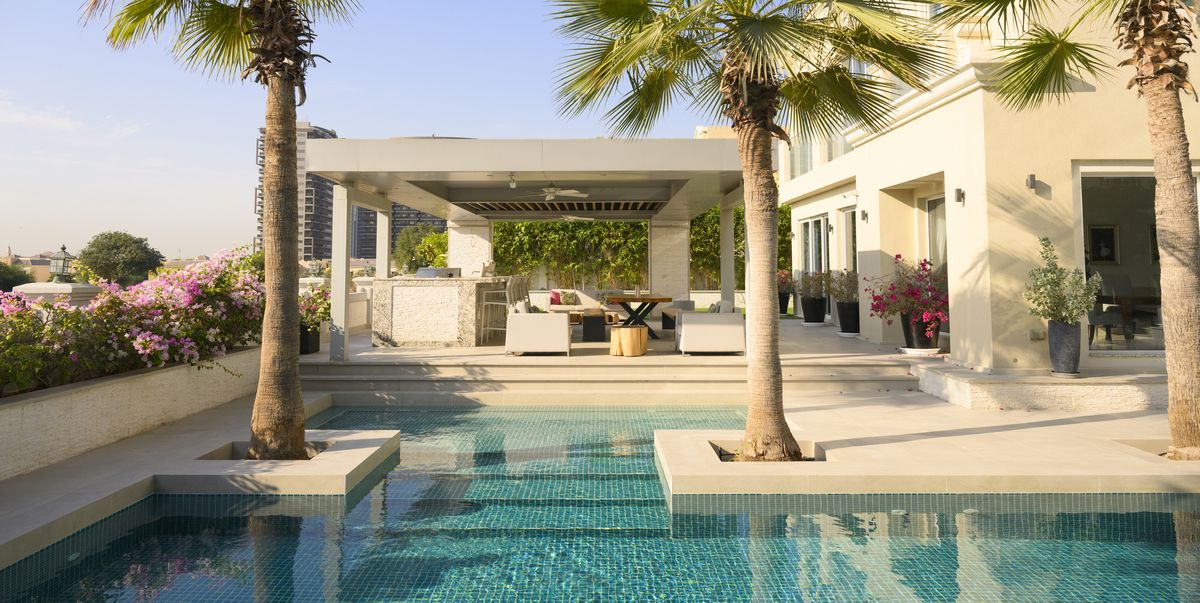
While it may seem straightforward, designing an outdoor pool is no easy feat. If not done with the utmost attention to every detail, you may end up with an awkward layout that you won’t want to use—or you could have a serious safety hazard on your hands. Luckily for you, we spoke with two experts who have ample experience with designing gorgeous pools. Paul Blanding, landscape architect and partner at Chicago’s The Outside Design Studio, and Joseph Richardson, founder of Washington, D.C.–based Richardson & Associates Landscape Architecture, offered more than a few helpful pieces of advice when it comes to creating a retreat in the backyard.
Let these lessons serve as useful guidance rather than warnings against building a pool at all. Trust us; you’ll be happy to have a pool at home the next time a heat wave hits, so don’t wait. Start planning now so that by next summer, you can actually enjoy the heat rather than simply endure it. Read on to learn what the pros have to say!
Avoid Building It Too Small
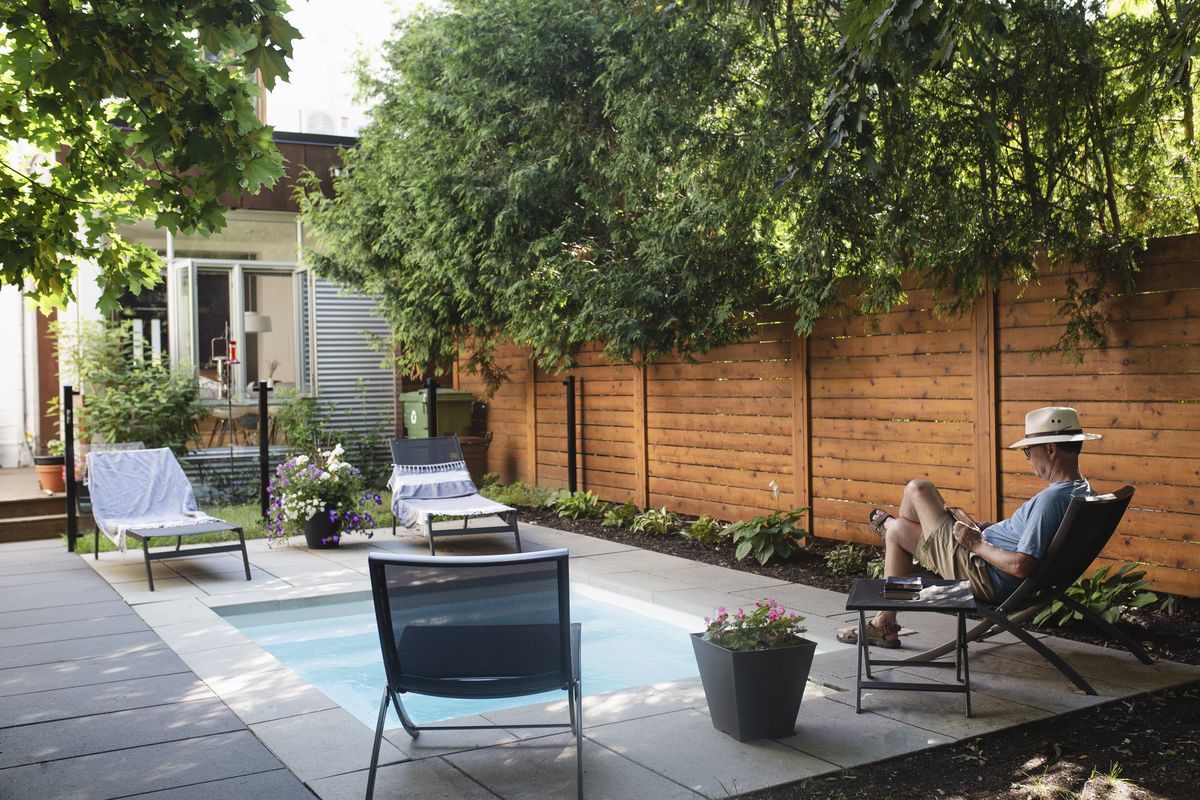
This may seem obvious, as a large pool just seems like the more enjoyable option, but there are also logistical reasons why a small pool (especially in a large outdoor space) may not be the best answer.
“A small pool might seem easier and cheaper at first, but it can lead to long-term frustration and limitations. Here’s why: Families grow, kids get bigger, so your pool may feel cramped in a few years,” Richardson explains. “Smaller pools also have limited functionality, making it harder to swim laps and play games. With small pools, there is also limited room for features, so you may not be able to separate shallow lounging areas from deeper swimming zones.”
Having separate areas within the pool is essential for ensuring it’s an enjoyable spot for all to hang out, including little ones, teens, and adults.
Don’t Attempt to DIY It
Designing a pool is not easy, especially because there are so many safety considerations to keep in mind. So, if you’re considering adding a pool to your backyard, don’t go it alone.
“It’s important to talk to a landscape architect, as well as an architect, civil engineer, and pool engineer or installer as early as possible in the design process because ultimately, the location of the pool matters more than anything else,” Blanding suggests.
Just Spend the Money—It’ll Be Worth It
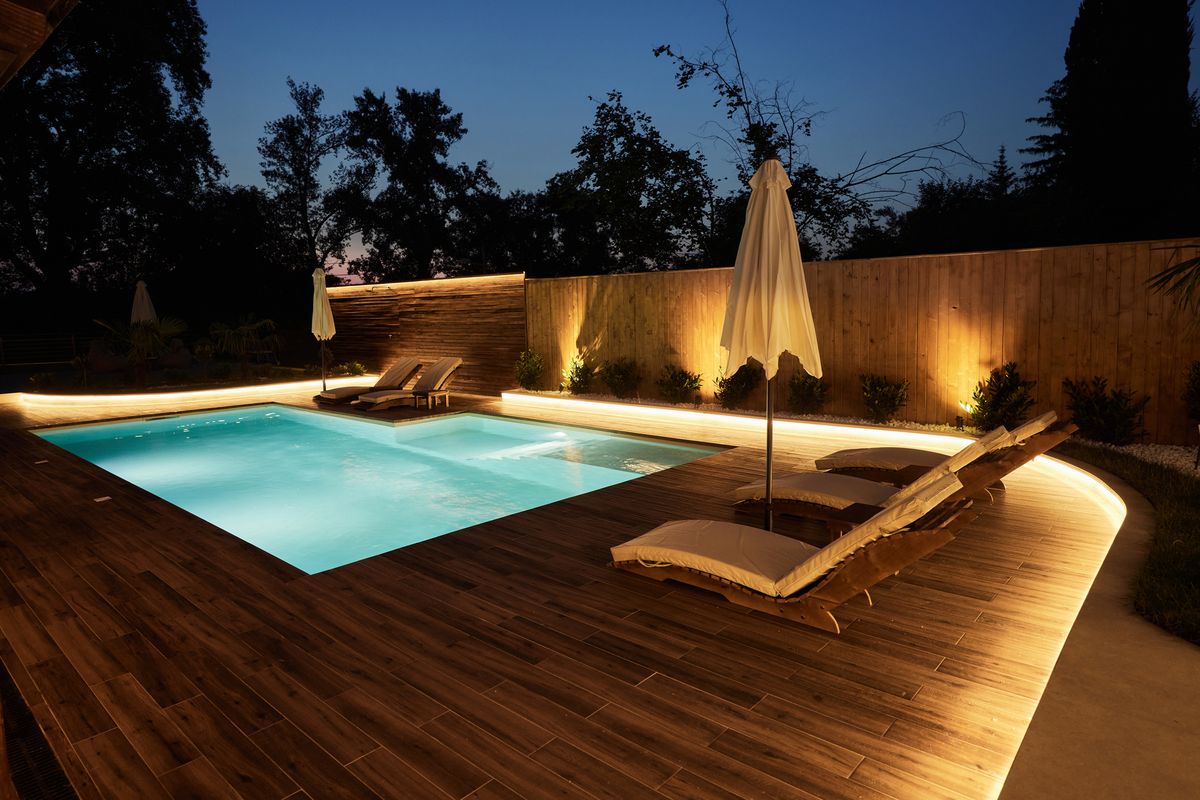
While you might have sticker shock when tallying the total cost, a pool is one of those home features you definitely don’t want to cut corners on.
“Saving money upfront by skipping certain features or using low-end materials might feel smart at the time, but it often leads to higher long-term costs, more maintenance, and compromised comfort and enjoyment,” Richardson says. Instead, prioritize smart upgrades such as energy-efficient pumps, LED lights, a salt system, or an aromatic cover for safety and maintenance.
Don’t Skip the Water Heater
Even during the dog days of summer, a pool holding anywhere between 12,000 and 20,000 gallons of water might still feel unpleasantly cold. This means that investing in a heater is a must.
“A pool heater can massively extend your swimming season and overall enjoyment,” Richardson says. “Skipping it to save money is a common regret. So add the decorative jets and waterfalls, because you’re already paying for the water pumps—go big or go home.”
Pay Attention to the Sun
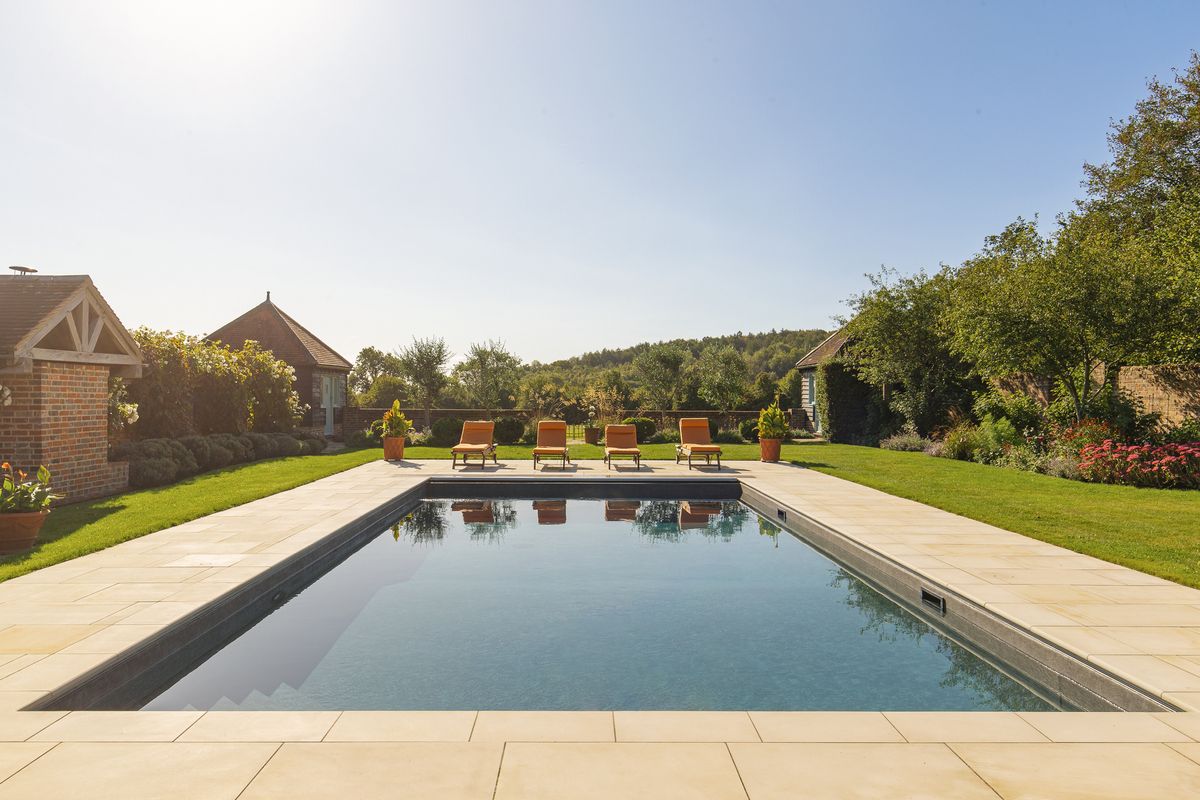
While not a critical safety concern, sunlight significantly impacts how much you’ll enjoy your outdoor pool, so it’s an important consideration.
Consider how sunlight and shadows will affect your entire yard. Generally, you’ll want the sun to hit both the pool and the water itself, but it’s also good to have some shaded areas on the pool deck. Therefore, it’s crucial to find methods toEmploy established, fully-grown trees.Blanding emphasizes that you can benefit from this. “Once more, by bringing in a landscape architect at the beginning of the planning phase, you’ll ensure you’re maximizing the value of the trees already there.”
Make sure you’re ready for the maintenance it will require.
Any pool owner can tell you that removing leaves from the surface of the water will become a daily task while the pool is in use. You should also consider whether trees or other vegetation are positioned directly above the pool, as this can significantly increase the amount of upkeep required.
Blanding advises paying attention to the type of mess and upkeep that nearby or overhanging plants will create, so you can prevent things like grass clippings and pine resin from contaminating the pool.
Get more storage options.
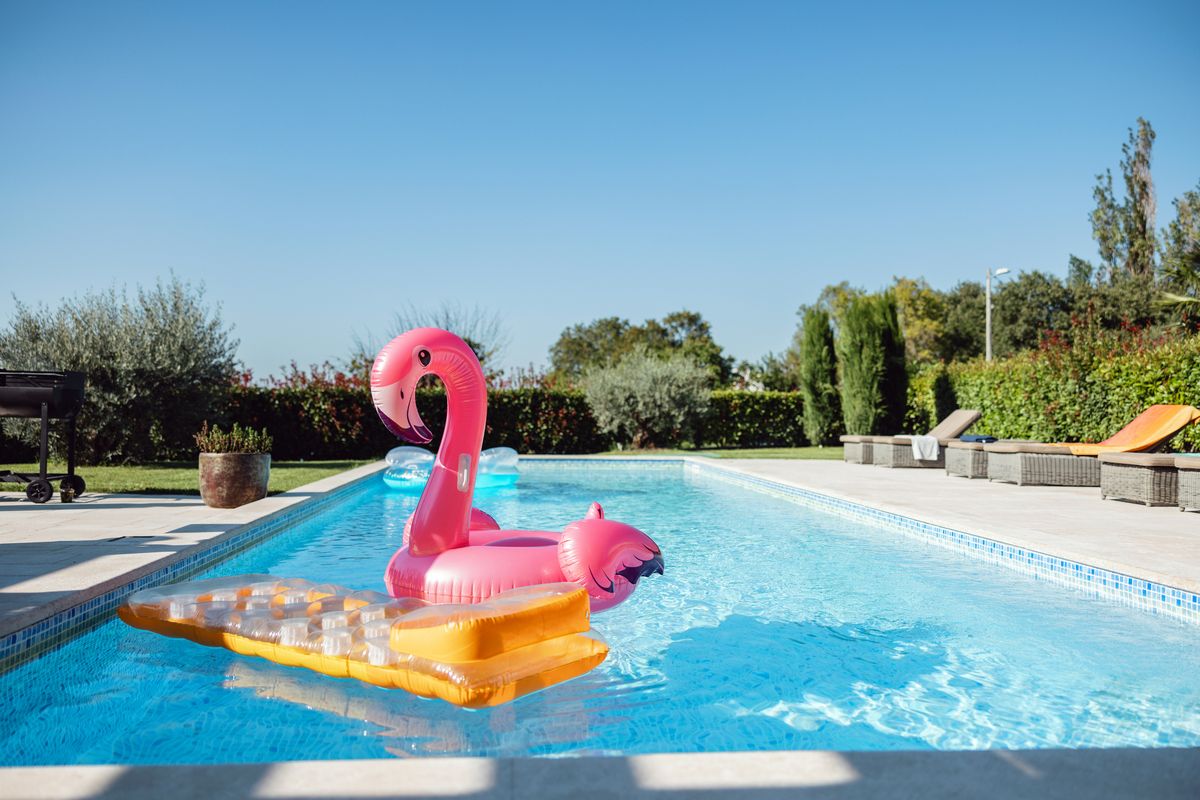
As any professional organizerYou might hear that garages are meant for vehicles, not pool equipment. To ensure your inflatable toys are always clean and accessible, provide them with a designated storage area when they’re out of the water.like a storage shed, for example).
According to Richardson, “Storage is always in demand, aiding in maintaining a clean pool area while also safeguarding your purchases, as correctly stored equipment endures longer and shields cushions, playthings, and umbrellas from the elements.”
Prioritize Safety Above All Else.
While it’s important to combine attractive features with useful design, pool safety must be your top priority. Richardson stresses that automatic pool covers and appropriate decking materials are two safety features you should definitely include in your design plans.
He explains that a motorized system that operates a robust pool cover with the touch of a button, a turn of a key, or a smartphone application is essential for safeguarding children and animals. Furthermore, it prevents leaves, soil, bugs, and other contaminants from entering the water.
When choosing materials for your deck, prioritize those that offer slip resistance to avoid burns and falls. Good choices include concrete, paving stones, natural stone, and even certain types of wood.
Follow House Beautiful on Instagram and TikTok.