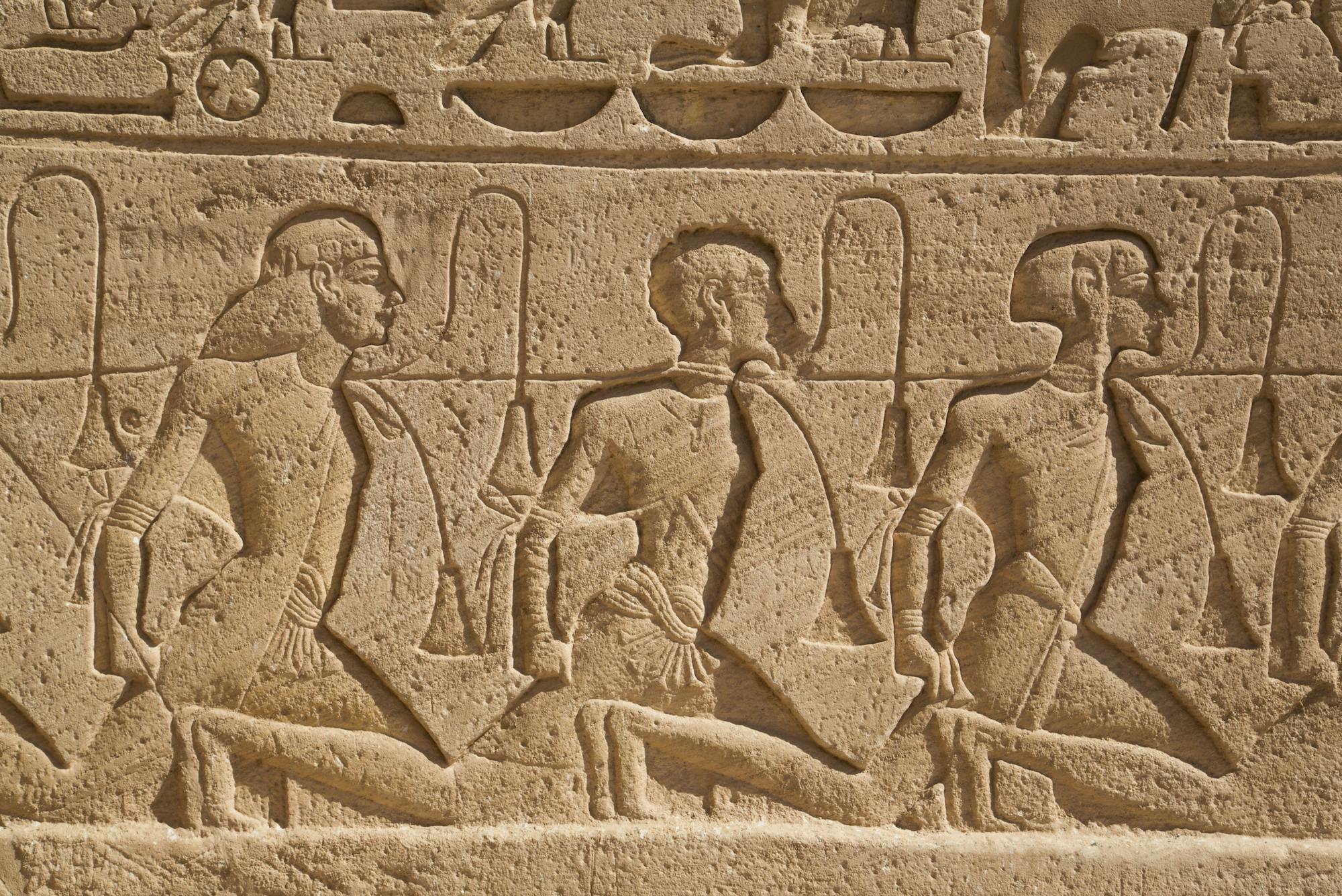
It’s unlikely to cause any controversy within our political system to say that “slavery is bad.” In fact, most experts would argue that this statement significantly downplays the damage inflicted by this institution. Forcing millions of Africans from their home and forcing them into a lifetime of bondage is not acceptable, unless you are supporting the slaveholders. However, even some people who owned slaves described the system in negative terms. They understood that it was an abnormal, unethical system. For instance, the slave-owning philosopher Thomas R. Dew famously called slavery America’s “original sin.” Although he used this term for self-serving reasons — to deflect blame from the founding fathers and onto those who wanted to keep slavery alive — it’s important to recognize that some slaveholders admitted to the system’s cruelty. That’s why it’s concerning that some individuals today are reluctant to acknowledge the atrocities of slavery. Those who experienced this dehumanization or saw it firsthand know this all too well. Our country cannot embrace a “never again” mindset without first recognizing the harm that was done.
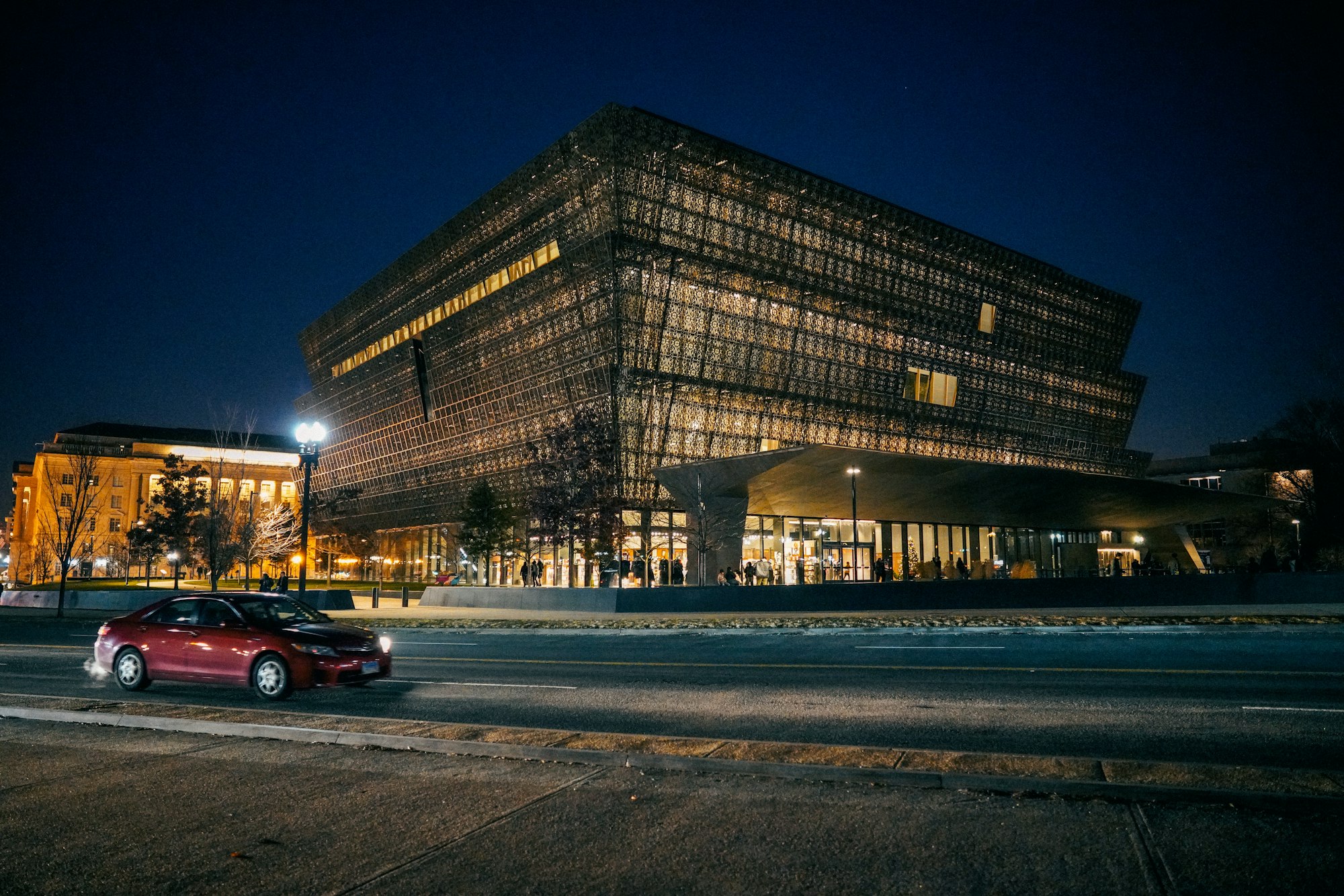
Over the last five years, lawmakers in no fewer than forty-four states have proposed restrictions on so-called “divisive subjects,” with certain measures explicitly targeting critical race theory. This has made it more difficult for students to engage in open and scholarly discussions about chattel slavery. Suppressing this subject is unfair, particularly when there’s a strong focus on maintaining the history of White individuals. If you attempt to remove a statue of a Confederate general in the Deep South, you’ll soon encounter significant pushback. Although some might have thought such censorship would mainly affect students, President Trump’s attention on museums indicates a larger plan to control how history is presented, insisting that exhibits should align with his personal perspectives. He criticized the Smithsonian’s National Museum of African American History for highlighting “how bad slavery was,” claiming that curators didn’t showcase enough “positivity.” His remarks are similar to those of White visitors who visit southern plantations and object if tour guides talk about the lives of enslaved people. Such statements encourage the erasure of history.
To visit a museum focused on the legacy of African Americans and propose that slavery should be considered a minor part of the story is to favor comforting tales over factual history. The institution existed for 246 years if we begin with the arrival of enslaved Africans in Jamestown (1619), and 339 years if we include those enslaved in the Spanish colony of Florida (1526). Black Americans experienced slavery in this country longer than they have been free, and continued to face racial discrimination even after its end. For example, there is an exception in the 13th Amendment that allows involuntary servitude for individuals convicted of a crime. States have used this provision to target Black people and force them into exploitative labor situations. Additionally, considering the effects of Jim Crow, a system of racial segregation and oppression that lasted from 1865 to 1968, it is misleading to claim that anti-black racism or slavery had a limited impact. Indeed, the racial wealth gap created by slavery has never been closed. And inequalities within the criminal justice, healthcare, and education systems show that society still struggles with racial injustice. This all began with the enslavement of Africans. So, why should anyone be allowed to erase this part of their history? In authoritarian regimes, leaders often control the messages the public receives. In this case, the Trump administration is attempting to downplay the history of slavery, claiming it wasn’t that bad, despite the accounts of Black people who endured it. Seven years after Frederick Douglass escaped slavery, he described to a group of abolitionists the brutal treatment he faced, including “the lash, the chain,” and “thumbscrew.”
The Louisiana sugar parishes experienced a situation where “deaths significantly outpaced births,” as noted by Khalil Gibran Muhammad in The 1619 Project. “Exhausting labor and ‘insufficient nutritional intake’ made enslaved individuals in the United States much less capable of resisting common and deadly diseases associated with dirt and poverty.” People who claim slavery isn’t significant have no intention of enduring the conditions of enslavement, such as working all day without compensation, having their cultural traditions banned, and being separated from their families. Therefore, why do some attempt to minimize its importance? This is an attempt to restrict meaningful conversation about the long-term effects of chattel slavery. The Daughters of the Confederacy promoted sanitized stories that celebrated the actions of slaveholders while ignoring the damage they caused to Black people. Likewise, Moms for Liberty, a contemporary group of conservative women, supports censorship laws that suppress or eliminate Black historical narratives.
President Trump asserts that the Smithsonian is overly “woke” when it comes to discussing the nation’s dark history, including the severity of slavery. This kind of criticism highlights how conservatives have distorted the term “woke” beyond its original intent. Some individuals use it as a derogatory label. Historically, within the Black community, the expression “stay woke” was meant to promote awareness of racial injustices. However, outside this context, some white people have adopted the term as a way to mock any socially conscious actions, ideas, laws, or policies. If we accept, just for the sake of discussion, that acknowledging the bad aspects of slavery is “woke,” then wouldn’t being “anti-woke” imply support for slavery? At minimum, it represents a stance of indifference toward the enslavement of Black people. While conservatives constantly criticize “woke” culture, society has not yet held them accountable by examining what “anti-woke” truly means to them. Additionally, it’s ironic that the White House was partially constructed using slave labor, yet the current occupant refuses to recognize their contributions. The idea that opposing slavery is considered “too woke” further indicates that the country is moving towards authoritarianism.
Some people think that racism and fascism are separate issues. However, research indicates they are connected. Parker and Towler (2019) stated, “As long as racial threat is a part of American life, the idea of authoritarianism will keep affecting American democracy.” Trump wants more positive images to be shown at the Smithsonian. Instead of honoring the experiences of enslaved Black individuals in this country, he prefers their stories to be pushed aside, hidden in archives, and ignored. Considering the injustices that enslaved people endured, it’s our duty as citizens to remember their stories; to give them the humanity that white society took away from them during their lives. Yet, Trump wants museum curators to create exhibits that only show the good parts, creating an illusion of constant progress. As Ibram X. Kendi mentioned, “the history of America has been shaped by two movements: one that expands the inclusion of Black Americans and another that maintains or increases their exclusion.” Therefore, the real story, the one that isn’t just happy and positive, must be included. Unfortunately, this kind of depth will be lost in national museums if the current administration has its way. Racism leaves a nation open to fascism. Whenever a society gives up the rights of some, the rights of others are also at risk. It’s the first step in a chain of events.
A visual artist from Detroit, Jonathan Harris, painted a work in 2021 titled “Critical Race Theory,” highlighting this issue of censorship. On the canvas, there is a depiction of a man using white paint to obscure well-known black historical figures like Dr. Martin Luther King Jr., Malcolm X, and Harriet Tubman. This artwork demonstrates the consequences of distorting historical narratives. The history that is widely accepted today could become obscured if Americans do not stand against this tendency. Authoritarian regimes aim for complete control over public views. This involves a strong emphasis on managing the narrative, even to the point of removing elements that don’t align with their perspective.
It’s significant that Republicans are not, at this moment, criticizing a Jewish Museum for emphasizing the Holocaust or a Japanese museum for highlighting their internment during World War II. This specific criticism of black history as “too woke” reflects ongoing anti-black policies that have shaped American society. Those in authority see the experiences of the enslaved as contentious because it contradicts the narrative that portrays the founding fathers as kind and just. Although there is a push to maintain the histories of other groups, there appears to be an expectation that Black people should overlook their own past.
Charging the Smithsonian with being overly “woke” when depicting the damage caused by slavery is a clear example. This kind of policy highlights the link between fascism and racism, showing how administrations with authoritarian tendencies are restricting the information accessible to the public. While individuals who haven’t deeply considered the subject might simplify discussions about slavery to just unpaid labor, that was only a small part of the experience. Chattel slavery in this country was a race-based, hereditary system of forced servitude, maintained through human trafficking, economic exploitation, and cultural destruction. Black people faced the ongoing risk of violence. It was terrible. And still, there are some White individuals today who argue otherwise.
A few years back, Florida Governor Ron DeSantis claimed that Black people had advantages from slavery. He approved acurriculumThat highlighted a sanitized version of history, restricting conversations about race and racism within the state. And now that Trump is serving his second term, he’s advancing similar rhetoric that glosses over the legacy of slavery. Yet, this brutal system became the country’s first major industry, forming the economic base upon which other industries were built. Before there was a railroad industry, crops like cotton, tobacco, rice, and sugar were harvested by enslaved Africans, forced to enrich the nation while enduring constant abuse. Since the abolition, Black Americans have continued to experience racial injustices. You can follow the trail from the early colonies where enslaved Africans worked tirelessly for the benefit of white people to the present day, where Black Americans remain the most hardworking yet underpaid group. This suppression is an attempt to hide the nation’s failure to address restorative justice and to acknowledge this “original sin.” With this in mind, you can understand why some want to suppress these discussions. They hope the public won’t view slavery as wrong, portray reparations as charity, and overlook the deep racial divide. America’s future relies on citizens’ ability to connect this entrenched prejudice with the emergence of fascism.
This post originally appeared on Mediumand is edited and republished with the author’s consent. Discover more of Allison Gaines’ writingson Medium.