California Leaders Advocate for Cap-and-Trade Extension to Bolster Public Transit in Los Angeles County
A coalition of Los Angeles County legislative leaders, spearheaded by Assemblymember Tina McKinnor and Senator Maria Elena Durazo, is rallying behind Governor Gavin Newsom’s proposal to extend California’s Cap-and-Trade Program for another 15 years. This program, a cornerstone of the state’s climate initiatives, is not only a significant revenue generator but also a critical tool for reducing emissions and fostering economic growth. The legislators are specifically advocating for allocating $3.3 billion annually from the program to support and expand public transportation options throughout Los Angeles County.
McKinnor and Durazo emphasized the urgent need to shift away from a transportation system heavily reliant on vehicles. In a joint statement, they asserted that continued dependence on cars would impede the state’s climate goals, worsen air quality, fail to create well-paying union jobs, and perpetuate long-standing inequities that disproportionately affect vulnerable communities within the county. They stressed the importance of making a “generational investment” in transit, highlighting the potential of the $3.3 billion commitment from the Cap-and-Trade Program to help achieve these objectives.
Investing in a Sustainable Transit Future
The proposed $3.3 billion investment would be strategically allocated to several key areas to transform public transportation in Los Angeles County:
- Enhanced Service Operations: Funding would be directed towards increasing the frequency and reliability of bus and rail services, making public transit a more attractive and competitive option for daily commuters.
- Capital Improvements: The investment would support critical infrastructure projects, including regional connectors to high-speed rail, bus rapid transit corridors, the electrification of bus and rail fleets, and improvements to first/last-mile safety and grade separations to reduce delays.
- Equity Mandates: Projects would be prioritized based on their adherence to high road labor standards and their potential to deliver community benefits, particularly in disadvantaged areas.
The Success of Cap-and-Trade: A Decade of Impact
Governor Newsom has previously lauded the Cap-and-Trade Program as a resounding success. He noted that over the past decade, the program has invested billions of dollars in projects designed to hold polluters accountable, improve air quality, protect public health, and stimulate the creation of new career opportunities. Newsom believes that extending the program will demonstrate California’s climate leadership, attract investment, and drive innovation in the development of cutting-edge technologies.
Metro Projects at Risk
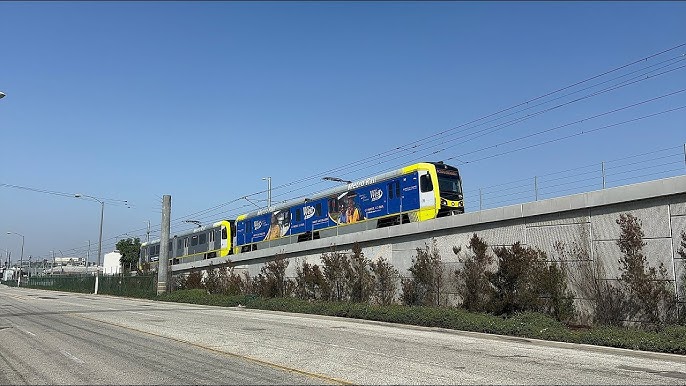
The Los Angeles County Metropolitan Transportation Authority (Metro) has identified 14 proposed projects that could be jeopardized if the Cap-and-Trade funds are not renewed beyond 2030. Many of these projects focus on establishing rapid transit lines along high-traffic corridors in South Los Angeles and extending the Metro K Line to serve the San Fernando Valley and the South Bay.
The Urgency of Addressing Traffic and Pollution
Data from Caltrans’ 2024 Mobility Performance Report underscores the severity of traffic congestion in the region. District 7, encompassing Los Angeles and Ventura counties, records nearly 9 billion daily freeway miles traveled, surpassing all other Caltrans districts. When combined with neighboring Southern California districts, the region accounts for over 21 billion daily freeway miles.
Furthermore, the South Coast Air Basin continues to struggle with extreme non-attainment of federal ozone standards. Communities within Los Angeles County, especially in the San Fernando Valley, South Los Angeles, and along major freight corridors, disproportionately bear the burden of pollution from vehicles and goods movement. These challenges highlight the critical need for sustained investment in public transportation throughout Los Angeles County.
The Potential of Public Transit
Millions of Los Angeles County residents rely on LA Metro bus and rail, Metrolink, and other municipal transit operators. However, service levels have not kept pace with demand. Transit ridership remains significantly below pre-pandemic levels, even as freeway traffic has largely recovered. Without substantial investment, many residents, particularly those who are considered “super-commuters” from areas like the San Fernando Valley, South Los Angeles, and the Inland Empire, will remain trapped in long, expensive commutes.
Cap-and-Trade: A Proven Track Record
According to the Governor’s office, the Cap-and-Trade Program has already demonstrated its effectiveness. As of last year, the program had funded $28 billion in investments across the state over the past decade, resulting in a reduction in carbon emissions equivalent to removing 80% of the state’s cars from the road. Since 2000, California has reduced carbon emissions by 20% while simultaneously increasing its GDP by 78%.
A Call to Action
Governor Newsom has emphasized California’s commitment to leading the way in reducing pollution and ensuring that climate investments benefit all residents. He views the Cap-and-Trade Program as one of the state’s most effective tools for cutting emissions and creating good-paying jobs, and he is urging continued support for its extension. The collaborative effort of Assemblymember McKinnor, Senator Durazo, and other Los Angeles County legislative leaders demonstrates a unified commitment to a more sustainable and equitable transportation future for the region.