On a blazing summer day, a parked vehicle can resemble a hot oven. Recent studies from Lisbon indicate that this phenomenon isn’t merely unpleasant, but may also be contributing to the heating of entire neighborhoods.
And the color of your vehicle might be contributing to the problem.
A recent study featured in City and Environment Interactions reveals that dark-colored cars emit significantly more heat compared to lighter ones, causing the surrounding air temperature to increase by several degrees.
Expanded across thousands of parked vehicles, this underlying element may greatly intensify the urban heat island effect, where cities experience much higher temperatures compared to surrounding areas.
Dark-colored vehicles function as heat absorbers.
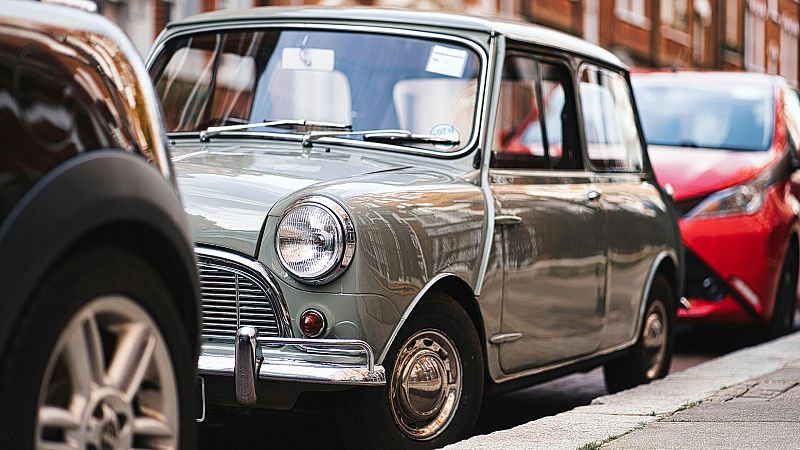
Márcia Matias and her team from the University of Lisbon examined the air temperature near two vehicles, one black and one white, that were parked outside for over five hours under a clear summer sky. At 36°C, the black car increased the surrounding air temperature by up to 3.8°C compared to the asphalt next to it. The white car had a much lesser effect.
The distinction boils down to the light thecolours reflect.
White paint reflects between 75 and 85 percent of the sunlight that hits it. Black paint only reflects 5 to 10 percent, absorbing the majority of the light. In contrast to asphalt, which is dense and heats up slowly, a car’s thin metal body heats up rapidly and transfers the heat directly into the surrounding air.
Now imagine thousands of vehicles spread throughout a city, each functioning as a small heat source or a heat barrier,” says Matias. “The color of these cars can actually affect how warm the streets feel.
What precisely is the urban heat island effect?
As per Copernicus, the EU’s Earth observation program, anurban heat islandis an urban region that is notably hotter than the surrounding rural areas because of human actions and built environments.
Paved surfaces absorb and retain heat, while densely packed buildings limit air movement, causing heat to be trapped. Vehicles, air conditioning systems, and industrial processes contribute additional warmth.
At night, the impact is most pronounced. Urban areas can remain up to 10°C warmer than the nearby rural regions, as concrete, asphalt, and steel gradually emit the heat they absorbed throughout the day. Duringsummer, surface temperatures in European cities can rise 10-15°C more than in rural areas, where vegetation,forestsand meadows cool the air.
Approximately 70 percent of Europeans reside in city environments, making the urban heat island effect a significant public health issue.
Why is Europe particularly at risk?
Europe has experienced unprecedented heatwaves in recent years, with temperatures exceeding 40°C in several cities this summer.
A study conducted last summer revealed that climate change had tripledthe number of deaths caused by a single extreme heat incident.
Heat stress causes more than just discomfort. Prolonged exposure may speed up the aging process, impact mental well-being, and result in… childrenmore susceptible to dehydration, respiratory diseases, and even mortality. The elderly and individuals with existing health conditions are at the greatest risk.
In metropolitan areas like London and Paris, where nighttime temperatures can remain as much as 4°C warmer than nearby regions, the absence of cooling once the sun sets only increases the risk.
How municipalities are countering the challenges
Across Europe, certain cities are now competing to make adjustments. Some, such as Barcelona, have set aside climate shelters– public structures like libraries, schools, or museums that remain open during heatwaves to offer residents cooler areas.
Others are making their streets more green. In the Dutch city of Breda, riverbanks have been turned into green areas and concrete tiles have been swapped out for grass and trees. Currently, 60 percent of the city is green space. By 2030, local officials plan to establish Breda as one of the most ecologically rich cities in Europe.
These initiatives require time and financial resources. This is why faster, more cost-effective approaches, like increasing urban reflectivity, are becoming more popular. According to this research, vehicles might be included in this set of solutions.
Scientists determined that repainting dark vehicles in Lisbon to lighter colors could increase the reflectivity of some streets from approximately 20 to almost 40 percent, and reduce surface-level air temperature.temperatures on hot, windless days.
Sarah Berk, a climate scientist at the University of North Carolina, describes the method as “innovative” because most studies on urban cooling have concentrated on reflective roofs or lighter road surfaces. “Vehicles represent a surprisingly neglected aspect of the urban heat issue,” she notes.
Taxis, delivery trucks, or city vehicles might be ideal for lighter color schemes, Matias notes.