A Growing Crisis in the Turks and Caicos Islands
Jacques Phanor used to sleep with his windows open. That changed after a series of violent incidents shook the once tranquil Turks and Caicos Islands. Once celebrated as a luxury Caribbean destination, the archipelago now faces an alarming surge in crime that has left many residents and visitors concerned.
The islands, known for their breathtaking beaches and pristine waters, have long attracted affluent travelers. However, recent years have seen a troubling rise in violent crime. In 2023, the territory recorded 48 homicides, resulting in one of the highest murder rates per capita in Latin America and the Caribbean. This year, by mid-August, there were already 24 killings, including a historic mass shooting in July that left four dead and nine injured.
“People are very afraid,” Jacques, a church pastor on Providenciales, explains. “Some are even leaving. We all love the islands, the economy is good, but the crime environment is terrible.”
Despite the rising crime, tourism remains strong, with nearly two million visitors expected in 2024. However, concerns persist about the potential impact on the economy, which relies heavily on tourism. Officials and residents alike worry that without effective measures to curb violence, the future of the islands could be at risk.
Blaming Migrants and the Complex Citizenship Issue
Some officials, including Premier Washington Misick, have pointed fingers at Haitian migrants who flee the violence in their home country. The Premier has accused Haitian communities of being the epicenter of the crime problem, calling for greater cooperation from community leaders to ensure safety.
Jacques, who was born in Haiti and has lived in the Turks and Caicos for 28 years, acknowledges the challenges faced by Haitian communities. He notes that most of those killed this year are of Haitian nationality. His own family was a victim of an armed robbery last December, where they were held at gunpoint by an illegal immigrant.
The citizenship laws in the Turks and Caicos have created a complex situation for children born in the country. If neither parent has legal status, these children often struggle to acquire it themselves. As a result, many Haitian families choose to keep their children in the islands rather than send them back to Haiti, where instability persists.
“This creates a group of disenfranchised youth who fall through the cracks,” Jacques says. Many of these young people face difficulties obtaining work permits and are vulnerable to gang recruitment.
Efforts to Combat Crime and Address Root Causes
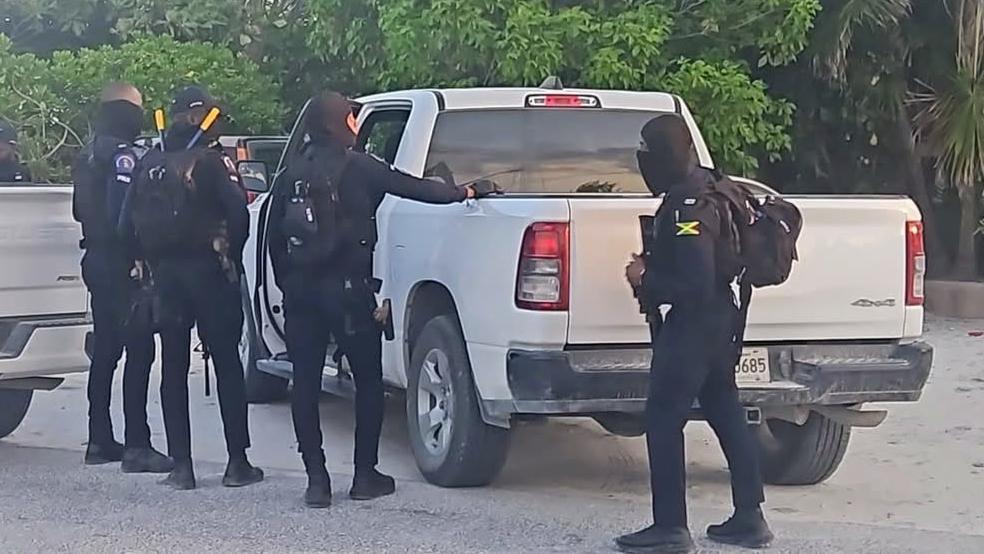
In response to the growing crisis, authorities have implemented several anti-crime measures. These include temporary curfews, stricter controls on alcohol sales, and increased police powers to conduct searches. Additionally, informal settlements suspected of harboring criminals have been targeted, with over 220 shanty homes demolished in August.
Tourism continues to be the backbone of the economy, contributing $250 million during the first half of the 2024-2025 financial year. Yet, not everyone benefits from this prosperity. Local reporter Wilkie Arthur highlights the issue of unemployment and lack of opportunities, which he believes drive some individuals toward crime.
“Many people don’t want to be in gangs, but they can’t find work,” Arthur explains. He points out that some gang members have legal status in the islands, and local youths are also involved. Blaming the entire problem on Haitians, he argues, is an oversimplification.
Arthur, himself an ex-convict who served 11 years in prison for a jewelry store robbery, now works to help others avoid a similar fate. He emphasizes the need for better support systems for young people, especially those without proper documentation.
Regional Trends and International Responsibility
The rise in gang violence is not unique to the Turks and Caicos. A 2024 United Nations report highlighted an increase in organized crime and lethal violence across the Caribbean. It cited factors such as drug production in South America, the availability of firearms, and the involvement of local gangs in activities like drug dealing, extortion, and election interference.
While the UK is ultimately responsible for the defense and internal security of the Turks and Caicos, the situation has sparked discussions about the extent of that responsibility. Premier Misick recently reached out to British Foreign Secretary David Lammy, urging him to visit and witness the challenges firsthand.
The UK has provided £9 million in security support over the past two years, including coastal surveillance, boats, and firearms officers. A Foreign Office spokesperson confirmed ongoing collaboration with local authorities to address security threats.
Looking Ahead
Turks and Caicos Tourism Minister Zhavargo Jolly acknowledges the concerns surrounding crime but emphasizes the efforts being made to restore trust and ensure safety. “The government, police, and community leaders are working together to make sure the Turks and Caicos remain a safe and welcoming place for all,” she states.
As the islands navigate this challenging period, the path forward will require a multifaceted approach that addresses both immediate security concerns and the underlying social and economic issues driving crime.