The Enduring Legacy of Vampires in Literature and Pop Culture
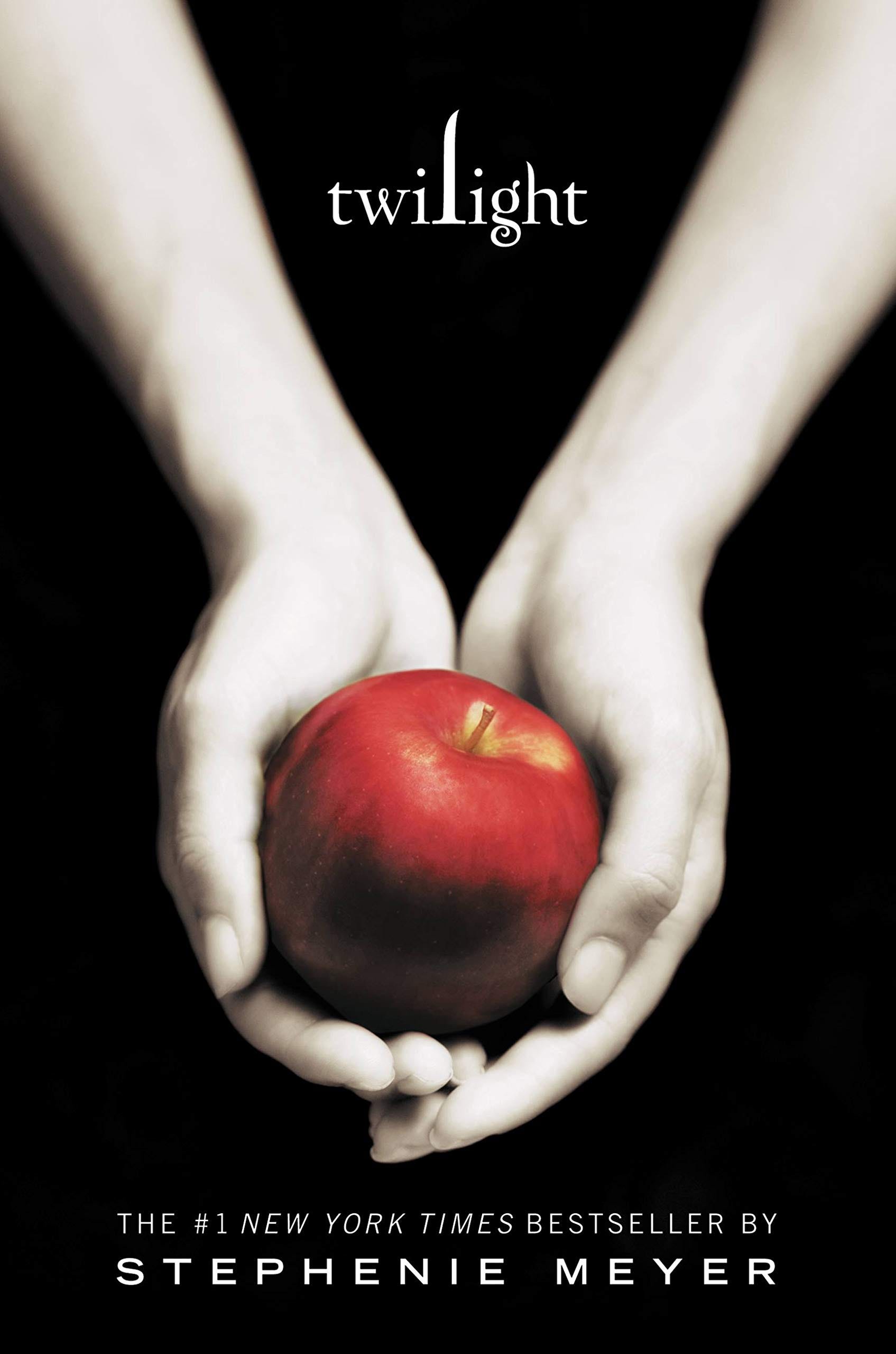
Dracula, Nosferatu, Carmilla. These names have been synonymous with the vampire genre for centuries. From the moment we began reading books, we’ve been both enchanted and terrified by these garlic-fearing creatures. However, when it comes to the mainstream impact of vampires, one series stands out above the rest: “Twilight.”
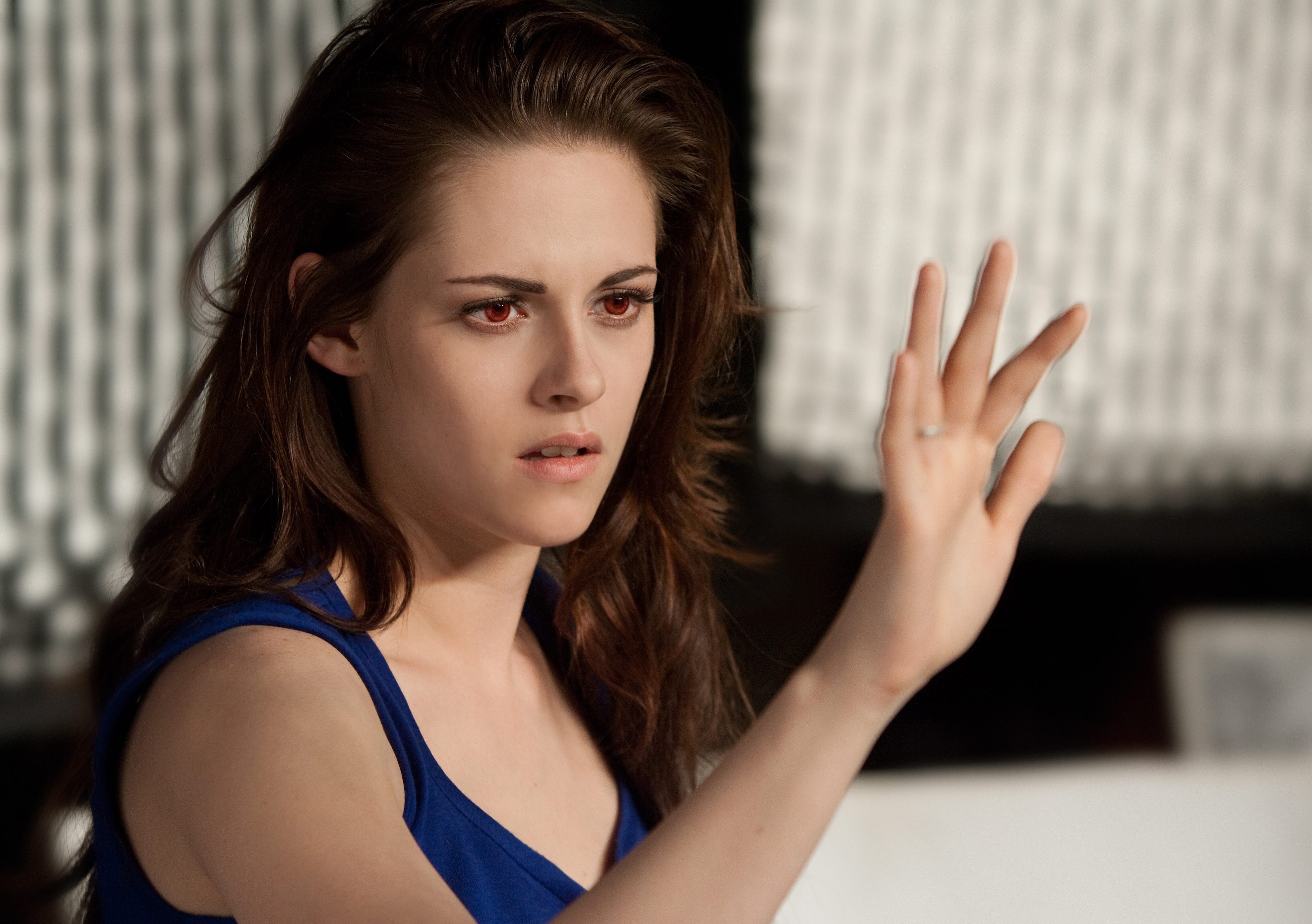
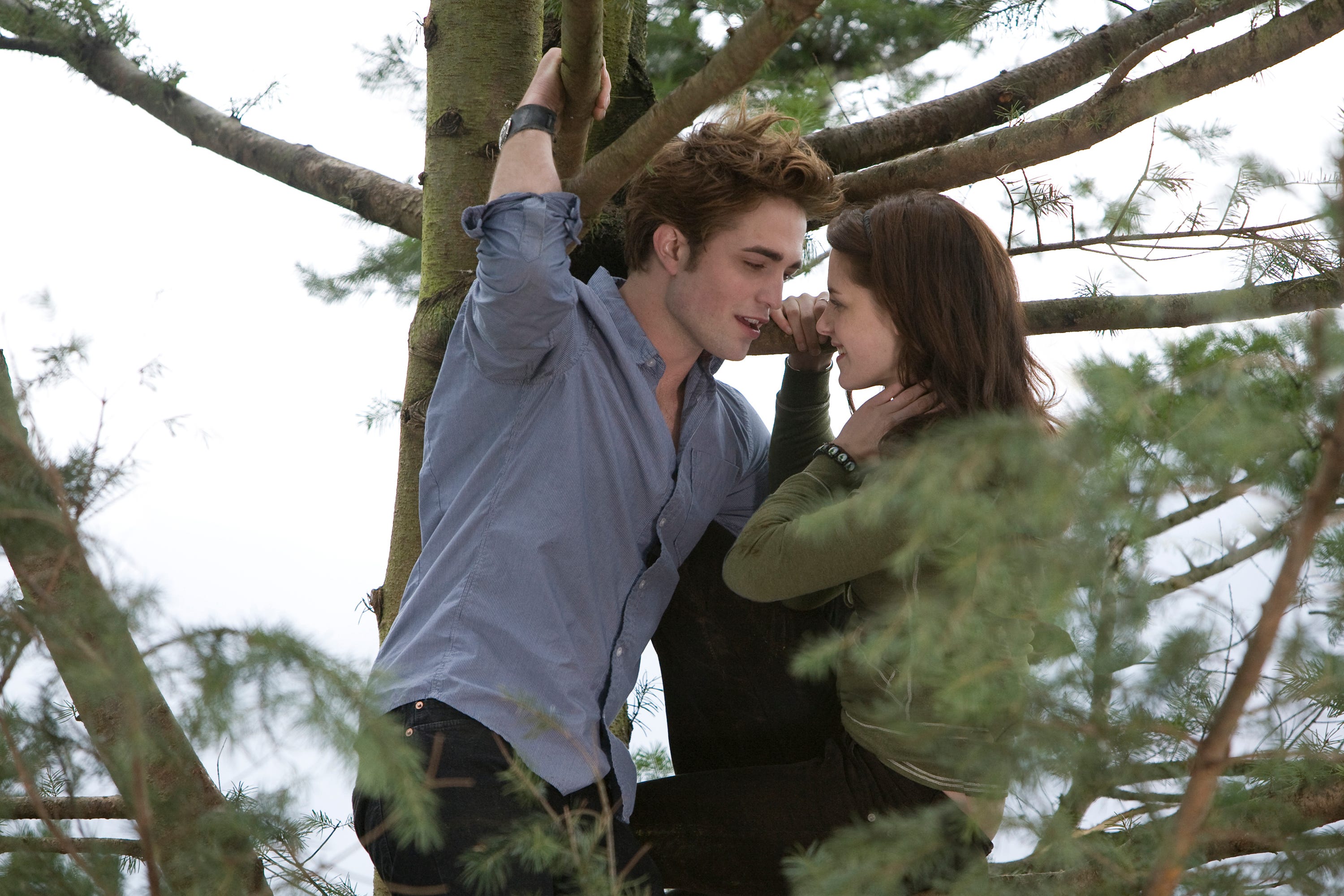
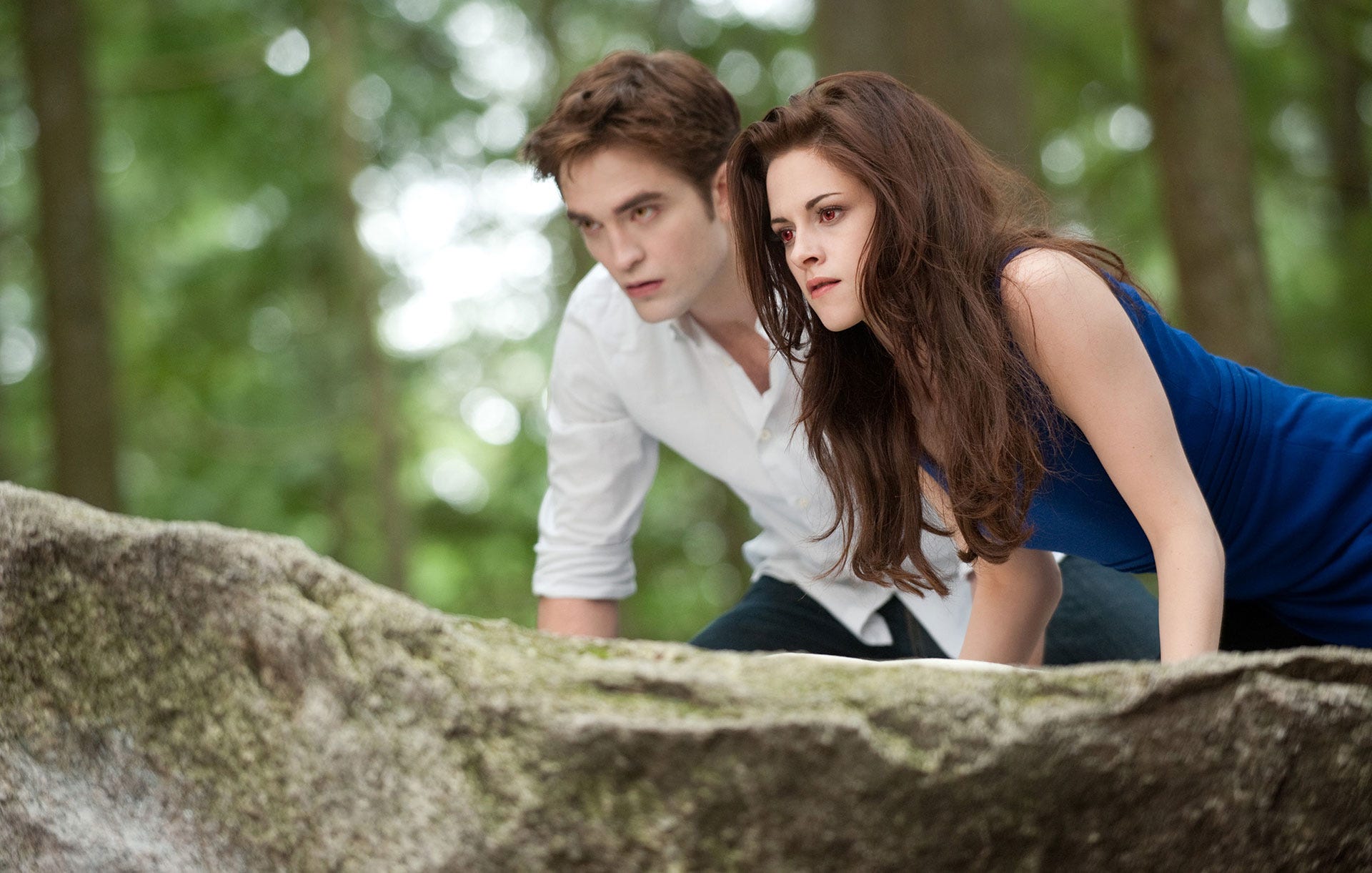
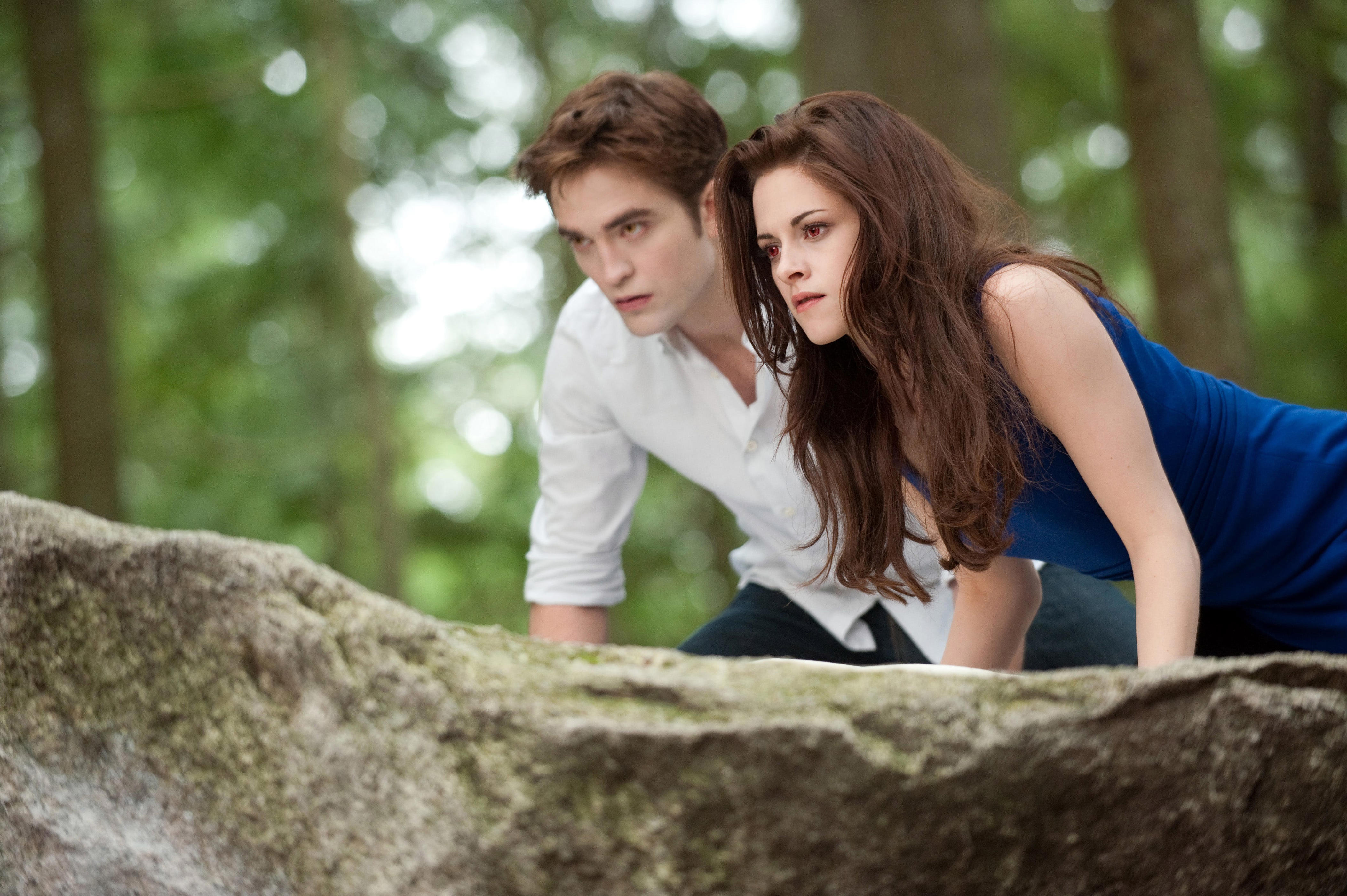
Stephenie Meyer’s paranormal romance series, which first hit shelves in October 2005, quickly became a phenomenon among teenagers and adults alike. The movie adaptations featuring Kristen Stewart, Robert Pattinson, and Taylor Lautner only amplified the already heated debate between Edward and Jacob fans.
But as with any media that gains massive popularity, “Twilight” wasn’t without its critics. Robert Pattinson, who portrayed the sullen immortal teen Edward Cullen, revealed in an interview with GQ Spain that he still faces backlash for his role in the series. He shared, “I love that people keep telling me, ‘Man, ‘Twilight’ ruined the vampire genre.'”
So, did “Twilight” truly ruin the vampire genre? The answer is more complex than it seems.
Did ‘Twilight’ Ruin the Vampire Genre?
Ashley Schumacher, author of the “Twilight”-inspired novel “Say It Out Loud,” once considered herself a literary “snob” in high school. When her classmates started carrying around “Twilight,” she found it ridiculous. However, she eventually gave in and became hooked.
Books marketed to female readers are often dismissed as low-quality or “fluff.” But Schumacher argues that “Twilight” has literary value worth discussing, even 20 years later. She compares it to Jane Austen, saying, “Jane would really like ‘Twilight.’ Jane would have had all of the merch. Jane would have been writing ‘Twilight’ fan fiction.”
However, not everyone was pleased with the series. Some vampire enthusiasts were turned off by the love story between a high schooler and a 100-year-old teenager. Others disliked the new vampire elements, such as their sparkly skin.
The Evolution of Vampires in Literature
Despite these criticisms, Schumacher points out that “Twilight” couldn’t have ruined the genre because vampire stories have always been a bit ridiculous. “The monsters have always evolved,” she says. “People were just pissed off that this one had romance. People were mad that (the vampires) were being de-fanged.”
Meyer explained that her vampires didn’t need fangs because of their indestructible physiques. Schumacher adds, “I don’t question it too much, because it’s just fun.”
How Vampires Tap Into Human Fears and Fantasies
Monster theory suggests that we use paranormal characters as a way to explore the dark side of the human condition. Karen Winstead, an English professor at Ohio State University, explains, “They are great stories that allow us to tap into fears, fantasies, desires, anxieties in what seems to be a way of displacing it.”
For example, Bram Stoker’s “Dracula” explored themes of race, religion, and gender. Sheridan Le Fanu’s “Carmilla” touched on homosexuality and female empowerment. The 1922 silent German film “Nosferatu” addressed existential fear and occultism.
Meyer’s “Twilight” was no different, with an intense, obsessive bond that became a catalyst for conversations about relationships. Winstead notes, “It was an early example of female-led young adult novels that let young girls see themselves as heroes and protagonists.”
The Empowerment of Young Readers Through Vampire Literature
Instead of being terrified of these menacing predators, vampire literature made us fall in love with them. For young readers today, the appeal can even border on self-empowerment.
Winstead says, “Young people are the protagonists, the victims, the heroes. And in modern vampire literature, you have either the vampire slaying story trajectory, where the vampires are the predators and they have to be defeated and killed, or the vampires are the romantic interests. And either way, the young people come out on top. It is their story.”
“Twilight” may have been the catalyst for the current wave of paranormal bestsellers, after it endeared the monster heartthrob to a new generation. TikToker and books commentator Kenzie Deerin, who was introduced to the series in middle school, says the vampiric tale sparked her love for the fantasy romance genre.
She reflects, “Looking back on it, I can acknowledge that it was definitely not the peak of vampire literature and there are definitely a lot of problems within the series. But I think the forbidden love and the constant back-and-forth between good versus evil is just very captivating to someone, especially when you are an adolescent trying to understand those things within a real-world perspective as well.”
The Cullens and the New Rules of Vampires
“Twilight” isn’t your mother’s Dracula either. Modern-day vampires are bending and breaking the rules of what classic canon dictates, inspired, in part, by Meyer’s sparkly-skinned heroes.
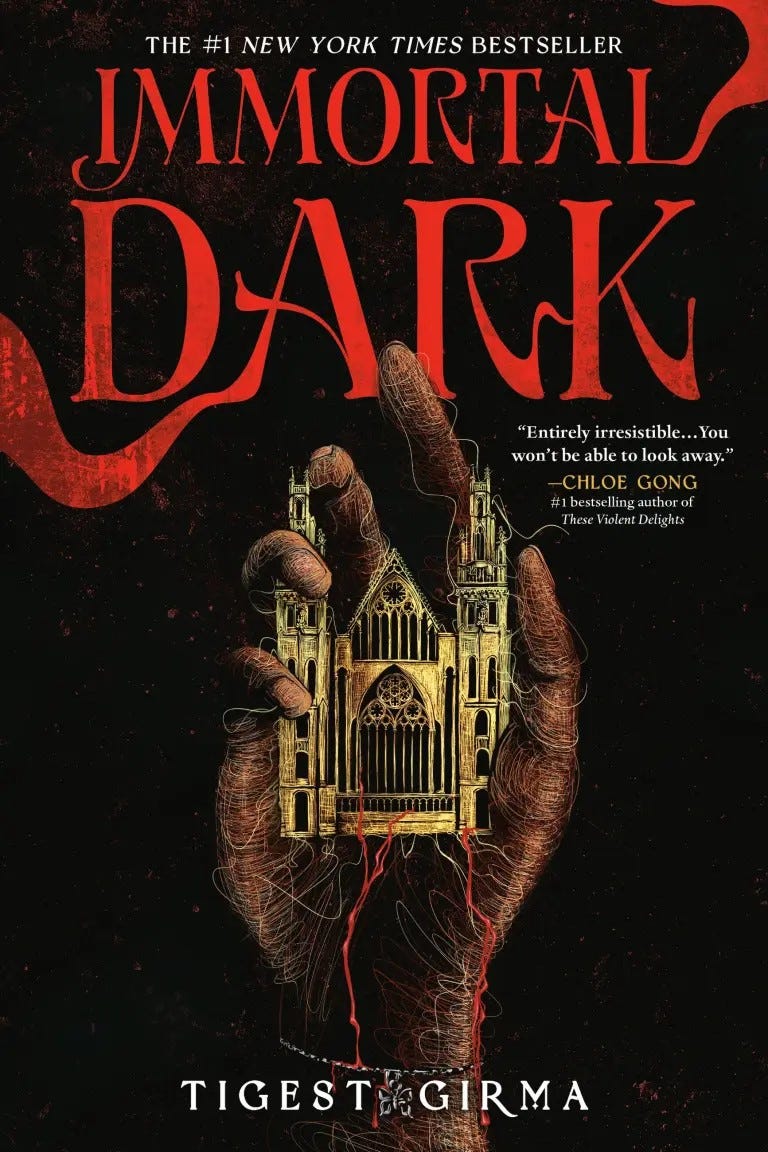
“Twilight” and “The Vampire Diaries” influenced Ethiopian-born, Australian-based author Tigest Girma to write 2024’s “Immortal Dark” and its upcoming sequel “Eternal Ruin.” She loved vampire stories growing up but never saw any that centered on Black vampires.
Girma says, “Vampires have always been white; they come from Romania, they come from Dracula, those are the myths that we stick to. And then I started trying to push back against this idea.”
She drew inspiration from native mythology for her reimagining, which trades wooden stakes for animal horns and uses the sun as a source of power. The ultimate validation? She has the same publisher as “Twilight.”
Vampires and Queerness
“Dead & Breakfast,” an upcoming murder mystery by Kat Hillis and Rosiee Thor, follows the misadventures of vampire husbands Arthur and Sal. Thor says, “Vampires have always been really queer to me.”
In their book, they make the subtext the text. “Whether the authors or creators of those projects agree or not, all along queer people have been recognizing ourselves in these outcasts to society,” the author adds.
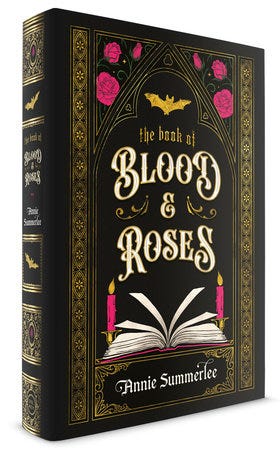
Author Annie Summerlee also found “Twilight” and the metaphor of forbidden, taboo love to be a way to “explore queerness even when I didn’t realize it.” Her upcoming “The Book of Blood and Roses” is an obsessive love story pulled straight from Edward and Bella’s playbook.
Now that vampire fiction is more prevalent, there is more space for LGBTQ+ characters to thrive, she says.
The Sparkling Future of Vampire Lit
The grown-up Twihard generation is also expanding the vampire lit canon, creating something of a multiverse in which new protagonists have a meta relationship with the touchstone series.
Schumacher’s “Say It Out Loud” is a direct take on the fandom culture birthed by “Twilight.” Her characters are cast to record an audio adaptation of a wildly popular vampire romance series that defined their teenage years, just like The Twilight Saga defined hers.
“It’s like your favorite songs from high school … that capture exactly where you were at the time. And what is it like to revisit that as an adult?” Schumacher says. “Are we all vampiring ourselves and we’re stuck as 17-year-olds because that’s when we all read these books?”
Hillis and Thor also pay homage to the cultural impact of “Twilight” in “Dead & Breakfast.” At one point in the novel, one of the characters orders a bottle of “glitter lotion,” so that he can “be his best Cullen self.”
But aside from providing pop culture easter eggs, “Twilight” has left the door wide open for culturally rich vampires, ones that reflect the worlds they were created in.
“I’m excited to see other people take on the mantle of vampires and do something unique with it,” Thor says. “Somebody write about vampires in space.”