The Rise of Microschools in Mississippi
GULFPORT — What was once a rare educational model, “microschools,” is now gaining traction across Mississippi. With about 50 microschools opening since 2020, the state is witnessing a growing interest in alternatives to traditional classrooms. This shift comes as lawmakers explore the possibility of expanding public funding for these nontraditional learning environments.
The increasing popularity of microschools is closely tied to ongoing discussions about school choice within the state legislature. Supporters argue that these specialized schools offer a lifeline for families seeking personalized education, while critics express concerns about potential strain on the state budget and the risk of diverting resources from underfunded public schools.
Diverse Models of Microschools
Microschool models vary widely, ranging from centralized homeschool programs to nonpublic schools with specific focuses. For instance, Gulf Coast Education Solutions in Gulfport operates as a nonpublic school with a specialized approach to education. These schools often cater to students who may not thrive in larger classroom settings.
The debate surrounding microschools includes determining which models would be eligible for public funding and what standards they must meet. As the next legislative session approaches, this issue is at the forefront of policy discussions.
A Personalized Learning Environment
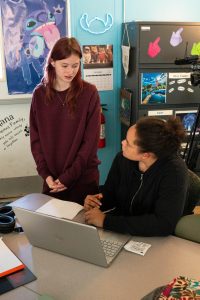
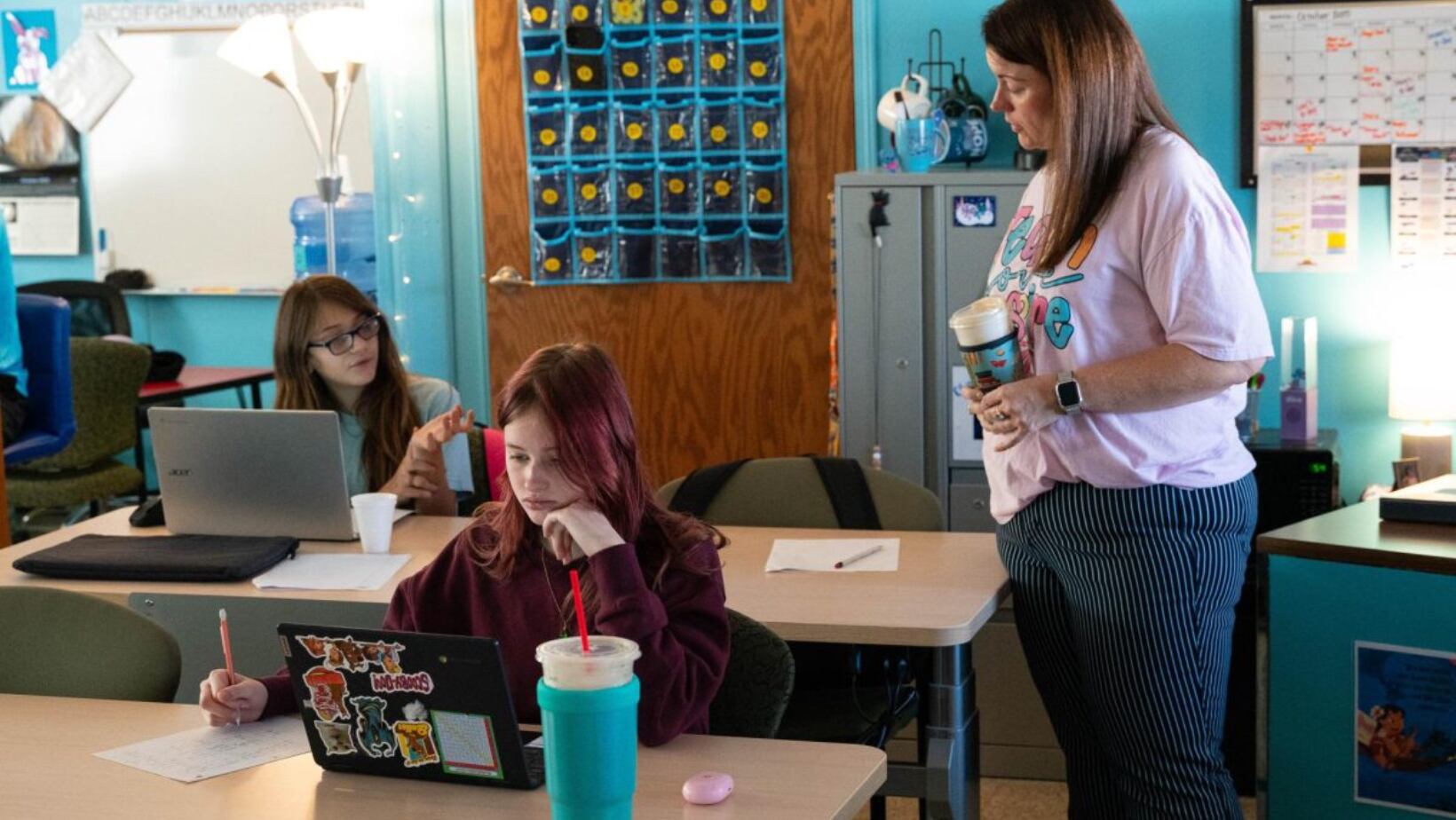
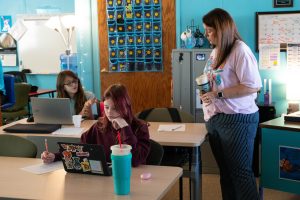
Inside Gulf Coast Education Solutions, the day is structured around small-group learning and one-on-one check-ins. Founder Angel Jones emphasizes that the school’s mission is to provide an alternative for students who have struggled in traditional settings.
“Our mission is to provide an alternative,” Jones said. “Most of our students here have tried going through public school systems, through other private school systems, and they just need something that’s a lot more individualized.”
The school serves 20 students aged 6 to 18, with 16 of them having disabilities or special education needs. Gulf Coast Education Solutions is unaccredited, allowing its three certified teachers—each trained in dyslexia therapy—to tailor lessons in reading, language, math, science, and history to meet each student’s unique needs.
Parental Involvement and Success
Student progress is tracked through assessments and report cards, but Jones believes parent feedback is one of the strongest indicators of success.
“I always say the parent knows their child best,” Jones said. “They know what works for them and what doesn’t, and so they’re an invaluable resource when you’re trying to develop an individualized plan for that child.”
Judy Cowart sought out Gulf Coast Education Solutions for her daughter, Abbigail, after she was diagnosed with autism, cognitive impairment, and dyslexia. “The public school was not too kind to us,” Cowart said. “We found this school, and she just started excelling.”
Now 15, Abbigail credits the smaller setting and multiage classroom for her academic growth. “You don’t really learn much in public school, but when you’re here, you learn way more—your brain starts clicking,” she said.
Expanding Options for Families
Brittany Buchanan also turned to Gulf Coast Education Solutions for her children, who began in the school’s on-site therapy clinic before transitioning into the classroom. “(My daughter is) actually excited to come to school,” Buchanan said. “It’s huge, and I couldn’t tell you that I could provide that (without outside support)—especially having multiple children.”
For families like the Cowarts and the Buchanans, tuition is made possible through Mississippi’s current Educator Scholarship Accounts (ESAs), which support students with active individualized education programs provided by public schools. Now, lawmakers are considering whether to expand ESA eligibility and where the funds can be used, potentially opening programs like Gulf Coast Education Solutions to more families.
Legislative Debates and Challenges
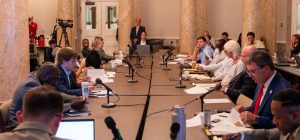
Two bills failed last session: one that would have allowed students in D- and F-rated districts to use public funds at other schools, and another that would have broadened eligibility for special-needs ESAs. House Education Committee Chairman Rob Roberson emphasized the need to balance flexibility with oversight.
“We have got to take these regulatory items and all of the testing and all of the things that we’ve done to our public school system and free them of that,” he said. “I think that giving public schools, private schools—these specialty schools—the opportunity to compete in a marketplace for what’s best for these children… is the beauty of this.”
Roberson noted that universal expansion appears unlikely due to cost considerations. “It’s awfully expensive to open this up to the masses at this point—a minimum of an additional $300 million more dollars just to cover the people that are already in private schools,” he said.
Accountability and Standards
At a recent hearing, supporters argued that school choice gives families more freedom, especially those in struggling districts. Critics warned it could siphon money from public schools and create a two-tiered system.
Kim Wiley, an education policy analyst, pointed to Arizona as a cautionary tale, citing rapid ESA expansion leading to a steep budget deficit and concerns over misuse of state funds. She urged Mississippi lawmakers to set testing, reporting, and fiscal standards if the program expands.
School-choice advocate Erika Donalds highlighted Florida’s ESA program, which she said created competitive pressure that improved public schools and spurred alternative providers. Florida also requires standardized testing, which she cited as accountability.
Future Directions
Under Mississippi’s current ESA program, participating schools must submit assessments of academic performance. Roberson said guidelines to ensure student safety and prevent fraud will be necessary under any new legislation, though lawmakers are “leaving everything on the table.”
“We can’t have a system that doesn’t have any checks or balances, but on the same token, I don’t want to handcuff our parents, and I don’t want to handcuff our children,” he said.
Jones emphasized that Gulf Coast Education Solutions works to ensure parents have more control and educators have freedom to do what’s best for their students. While she supports regular assessments of academic progress, she feels her microschool should remain primarily accountable to parents—not the state.
“I feel like the families know when their kids are learning and when they’re not,” she said. “I feel like as long as I’m accountable to the parents, and I can show the progress, I don’t need to be accountable to anybody else.”