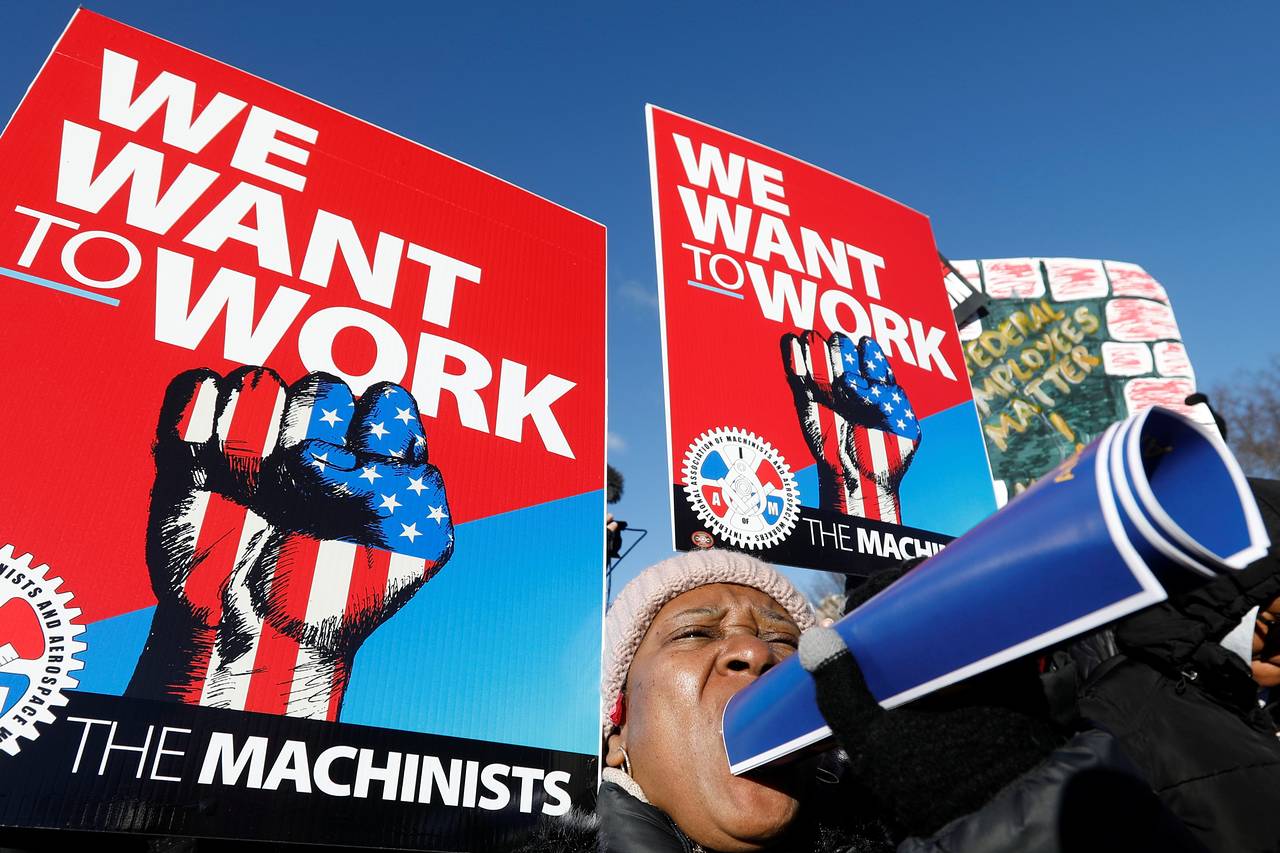
Understanding the Impact of the Government Shutdown on Federal Workers
As the government shutdown enters its second week, federal workers are facing uncertainty regarding their pay. A recent memo from the Office of Management and Budget, reported by Axios, suggests that federal employees might not receive back pay for days they were furloughed. This policy was introduced during the 2019 shutdown under President Donald Trump’s administration.
The White House claims that for workers to be paid, Congress must allocate specific funds for this purpose. However, this interpretation is being challenged by many, including Senator Patty Murray, who called it “another baseless attempt to try and scare” federal workers.
This situation follows threats of mass firings from the White House last week. In response, unions representing federal workers have filed an emergency request with a federal judge to prevent any mass firings during the shutdown.
The Situation for TSA Agents
TSA agents, considered essential workers, are continuing their duties without pay. Hundreds of them have been calling in sick as they enter their second week of work without compensation. They are scheduled to receive a partial paycheck on Friday, and if the shutdown continues, the first missed payment will occur on October 24.
Practical Insights for Career Growth
If you’re feeling stuck in your career, there are several ways to grow without quitting your job. One approach is to edit ruthlessly before sending any communication. Additionally, tips to combat the rise of AI “workslop” can help you stay ahead.
AI fluency is becoming a crucial skill for leaders. Developing this ability can set you apart in today’s competitive job market.
Analyzing the Jobs Data Amid the Shutdown
The ongoing government shutdown has affected the Bureau of Labor Statistics, which did not publish its usual monthly jobs report. However, data from private research firms can provide insights into the labor market.
Private sector job numbers show a cooling trend. For example, the ADP report indicated that the private sector shed more jobs in September than in any month over the past two years. This trend reflects a “low hire, low fire” narrative, making it challenging for both unsatisfied employees and job seekers.
Layoffs slowed in September, according to Challenger, Gray & Christmas, but hiring plans remain stagnant. Employers are planning to hire fewer employees this year than in previous years.
Retirement and Work Trends
Muara Digital Team analyzed 1,000 U.S. locales to determine the 25 best places to retire. Factors considered included climate change and access to healthcare professionals.
In addition to new policies affecting H-1B visas, the administration has proposed changes that could impact foreign employees and universities. Some schools would face significant challenges in hiring foreign staff and recruiting graduate students.
Career Shifts and Leadership Roles
Herriot Tabuteau, inspired by his childhood experiences near hospitals, initially pursued a career in medicine. However, witnessing burnout among his professors led him to switch careers and eventually become a billionaire through his involvement in Axsome Therapeutics.
Frank Bisignano now holds dual roles as head of the Social Security Administration and as “CEO” of the IRS, a newly created position that oversees the agency’s operations.
Workplace Compliance and Remote Work
As companies encourage employees to return to the office, compliance issues are emerging. However, European workers are unwilling to accept pay cuts for remote work, according to Bloomberg.
Key Statistic
4 in 10 physicians now have a side gig, according to a new survey. This increase is linked to rising burnout and limited career growth opportunities.
Video Insight
Watch this video to learn why every great CEO is a “prompter” and how you can adopt this approach.
Quiz
Which of the following is one of the reasons the most effective leaders are also the “laziest?”
A. They build teams that don’t need them
B. They protect their time to think
C. They focus on outcomes, not optics
D. All of the above
Check if you got it right here.