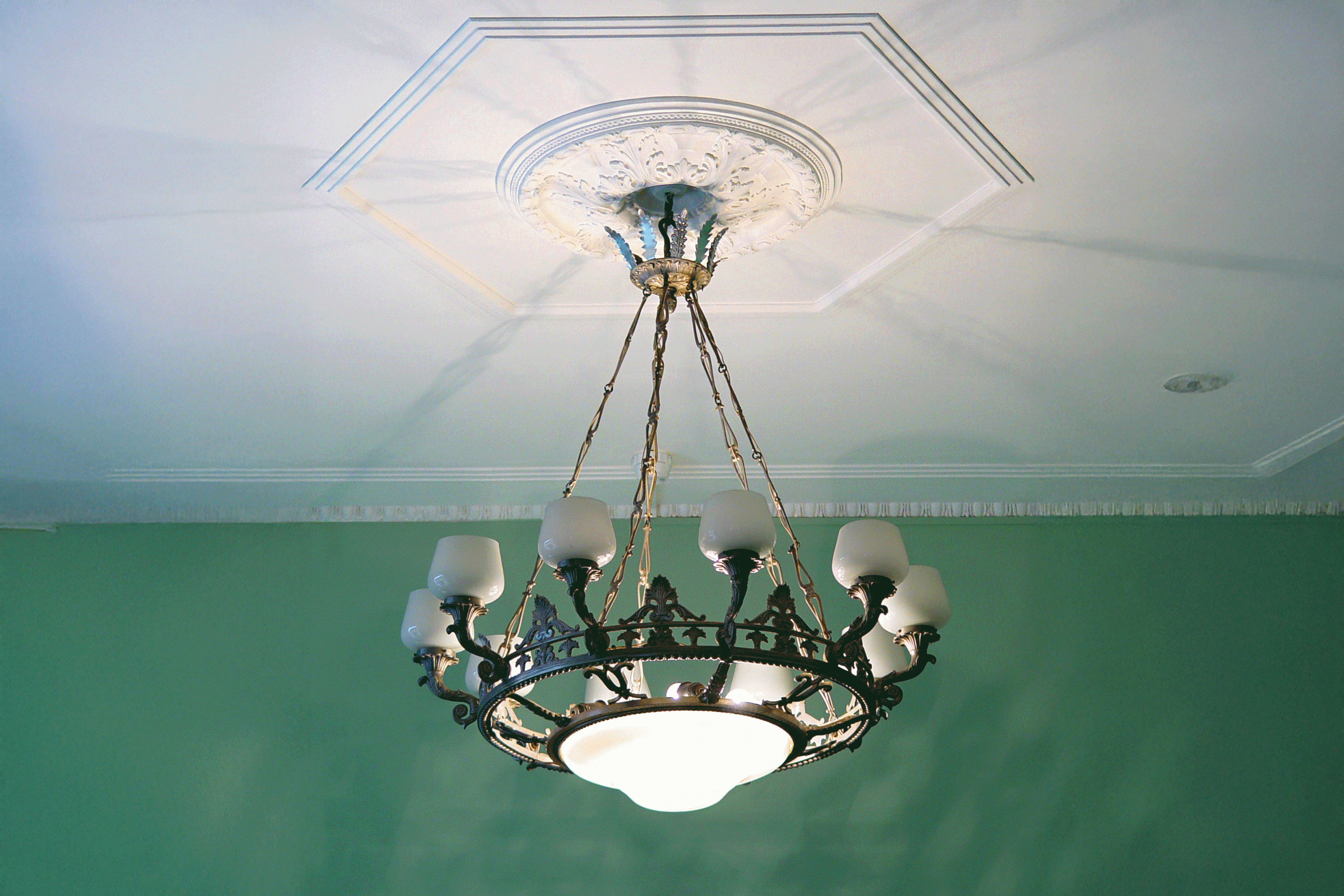
That annoying flicker could indicate a bigger problem.
A lamp, wall fixture, or overhead light that flickers might appear innocuous. Indeed, the flicker could be so slight that you hardly register it initially. However, you shouldn’t dismiss flickering lights. Electricians understand that even a faint blink can indicate a range of issues, from aunsafe electrical connections due to a detached lightbulb. And in historical homes or those without GFCI-protected outlets near faucets, flashing or blinking lights could mean that something is going awry behind the walls. Experts say it’s best to avoid the risk and take flickering lights seriously when you spot them.
Common Problems That Cause Flickering Lights
Not all flickering means your home is facing an electrical meltdown. But take the signal as something worth investigating. A simple solution could be tightening a bulb. If that doesn’t work, the electrical issues could be serious enough to require a licensed electrician. Understanding the most common causes can help you determine whether all you need is a quick fix or a call to an electrician.
Faulty Bulbs
One of the most overlooked causes is a loose bulb. If it’s not screwed in properly, you could see a visible flicker. “A light bulb that isn’t completely and securely screwed into the socket, or a fixture with a loose connection, can cause intermittent flickering,” explains Ben Kolo, owner of Mr. Electric of Central Iowa, a Neighborly company. Also, always use the correct type of bulb for your fixture. For example, if you’re using a dimmer, be sure to pair it with a bulb also labeled as dimmable.
Faulty Switches or Outlets
If flickering is triggered when you touch the light switch, there may be a faulty outlet. “If a lamp flickers in one outlet but not another, the original outlet may be the problem…If the light switch is loose, causes fluctuations when touched, or crackles, it likely needs replacement,” says Daniel Mock, vice president of operations for Mister Sparky, one of the U.S.’ largest consumer electrical franchises. Replacing the hardware usually solves the problem, but it’s a job best handled by a professional for safety reasons.
Overloaded Circuits
Mock says that overloaded circuits happen when a circuit is handling more electricity than it was designed for. “This can lead to overheating, tripped breakers or even fire hazards,” he says. This may happen when lights are on the same outlet or power strip as major appliances like a washing machine or microwave.
Loose Wiring
Loose or faulty wiring is hard to see because it’s encased behind the walls. It can occur anywhere from the fixture to the breaker panel, which can be particularly frustrating to fix. It could be caused by natural wear and tear from long-term use, as well as pests or rodents. Even improper installations can compromise the stability of your electrical system over the long term. “If the flickering happens throughout the home, it could be a sign of a loose neutral wire or a problem with your main electrical panel,” says Denis Davids, Home Alliance Membership Concierge. This situation can create dangerous voltage imbalances that risk damaging electronics or starting fires.
Power Surges
Brief spikes in electrical voltage are called power surges. While they usually are very brief, they can cause lasting damage to appliances and electrical hardware. Sometimes surges are linked to utility grid problems, but the problem could also be localized to a malfunctioning outlet or appliance. Mock says surges not only disrupt lighting but can also shorten the lifespan of electronics. Install a surge protector strip for the short-term, but consult an electrician for a long-term fix.
Why It’s Important to Address Flickering Lights
A one-off flicker is probably nothing to worry about. Just tighten the bulb and check that the lamp is plugged in correctly. But anything recurring or worsening is a red flag.
Electrical systems don’t heal themselves. Small issues become worse when ignored. “Problems like loose connections, overloaded circuits, or shared neutrals can pose fire hazards if left unresolved,” Davids says. “It’s not always possible to tell how severe an issue is just by looking at the lights … In built-in lighting, issues like loose wiring at the switch or connections inside junction boxes are common.”
When you notice flickering lights, taking heed quickly can prevent damage or danger. “Persistent flickering can be an early warning sign of serious electrical issues,” Mock says. “If basic troubleshooting doesn’t solve the problem, the safest course of action is to call a licensed electrician right away. Ignoring it could mean overlooking an electrical hazard that puts your home at risk.”
What You Can Do About Flickering Lights
Start with simple checks. Tighten the bulb, replace it with a new one, and confirm it’s the correct type for your fixture and switch. When using a dimmer, ensure the bulb is marked as compatible. To figure out if the problem is the lighting itself, move the lamp to another room and try a different outlet. If the flicker follows, then the issue is the lighting apparatus. If it goes away, then the issue is probably within the walls.
If you notice flickering across multiple rooms, hear buzzing, smell burning, or experience surges, skip the DIY fixes and call a professional electrician. They can tell you whether you should turn off the circuit breaker, unplug everything, or simply wait until the local power grid restabilizes.
Look for licensed professionals with solid customer reviews, clear pricing, and experience in residential troubleshooting in your area. Many local contractors offer emergency services. Acting quickly restores consistent lighting and safeguards your home and everyone in it.
Read the original article on Real Simple