Ford’s Affordable EV Pickup: A New Approach to Electric Vehicles
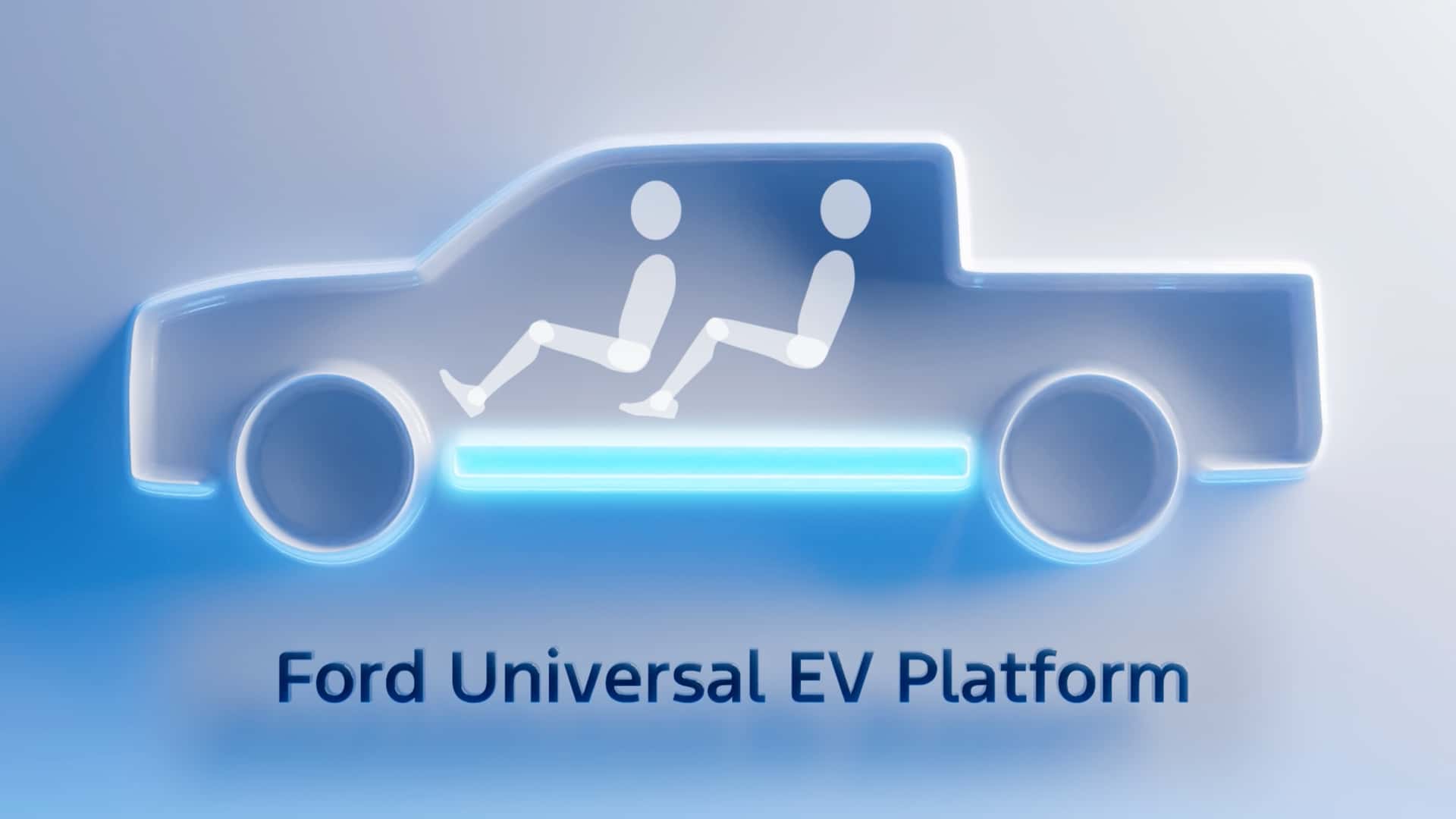
Ford is taking a bold step in the electric vehicle (EV) market with its new affordable pickup truck. Designed with affordability at the forefront, this model challenges traditional expectations of what an electric pickup should be. Instead of focusing on high towing capacity or long-range capabilities, Ford has chosen to prioritize cost-effectiveness and practicality for everyday use.
The company’s decision to skip the big battery is a strategic move aimed at keeping the price tag around $30,000. This approach allows Ford to offer an electric vehicle that is accessible to a broader audience without compromising on essential features. By doing so, the automaker is addressing the needs of potential buyers who may not require heavy-duty performance but still want a reliable and versatile vehicle.
Understanding the Target Market
Ford conducted extensive research to determine who would actually benefit from an affordable EV pickup. The findings revealed that many potential buyers are not looking for a vehicle primarily for towing or hauling. In fact, some may never use their truck for such purposes at all. This insight led Ford to focus on creating a vehicle that caters to lifestyle needs rather than just utility tasks.
Alan Clarke, the development boss of Ford’s affordable EV skunkworks program, emphasized that towing is less critical for smaller trucks compared to larger models. He noted that less than 25% of Maverick owners have ever towed a single time in the life of their vehicle. This statistic highlights a common trend among consumers who purchase vehicles equipped for specific tasks but rarely use those features.
Balancing Features and Affordability
Clarke compared the situation to families buying a seven-seater SUV for the third-row seat, which is often unused. Similarly, many truck buyers may not utilize the full towing capacity of their vehicles. Ford’s vision is to create a balance between functionality and affordability, ensuring that the vehicle can handle necessary tasks without sacrificing cost-effectiveness.
While Ford is not ignoring the importance of towing, the company acknowledges that it is typically infrequent. Common towing scenarios include hauling a boat or jet skis, rather than long-distance hauling. This understanding allows Ford to design a vehicle that meets the needs of most users without overcomplicating the design.
Utilizing Telematics for Better Insights
To refine their approach, Ford is leveraging telematics from its connected cars. This data helps the company understand how customers use their vehicles, including driving habits, charging patterns, and specific vehicle usage. These insights inform decisions about battery size, range, and other key features.
Although details about the battery remain confidential, estimates suggest that the truck will likely come with around 51 kilowatt-hours of usable energy. This is slightly less than the Tesla Model 3 RWD, but it aligns with Ford’s focus on affordability and practicality.
Emphasizing Lifestyle Over Utility
Clarke highlighted that EV buyers are increasingly seeking more utility in their vehicles. For many, the idea of using an EV for adventures and daily activities is appealing. Ford aims to position its new pickup as a capable lifestyle vehicle that supports various activities without the need for excessive features.
This shift in focus reflects a growing trend among automakers to create modular and tailored vehicles that meet specific customer needs. By avoiding unnecessary features, Ford can reduce costs and attract a wider audience.
Conclusion
Ford’s new affordable EV pickup represents a significant departure from traditional truck designs. By prioritizing affordability and practicality, the company is addressing the needs of a diverse range of customers. This approach not only makes electric vehicles more accessible but also redefines what it means to own an electric pickup. As the EV market continues to evolve, Ford’s strategy could set a new standard for future models.