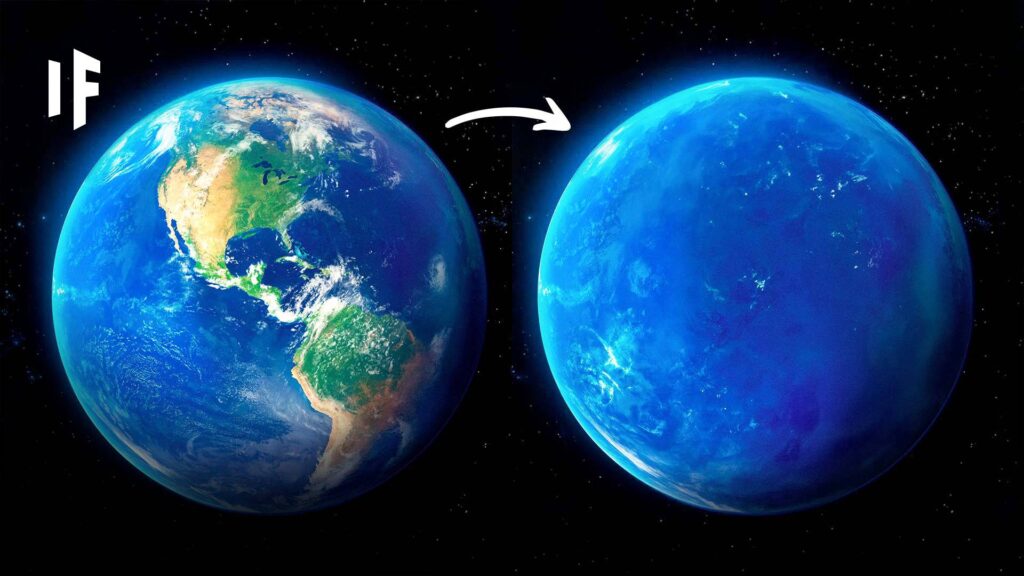
Earth is commonly referred to as the blue planet, with 70% of its surface made up of oceans. However, imagine if the other 30% of land vanished overnight. The results would be disastrous. Human existence, as we understand it, depends on land for survival. Total flooding would threaten every part of life, including cities, natural environments, and the continuation of our species.
Day 1: The Frost Begins to Thaw
The emergency would start with intense heatwaves, destructive wildfires, and severe storms. These situations would cause the quick melting of Earth’s ice. Even though current ice covers just 10% of the land, it has the potential to increase sea levels by 70 meters (230 feet) if it were to melt entirely. Cities along the coast, including New York, Miami, Tokyo, Lagos, and Rio de Janeiro, would be submerged. Well-known places such as London, Paris, Venice, the Maldives, and the Bahamas would be completely lost.
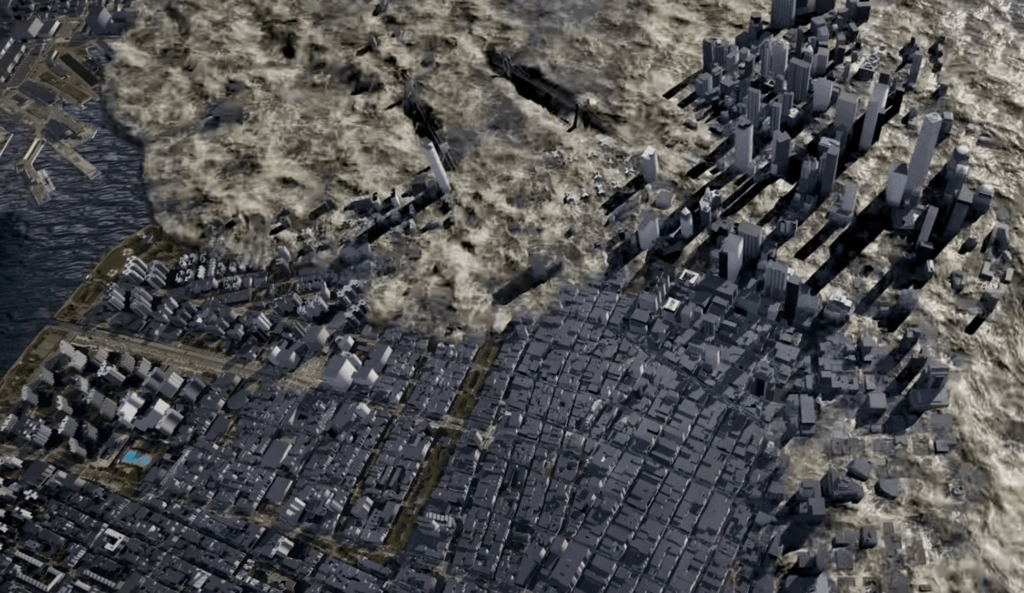
Emergency evacuation operations would not be able to match the speed of the rising waters. Even the most affluent countries trying to construct artificial islands would discover the challenge extremely difficult. Ultimately, one third of the global population might be eliminated within a short period.
Day 2: Turmoil on Earth
Survivors would experience widespread fear. Availability of food, water, and medical resources would diminish, resulting in aggressive confrontations. Highways would be congested as individuals attempted to move away from the affected area. Electrical systems would collapse, causing thousands to be without heat, nourishment, and security. As self-preservation becomes the priority, societal structures would disintegrate, and essential facilities would crumble.
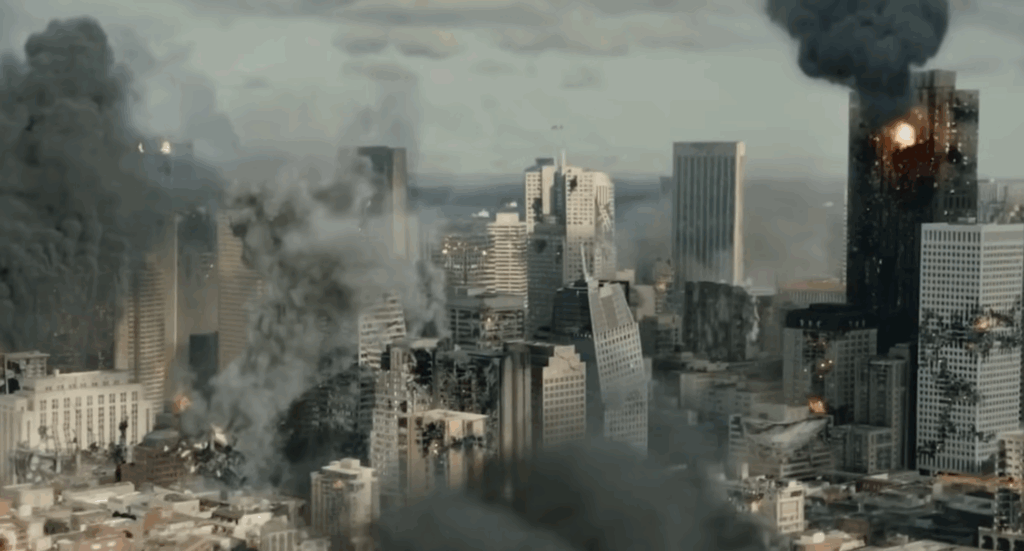
Healthcare facilities and emergency responders would be swamped, while communication systems would collapse, cutting off survivors from essential updates. Theft and conflicts over scarce resources would spread widely, prompting individuals to create small, independent groups to enhance their odds of surviving. Entire residential areas might quickly transform into empty, lifeless zones, resulting in a chilling scene of deserted urban environments.
Governments and humanitarian groups would face significant challenges in organizing aid, while local police would find it difficult to restore order amid the turmoil. The mental impact would be severe, leading to extensive trauma that creates a new era defined by fear and suspicion among those who survived.
Day 5: The Eruption of the Volcano
More than a million underwater volcanoes remain inactive under the seas. The rapid melting of ice and intense heat might cause these volcanoes to erupt at the same time. This could lead to earthquakes measuring eight on the Richter scale on every continent, causing structures to collapse and burying millions. Water stored in the Earth’s mantle, possibly twice the amount of all the oceans on the surface, would be released, increasing the rate at which sea levels rise.
Day 6: Ocean Waves and Additional Water Overflow
Gigantic tsunamis would flood the already ruined continents. Areas designated for evacuation would become places of widespread chaos, with no way to escape the waves. The mix of tsunamis and water released from the mantle would mean that almost all remaining land would be covered.
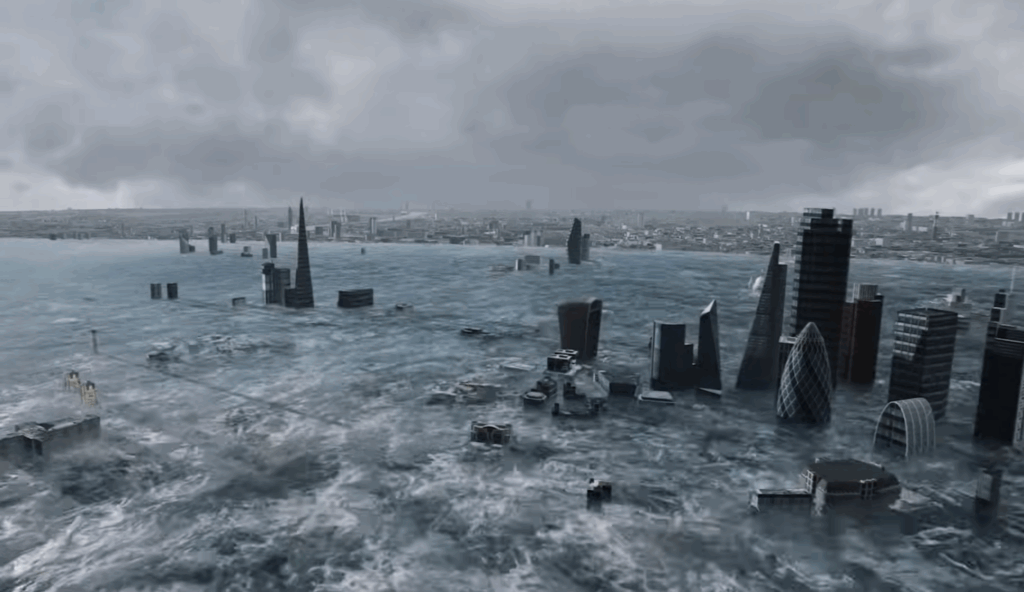
Marinas, ports, and coastal facilities would be destroyed, leaving those who survived without secure paths to escape. Entire river networks might flow backward or burst their banks, inundating areas that had initially avoided the rising ocean levels. The rapid and intense nature of the flooding would provide almost no opportunity for structured rescue efforts, increasing the human disaster. People holding onto boats or floating objects would struggle with hunger and harsh conditions, while powerful currents would dismantle whatever shelters were left. The unyielding power of the water would alter the shoreline and erase all recognizable features once known to people.
Day 7: A World Covered in Water
By the conclusion of the first week, all continents would be submerged, with just the highest mountain peaks remaining visible. The Earth would have officially transformed into a water planet.
Scattered groups of survivors holding on to high ground or floating remnants would endure ongoing exposure to the weather. Storms and unending rain would make existence dangerous, and efforts to rebuild would be extremely difficult. Mankind would come to understand that adjusting to a world completely covered in water would demand innovative approaches to housing, sustenance, and communal survival.
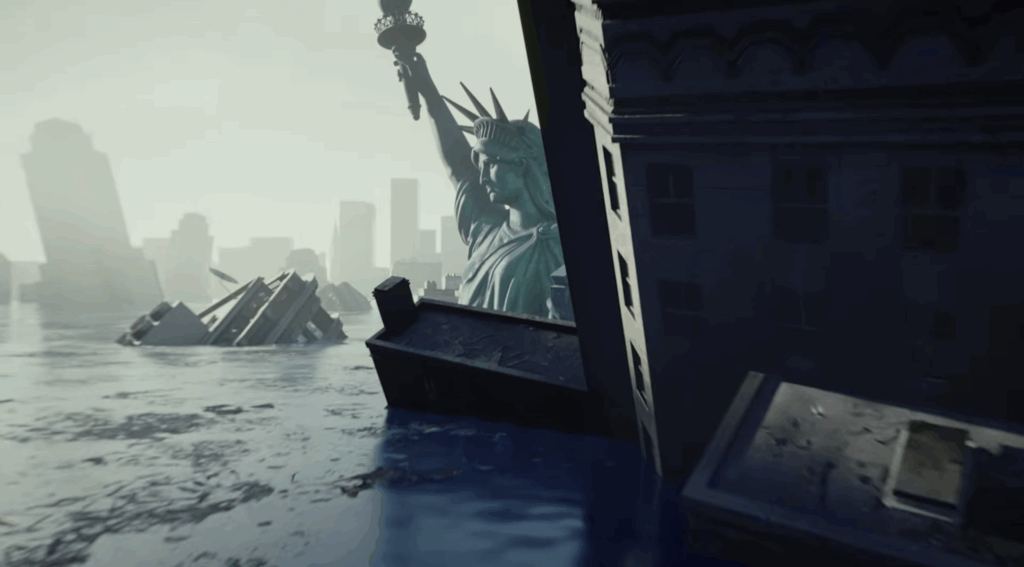
The emotional effect of losing all known environments would be significant, causing those who remain to battle for optimism. Sea predators might also present fresh dangers as people were pushed into the open ocean.
Day 30: A Fresh Administration
In the following months, remaining governments would strive to restore order, imposing military rule in the limited mountainous areas that remained. Strategic efforts would center on developing underwater living spaces. Nevertheless, creating these environments would be a gradual endeavor demanding international cooperation, resulting in most individuals having to manage on their own using floating platforms and makeshift dwellings.
Day 60: Mass Extinction
If all land were covered by water, plants and land animals would die. Forests, grasslands, and deserts would disappear, leading to the most significant extinction event in 66 million years. Marine life would also be in danger as changes in ocean chemistry make the water more acidic, harming creatures that build shells. The entire food chain would break down, endangering even whales. Throughout Earth’s history, there have been five major extinction events, and now humans would experience a near complete extinction.
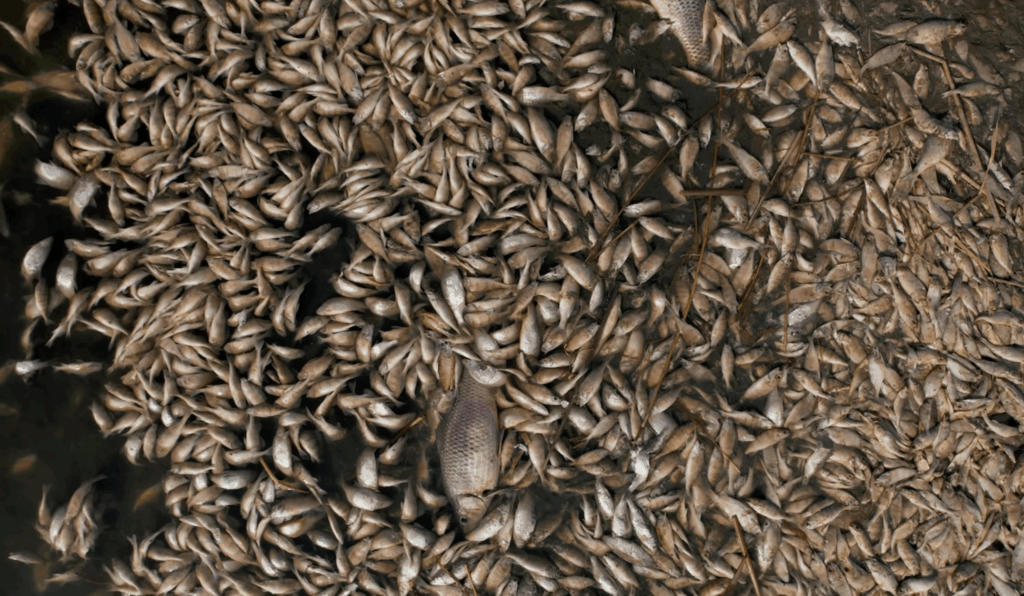
The disappearance of soil and plant life would eliminate any possibility of restoring land-based ecosystems. Freshwater sources would decrease as rivers and lakes vanished, leading to more difficulties in staying alive. Even the most adaptable species might have trouble finding sustenance or shelter, resulting in a planet that is strangely silent, with only the constant sound of the ocean remaining. Large-scale ecosystems that once flourished on land would be lost forever, while surviving creatures would fight intensely for the few habitats that remain. Humans would face the brutal truth that Earth would never be the same as the world we used to live in.
Day 765: Enduring the Emerging World
Two years following the melting of the polar ice caps, between 70% and 90% of species, including humans, would have disappeared. The small number of survivors would depend on floating platforms, vessels, and submerged living spaces. Desalination and oxygen generation systems would help certain groups, yet supplies would remain scarce. Illnesses and lack of proper nutrition would be widespread, and severe weather events would pose a greater threat on a world without landmasses to reduce their intensity.
Floating settlements would establish trade networks, cultivate algae as a food source, and strive to keep a form of societal structure. However, survival would continue to be unstable, with only the most adaptable or lucky individuals succeeding.
Year 200: The Last Battle of Humanity
After 200 years, the Earth would be unrecognizable. In the worst-case situation, humans might experience near complete extinction. In a somewhat more hopeful scenario, a few hundred thousand individuals could endure, living in floating and underwater communities. Evolutionary changes might develop, resembling characteristics observed in the Bajau and Monken populations, enabling humans to dive further and have improved underwater vision.
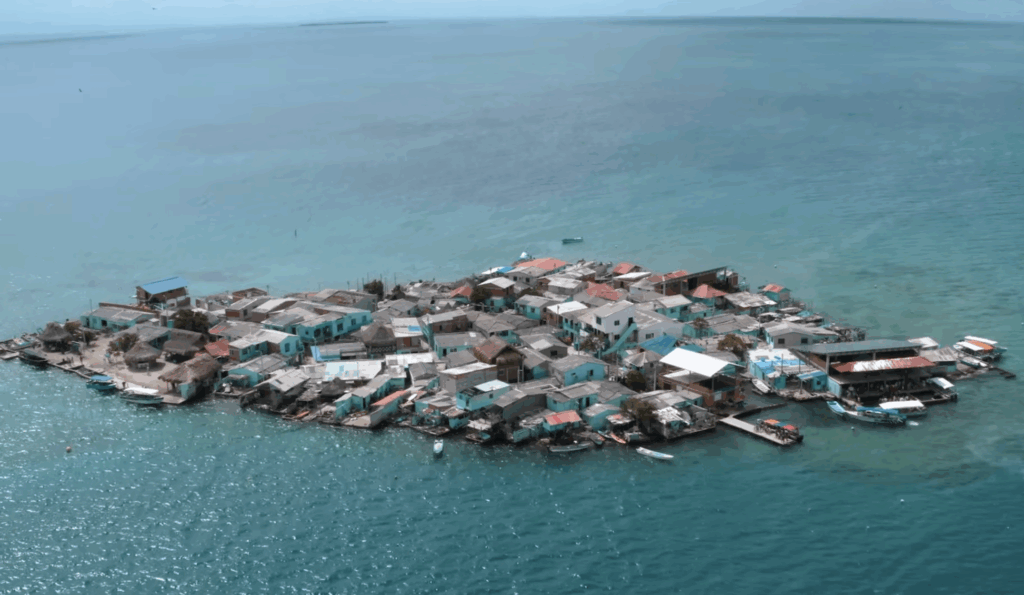
Nevertheless, even with these changes, long-term survival is improbable. High infant death rates would occur, malnutrition would remain a problem, and disputes over limited resources might eliminate the surviving group. Although humans originated from aquatic ancestors, our species is essentially suited for life on land. Without it, the chances of completely adjusting to a permanent ocean environment are low.
Although total submersion of Earth is an extreme possibility, it emphasizes the delicate equilibrium among land, ocean, and living organisms. If ice keeps melting over thousands of years, the transformation would be gradual, yet the effects on our world and its creatures serve as a clear warning regarding the effects of global warming.