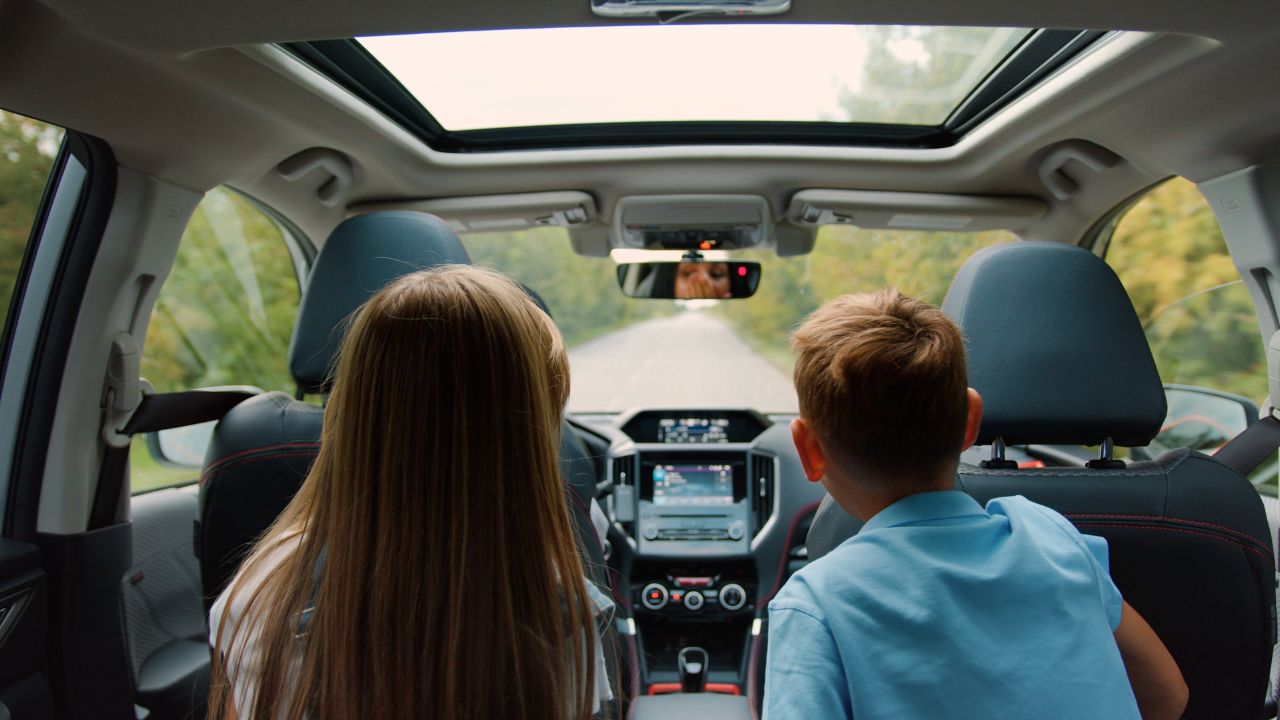
Do you recall when “back to school” simply involved new sneakers and a brand-new set of No. 2 pencils? Those times are history. Today, it’s more like getting ready for a nine-month road trip where your car serves as a school bus, a snack stand, and a mobile place for lost items. But at least we can enjoy some real car care along the way.
Your family vehicle is set to accumulate a lot of miles. From morning drop-offs, afternoon pickups, soccer practice runs, and those unexpected “I left my science project at home” trips, your speedometer will be spinning quicker than a dyno reading. It’s time to give that machine some attention.
A Roadmap to Readiness
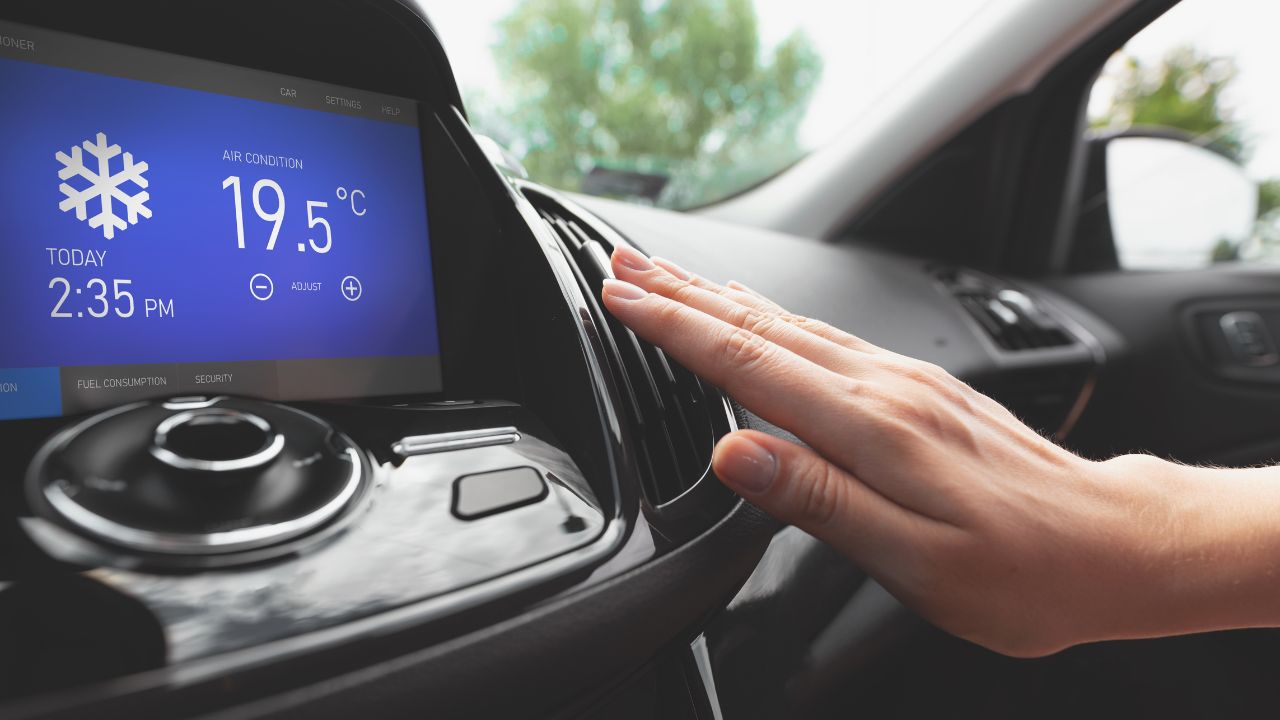
Getting ready for school goes beyond just knocking on your child’s door at 6 a.m. and pleading with them to get up. One of the most important elements we frequently ignore is your car (or SUV): the vehicle that will be transporting your child back and forth, taking them to after-school events, and carrying their sports gear. Preparing your car for the school year involves more than just a quick wash or filling up the gas tank. Families depend on stability throughout the school season, and the car plays a key role in that. When the vehicle is reliable, mornings are less stressful and evenings run more smoothly.
Your car is set to serve as a base for all sorts of items, ranging from lost lunch money to dirty shoes. It must be dependable, cozy, and well-organized so you don’t get frustrated when little Johnny says he has a form due tomorrow that’s been squashed in his backpack for three weeks.
Check Brakes and Tires for Everyday Safety
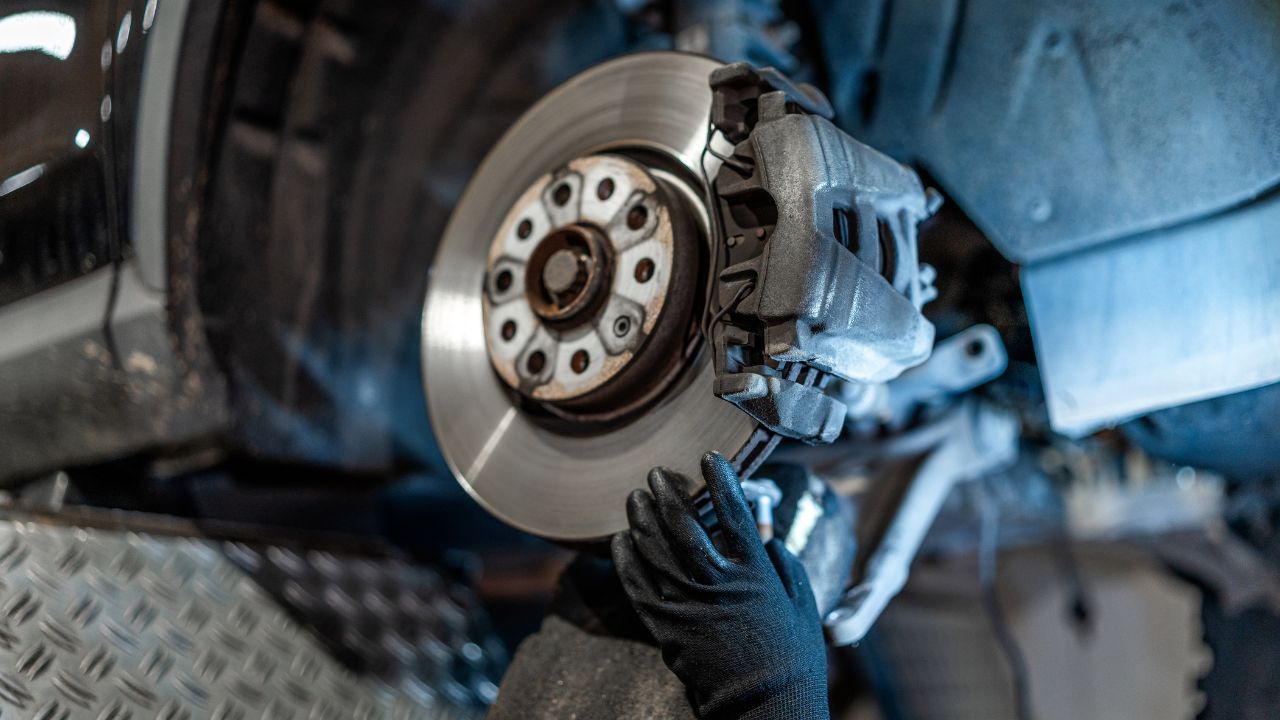
Here’s an interesting tidbit that’s not exactly thrilling: brake pads usually last from 25,000 to 70,000 miles, based on your driving habits and if you tend to treat every red light like the end of a drag race. Driving in school zones can be especially tough on brakes—frequent stopping and starting at 15 mph speeds can cause them to deteriorate quicker than expected.
Crawl underneath (or have a knowledgeable person inspect) and examine the thickness of your brake pads. If there’s less than 1/4 inch remaining, it’s time for a replacement. And seriously, don’t overlook that screeching noise. That’s not your vehicle attempting to harmonize with the radio—it’s the wear sensor alerting you that it’s time to install new pads before you face costly damage from metal-to-metal contact, which can also harm your rotors.
While you’re doing that, inspect your brake fluid. It needs to resemble honey, not chocolate milk. If it’s dark or cloudy, it should be replaced. Brake fluid takes in moisture over time, and having water in your brake lines is as unwelcome as a surprise test on a Monday morning.
Tires: The Single Barrier Between Your Family and Road Cracks
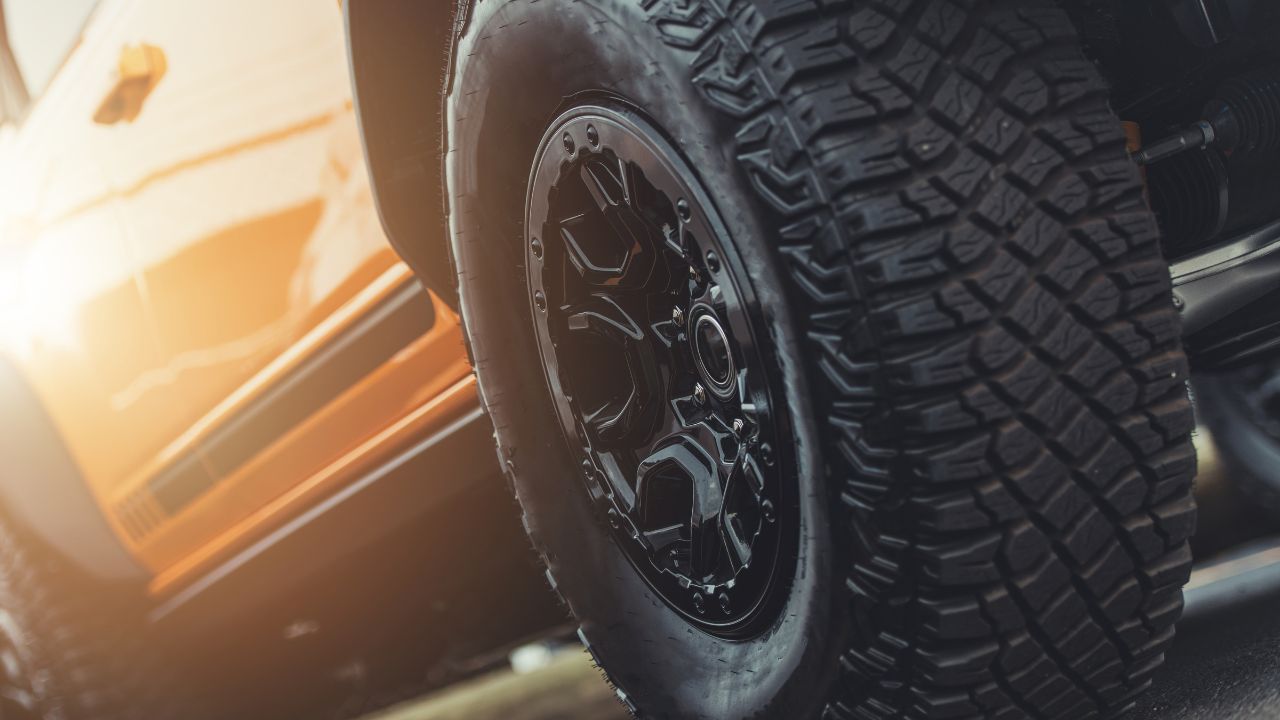
Your tires are doing the real job while you’re up there debating with the GPS over the quickest way to the high school football game. Give them some credit. Maintaining the right tire pressure isn’t only about saving fuel (you can save roughly 3% on gas by keeping your tires properly inflated) – it’s also about how well your car handles, how short your stopping distance is, and avoiding a flat tire while you’re carrying important items (like your child’s backpack, which you’re aware is actually hiding that failed test the teacher already mentioned to you).
Check the side of your tire for the suggested PSI and use a reliable tire pressure gauge, not the questionable one at the gas station that’s probably been kicked by countless angry drivers. While you’re there, perform the penny test to check the tread depth. Insert Lincoln’s head into the tire tread; if you can see his entire head, your tread is below 2/32″ and it’s time to replace the tires.
Here’s a lesson not covered in driver’s education: rotating your tires every 5,000 to 7,500 miles can increase their lifespan by as much as 20%. This is equivalent to adding an extra year to a set that typically lasts four years. Do the calculation: this means saving money that can be used for more essential expenses, such as coffee to keep you going until summer.
Fluids for a Smooth and Dependable Journey
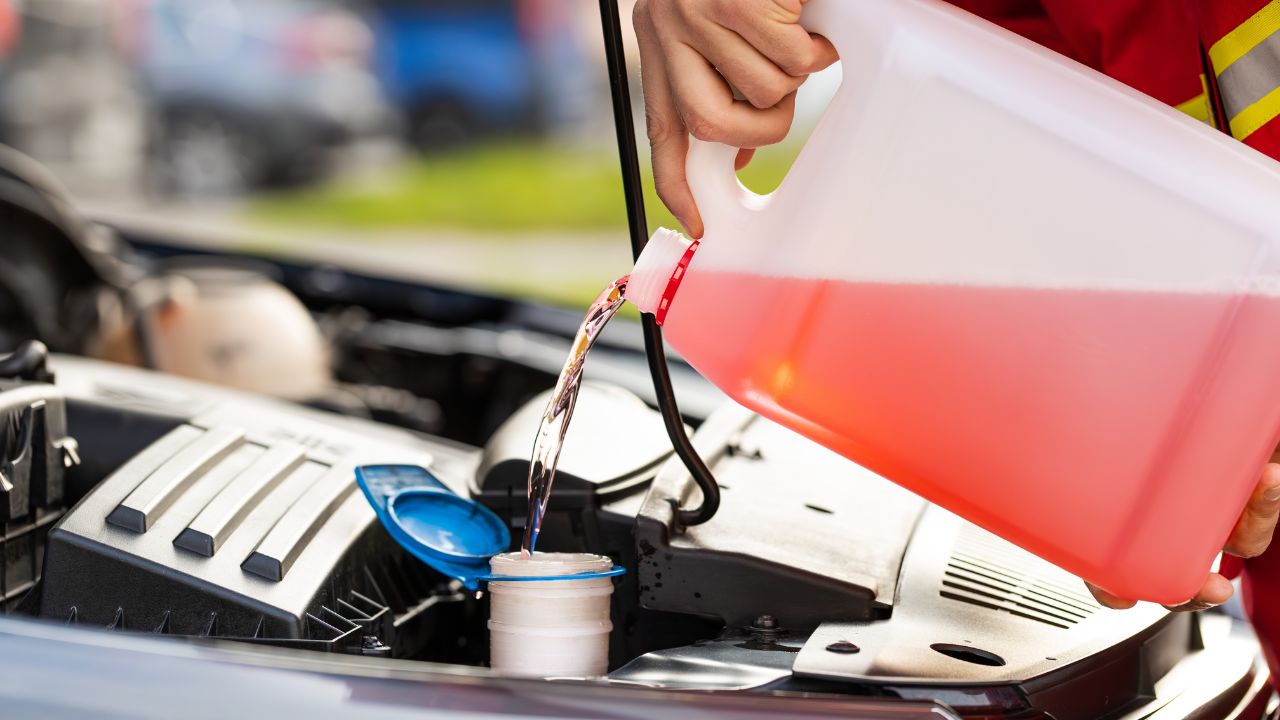
Oil changes aren’t just recommendations – they’re essential for your engine’s well-being. Today’s engines are more precise and efficient, yet they’re also more sensitive to being overlooked. Regular oil should be changed every 3,000 to 5,000 miles, while synthetic oil can last between 7,500 to 10,000 miles. However, driving during school season is particularly demanding. With numerous short trips, frequent stops, and idling in drop-off lines, your oil is under extra strain.
Coolant also needs your attention, particularly if you’re still using the original factory fill from three years back. A 50/50 blend of coolant and distilled water provides protection for your engine in temperatures ranging from -34°F to 265°F. Your transmission fluid should appear bright red and have a pleasant smell, not a burnt coffee-like odor. If it has turned brown or black, that could signal a $3,000 issue on the horizon.
Here’s a quick tip: power steering fluid is usually ignored until you find yourself struggling with the steering wheel as if you’re driving a ’70s muscle car without power assistance. Refill it and spare your shoulders the effort.
Arrange the Interior for Everyday Use
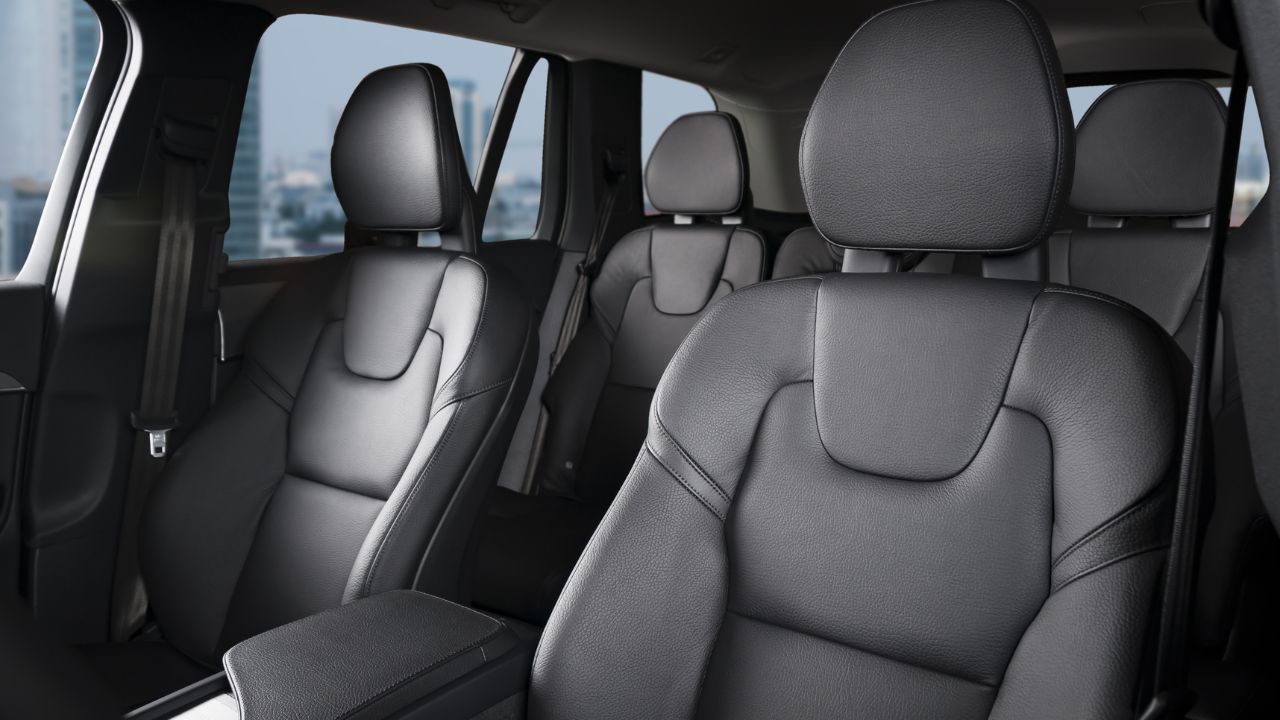
Do you recall when your car’s interior was as pristine as the display model? Those times have passed. Now it’s more like a moving control room mixed with a place where lost items accumulate. However, structured disorder is still preferable to complete disarray.
Seat-back organizers are a must-have – they keep tablets, chargers, and snacks easily accessible while stopping everything from tumbling out each time you turn a corner. A trunk organizer with compartments keeps sports equipment from turning into a moving drum set every time you hit the brakes.
Here’s the reality of car organization: children will likely disrupt it, but with a structured approach, they might actually stick to it. Perhaps. On fortunate days. When everything goes right.
Tip: hang a small trash bag on the back of a seat. It won’t prevent the unavoidable snack mess, but it will limit the spread. And please, get some weather-resistant floor mats. Your carpet will appreciate it when soccer time becomes mud season.
Check Illumination and Indicators for Visibility

Early autumn mornings begin with darkness and remain that way longer than you recall. Your headlights aren’t only for your benefit: they help other drivers spot you approaching, preventing your school commute from turning into a chaotic crash.
Modern halogen bulbs typically last around 1,000 hours, while LED bulbs can last 25,000 hours or more. HID bulbs fall in between, offering approximately 2,000 hours of use. If your headlights appear as if they’re shining through a foggy shower window, consider cleaning the lenses or replacing them. You can purchase a headlight restoration kit for roughly $20, or spend a few minutes using toothpaste (it really does work) to remove light oxidation.
Don’t overlook inspecting all your lights – including brake lights, turn signals, reverse lights, and hazard lights. That failed brake light may appear insignificant until you’re trying to explain to Officer Friendly why you didn’t indicate your intention to stop while your child is in the backseat.
Stocking Safety and Emergency Supplies
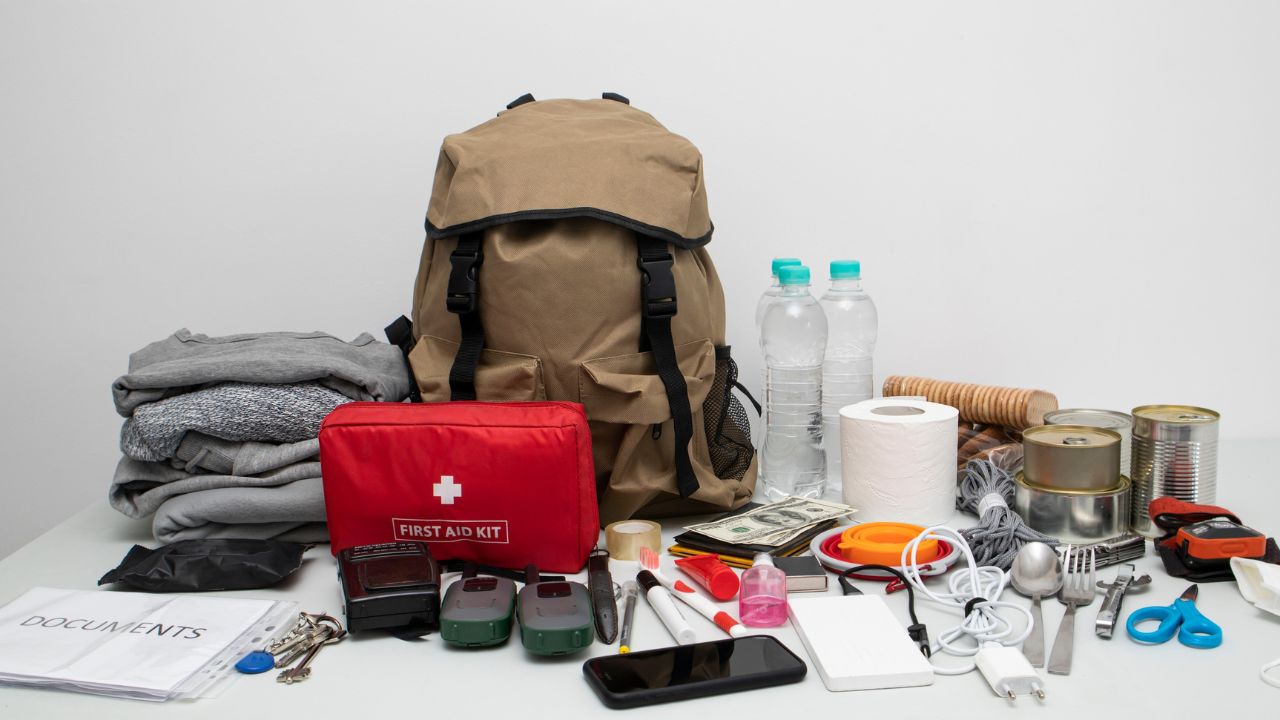
Every vehicle needs an emergency kit, but during the school season, it becomes a necessity. You’re not only accountable for getting yourself out of a situation – you have passengers who believe you can solve any problem with the power of parenting.
Your emergency kit should contain: jumper cables (as car batteries are notoriously bad at timing), a tire pressure gauge and 12V air pump, essential tools, warning flares or reflective signs, a well-stocked first aid kit, bottled water, non-melting energy bars, and a flashlight with new batteries.
Here’s what the online world doesn’t reveal: also include a roll of duct tape and a few zip ties. They won’t resolve every issue, but they’ll handle enough problems to ensure you get back home safely. Plus, add some wet wipes – I guarantee you’ll be glad you did.
Ensure Warmth and Climate Control for Enjoyment
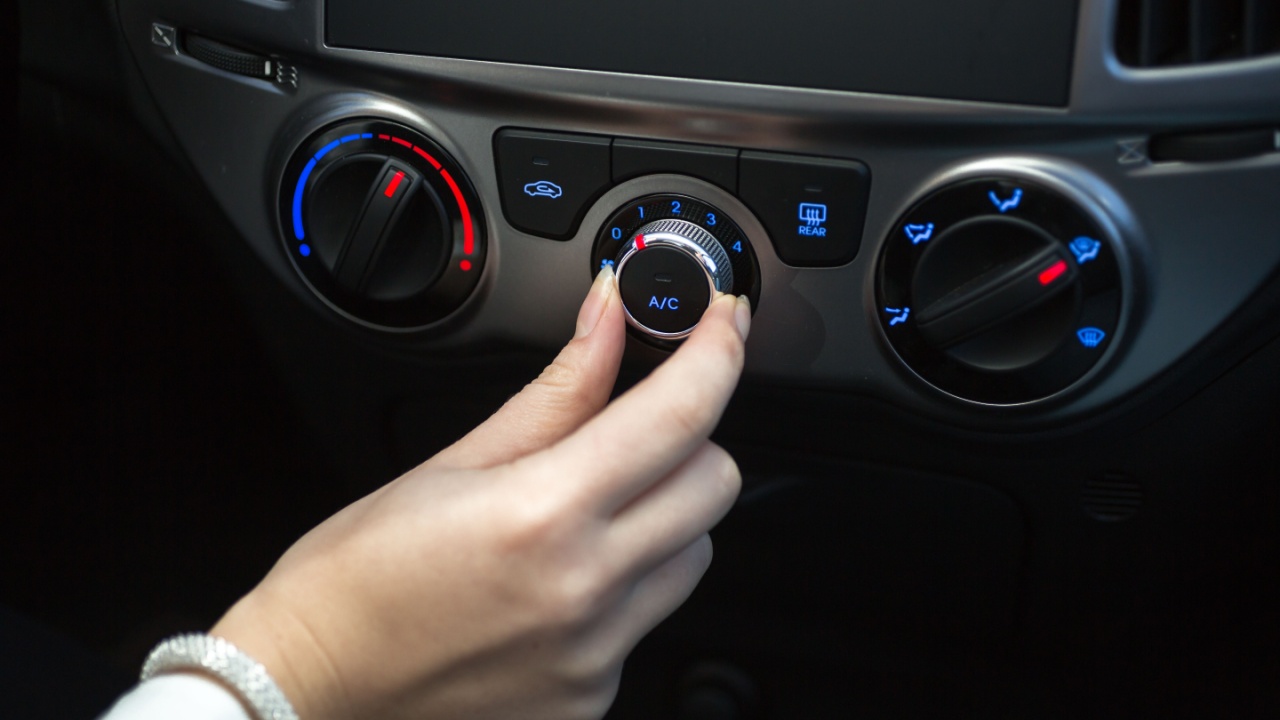
Nothing spoils a positive mood quicker than a car that’s like a sauna in September or an icebox in November. Your HVAC system is more active during the school season than a substitute teacher on a Monday.
Change your cabin air filter every 12,000 to 15,000 miles, or when it appears as dirty as the stuff you find in your dryer’s lint trap. A blocked filter forces your system to work harder and fails to remove the odors from whatever your children brought in on their shoes.
If your air conditioning isn’t providing cool air, verify the refrigerant level. Many systems naturally lose approximately 10% each year. A simple refill at a nearby service center is better than enduring heat while stuck in traffic on those unexpected 85-degree days in October.
Review Insurance and Essential Papers
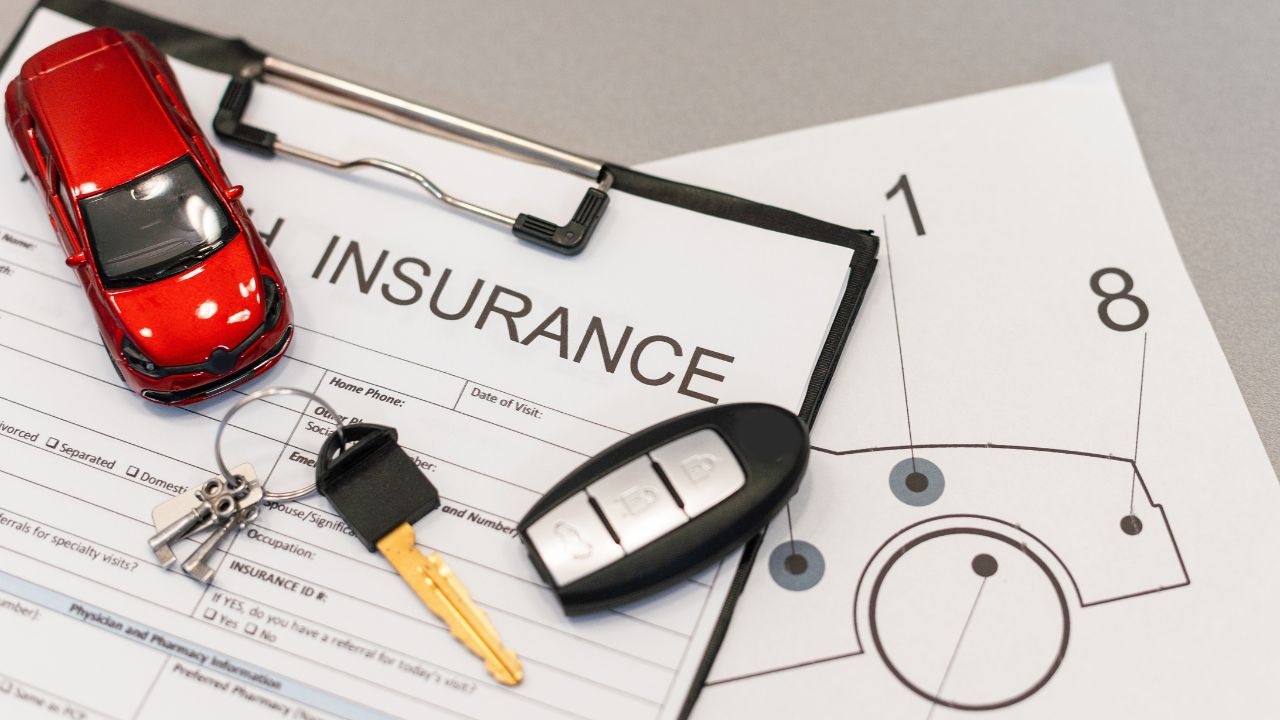
Insurance documents, registration details, and emergency contact information – store everything in one location and ensure it’s up to date. There’s nothing quite like the stress of discovering your insurance card had expired two months ago while facing a police officer’s badge.
Include your roadside assistance number in your phone contacts. Whether it’s AAA, your insurance company’s emergency service, or your car manufacturer’s program: whatever you have, ensure you can access the number quickly without searching through your glove box while traffic builds up behind you.
Keep a waterproof card containing medical details and emergency numbers for each child. Hopefully you’ll never need it, but if you do, you’ll be very thankful it’s available.
A Basic Commitment for the Upcoming Academic Year
Sure, no one expects you to become a licensed mechanic in a day. However, some basic preparation can significantly reduce the stress and enhance the experience during the school year. Your car will be your companion for the next nine months – show it some care, and it will look after you and your friends.
Additionally, there’s a strong sense of fulfillment in seeing a properly maintained machine operating smoothly. It’s similar to the contrast between a Swiss watch and the timer in your microwave. Both indicate time, but only one brings a smile to your face each time you look at it.
Grab a Saturday morning, play some great music, and give your car some attention. Your family will appreciate it when you’re driving through the drop-off line while other parents are requesting tow trucks. And hey, if you do it properly, you might actually enjoy the experience—and start looking forward to it.