Understanding the Impact of Flood Irrigation on Water Systems
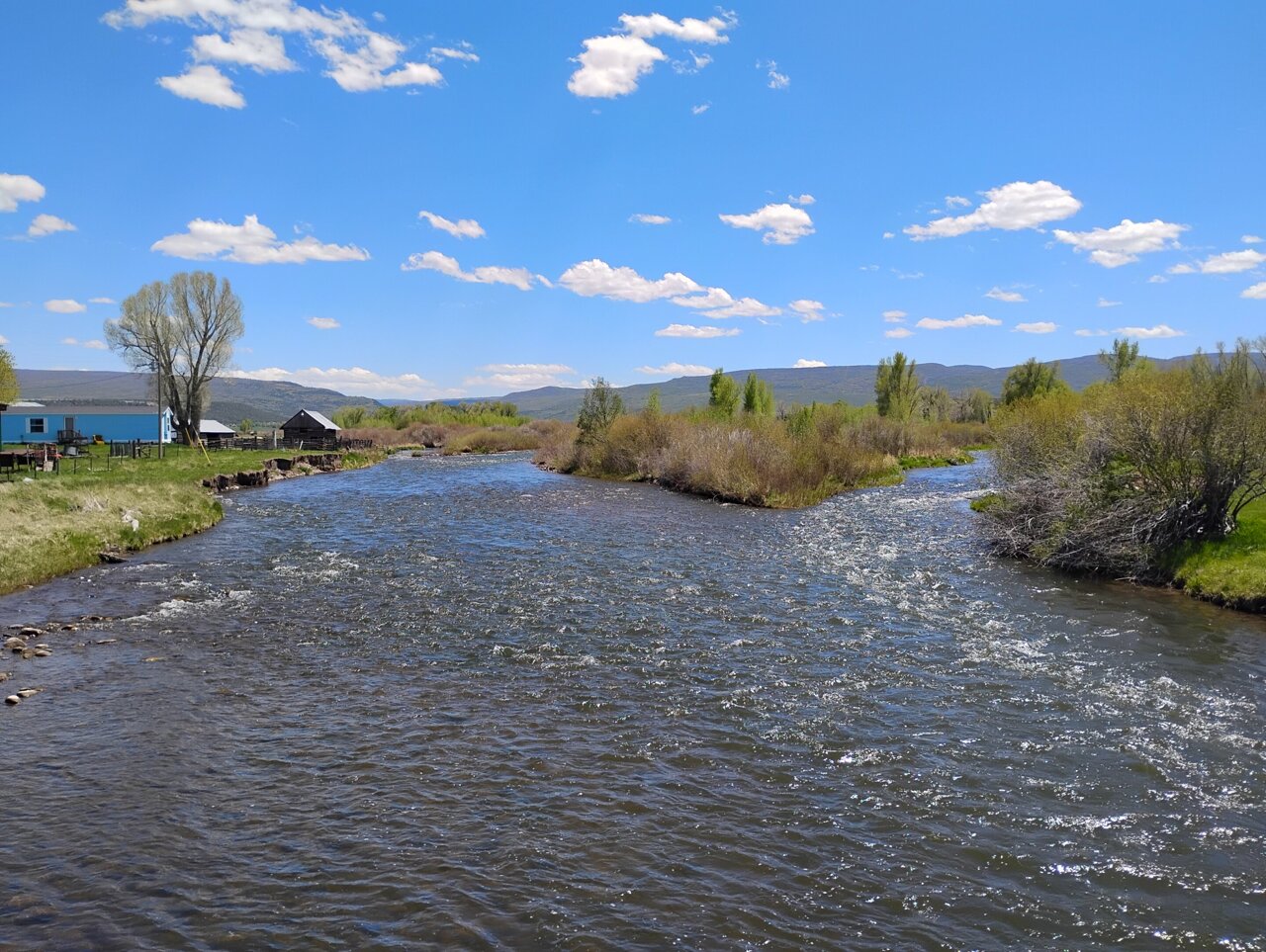
In the region near Meeker, in northwestern Colorado, farmers have been using flood irrigation to water their crops for over a century. This method involves diverting water from the White River through a network of ditches directly onto their fields. While this approach might appear inefficient compared to modern sprinkler systems, recent research has revealed that it plays a crucial role in maintaining the local ecosystem and water cycle.
A study led by researchers at Colorado State University has shown that approximately 75% of the water used in Meeker for flood irrigation eventually returns to the river through groundwater recharge. This process is vital for sustaining nearby wetland ecosystems, which serve as critical habitats for wildlife and support recreational activities in the area.
The research, published in the Journal of Hydrology, presents a comprehensive model that highlights the relationship between agricultural practices, groundwater systems, and river flows. This model is now being used to guide water management decisions in the region. Although each river basin and community is unique, the findings offer valuable insights for future planning related to water rights and climate change impacts on water storage needs.
The Role of Groundwater Recharge
Professor Ryan Bailey, who led the research through CSU’s Department of Civil and Environmental Engineering, explained that the project began as a collaboration with the White River and Douglas Creek Conservation Districts. It serves as a test case to better understand the hidden connections between irrigation practices, the water table, and the timing of river flows within the broader water cycle.
Bailey emphasized that the White River relies heavily on groundwater return flow generated by flood irrigation. Over time, the extensive use of flood irrigation has saturated the area, raising the water table and influencing the timing of seasonal river flows. This elevated water table supports wetland development along field edges, ditches, and riverbanks, creating a natural environment for water storage and reuse.
The study focused on a 33-mile stretch of the White River where water is diverted into a network of distribution ditches. Researchers combined data on historic river flow rates, groundwater well measurements, and geological information such as soil types and permeability to develop a holistic model.
Approximately 20% of the diverted irrigation water seeps back into the aquifer through the ditch beds before reaching the fields. The remaining water is either absorbed by crops, percolates into the aquifer, or runs off into lower areas before rejoining the river. This process steadily recharges the region’s aquifer during the summer months, with water eventually flowing to nearby riverbeds and re-entering the White River.
Implications for Water Management
While only about 25% of the water from flood irrigation is used to maintain crops, the other 75% returns to the river system. In contrast, a sprinkler irrigation system would be more efficient for crop growth but could alter the timing of key seasonal river flows driven by groundwater recharge.
Bailey noted that during the fall, when river flow should be low, it remains moderate due to groundwater entering the river from the fields. These late-season flows are a result of irrigation conducted during the summer and fall. If sprinkler irrigation were adopted, there might be higher summer flows due to reduced ditch diversions, but lower flows in the fall and winter, potentially impacting fish populations and downstream hydropower.
Flood irrigation helps maintain a high water table, supporting wetland development and creating a natural environment for water storage. The model suggests that switching to sprinklers could negatively affect these zones and lower the water table by up to 10 to 15 feet in some areas over five years.
Broader Applications and Future Work
Bailey highlighted that the model provides the community with an opportunity to make informed decisions about water management practices that may span years and adapt to changing conditions, such as droughts or increased water demands. A simplified sheet has been created to allow stakeholders to explore how changes would impact water savings, crop yields, and the downstream environment.
The research has broader implications for other communities seeking to understand how climate shifts may influence their agricultural and water management strategies. Bailey and his team plan to conduct a similar project in the Yampa River Valley and have begun discussions with partners in southeast Wyoming.
Ryan T. Bailey, a district wildlife manager with Colorado Parks and Wildlife, worked with the CSU team on the project. He emphasized the importance of flood irrigation in maintaining springs and wetland habitats in both upland and riparian areas, benefiting various wildlife species.
Bailey concluded that service-based projects like this one, which directly assist Colorado residents, align with the university’s land-grant mission. As faculty members, he believes it is their responsibility to develop accessible solutions to shared challenges such as water management.