
A Case of Mistaken Identity
In a situation that highlights the complexities of immigration and legal processes, a man is currently in ICE custody, awaiting deportation, despite having legal status and no criminal charges. This case revolves around Alexis Jesus Rojas-Medina, who was mistakenly identified as his twin brother, Alexander, leading to a series of unfortunate events.
The Arrest and Charges
On August 15, 2025, Alexis Jesus Rojas-Medina was indicted for multiple felonies, including aggravated assault and domestic violence in the presence of a child. However, his wife, Margin Maria-Rodríguez, insists that her husband never laid a hand on anyone. The confusion began when the family, who had immigrated from Venezuela, lived with her husband’s twin brother, Alexander, and his wife and two children. It is alleged that Alexander often became abusive at home.
By July 1, 2025, the family moved out of the apartment, seeking a safer environment for their child. Court documents reveal that the incident for which Alexis was arrested occurred on July 14 at their old residence. The family’s attorneys quickly sent prosecutors copies of birth certificates to differentiate Alexis from his brother, Alexander Jesus Rojas-Medina.
Legal Proceedings and Dismissal
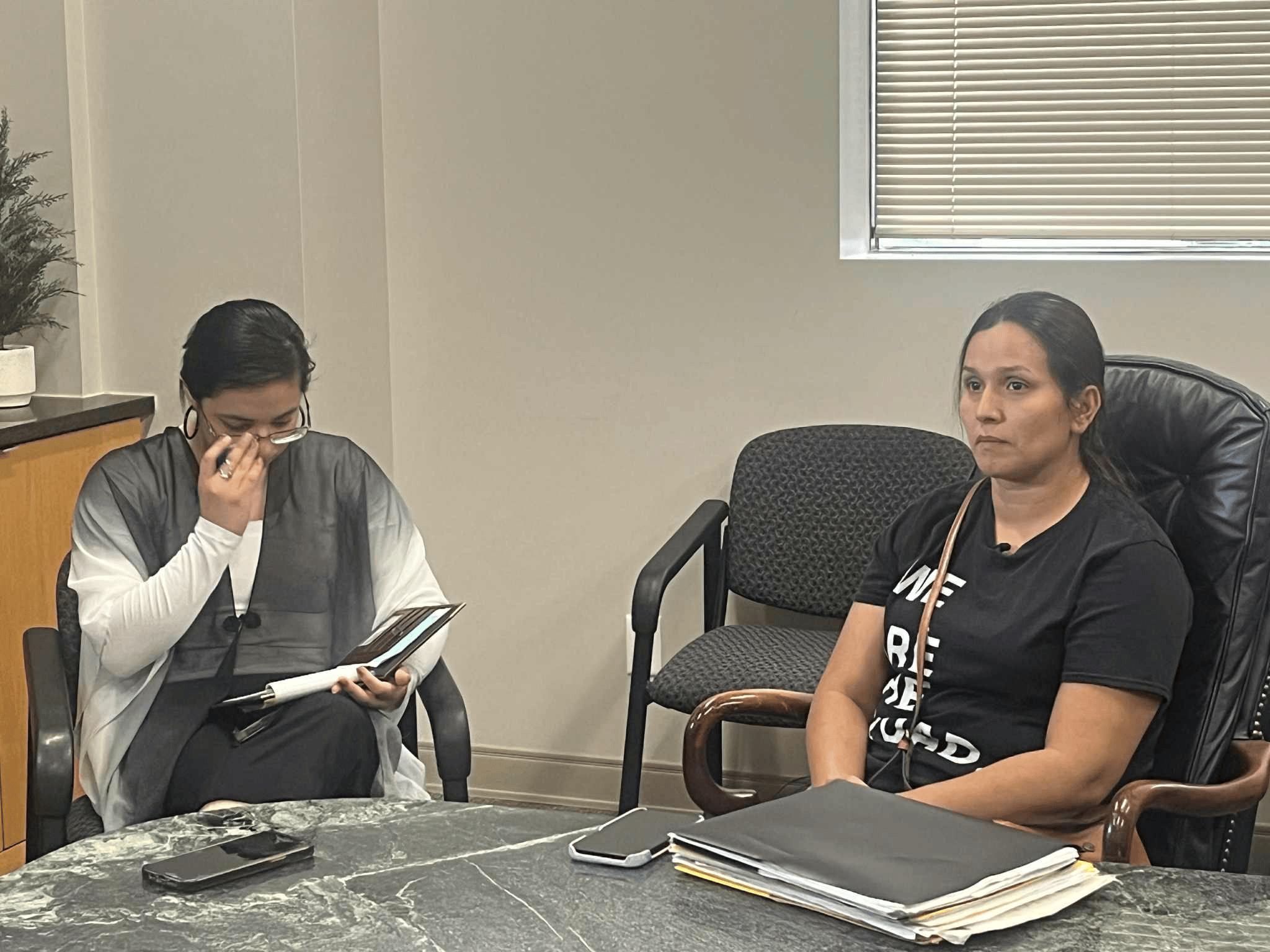
“We didn’t know anything until my husband was arrested,” Margin Maria-Rodríguez told ABC4.com. She emphasized that the charges did not relate to her husband but to his twin brother, Alexander. Defense attorneys presented evidence to the court, stating that they are not the same person.
Three days after appearing in court, all charges were dismissed, and Alexis was ordered to be released from the Salt Lake County Jail. The dismissal order stated, “Having been mistaken for his twin brother and arrested in his place… Alexis Jesus Rojas-Medina has not committed the alleged offenses.”
Despite the dismissal of charges, Alexis was not released. Instead, he was placed in ICE custody. According to Jeremy Deus, an attorney representing Alexis, this situation is unique and highlights the challenges faced by immigrants.
ICE Detention and Challenges
“When a case gets dismissed with prejudice, it should be treated differently, as if this never happened. And it’s not being treated like this with immigration today,” Deus said. He noted that the treatment of individuals based on nationality is a significant issue.
Margin Maria-Rodríguez expressed her frustration, stating that ICE has limited communication with her husband. “I feel devastated because they treat us like trash as if we didn’t exist,” she said.
Temporary Protected Status and Legal Battles
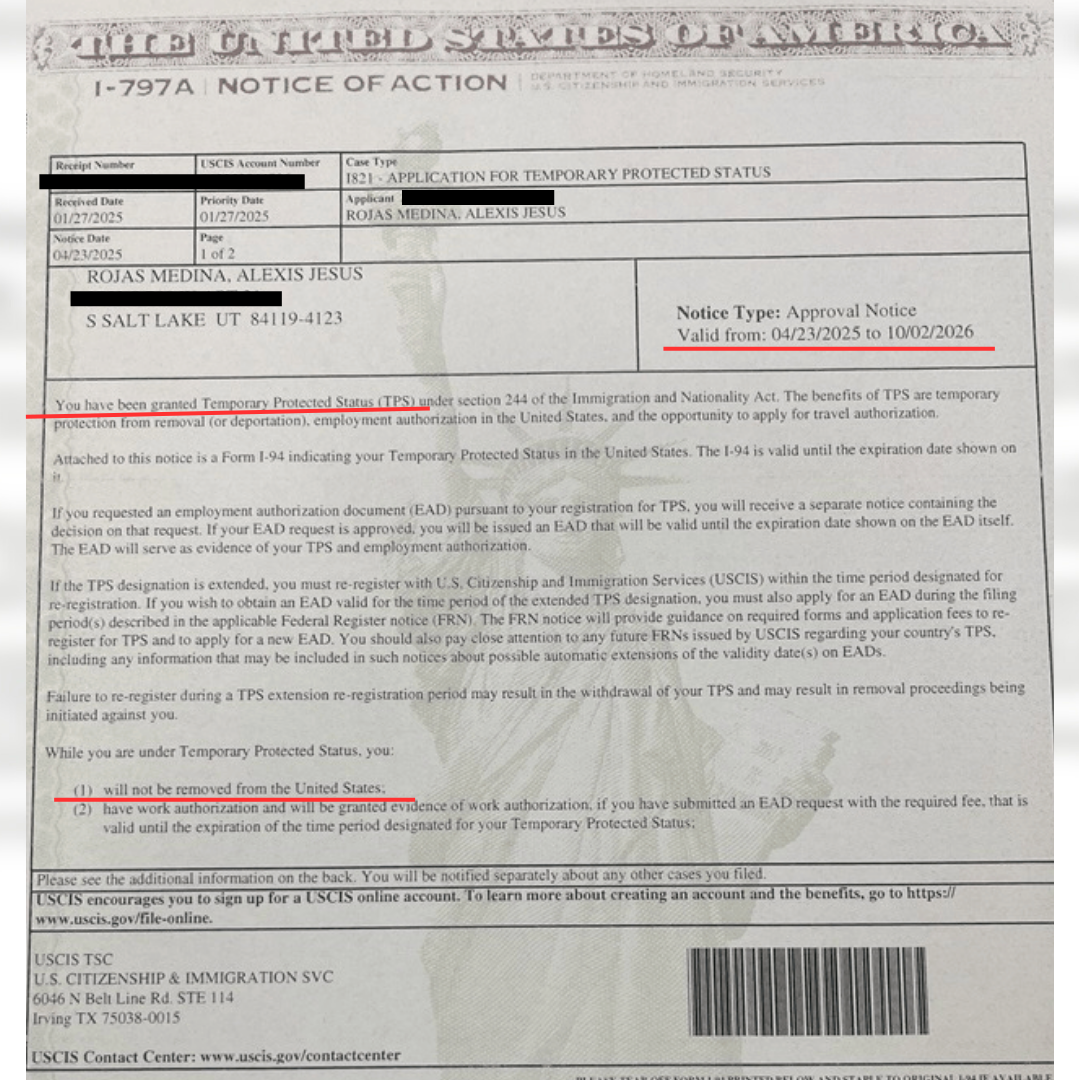
Alexis was granted Temporary Protected Status (TPS) through October 2, 2026, allowing him work authorization and preventing him from being removed from the country. However, ICE has since taken away his TPS and filed for an expedited removal. Adam Crayk, a partner at Sowell Crayk, representing the family, stated that Alexis did everything correctly by presenting himself at the border.

The Broader Context
The legal battle surrounding TPS for Venezuelan immigrants has been ongoing. Since taking office, the Trump administration has engaged in a legal battle aimed at stripping Venezuelans of protections from deportation. In September, the administration asked the Supreme Court to block a decision that found that Homeland Security Secretary Kristi Noem lacked the authority to vacate protections for roughly 600,000 Venezuelans, including Alexis.
In August, a panel for the Ninth Circuit Court of Appeals reinstated TPS for Venezuelans. Despite the U.S. Supreme Court previously siding with Noem, the ruling came as a relief. The Department of Homeland Security (DHS) says it “vehemently disagrees” with the Northern District of California’s ruling and is pursuing immediate relief.

The Impact of the Economic Crisis
Venezuela’s economic crisis has lasted over 12 years. In April 2025, President Nicolás Maduro declared an economic emergency. This crisis has led to a large influx of immigration to the U.S. However, recent data shows immigration numbers plummeting, with many Venezuelans reportedly beginning to return to the country.

Conclusion
The case of Alexis Jesus Rojas-Medina underscores the challenges faced by immigrants and the importance of accurate identification and fair treatment within the legal system. As the legal battles continue, the future of individuals like Alexis remains uncertain. The situation also highlights the broader issues surrounding immigration policies and the need for compassion and understanding in the face of complex legal procedures.