Proactive Measures to Combat Transit Cuts
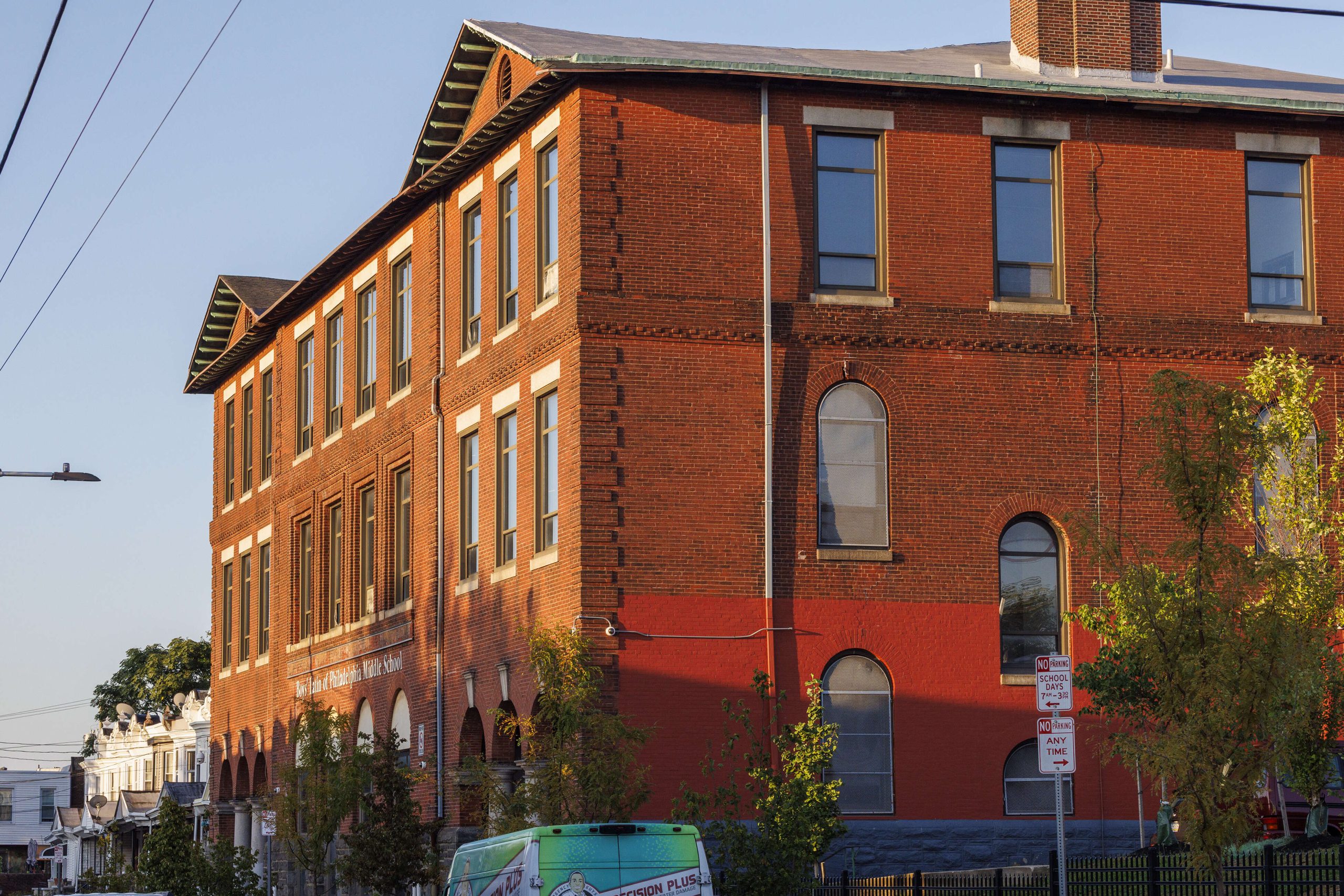
Schools across Philadelphia faced unexpected challenges this summer when significant cuts to mass transit services disrupted daily routines for thousands of students. However, the Boys’ Latin of Philadelphia Charter School was prepared. With the 2025-26 school year approaching, CEO William Hayes and his team took a proactive approach to ensure that students could still attend classes despite the changes.
Instead of adopting a strict stance on punctuality, the school focused on support and understanding. Hayes emphasized the importance of grace and empathy, recognizing that the transit cuts could have a negative impact on students’ ability to arrive on time. This approach proved effective, with average daily attendance rates remaining high—96% among middle school students and 92% among high school students in the first few days of the school year, compared to 91% and 88% respectively during the same period last year.
Tardiness rates also saw an increase, but the school’s efforts to mitigate these issues were evident. Middle school students had a 10% tardiness rate this year, up from 7% last year, while high school students saw a rise from 9% to 21%. In contrast, district schools reported a 63% increase in late arrivals and 54% more absences during the first three days of the school year.
Communication and Support Strategies
The school recognized early on that many of its students relied on SEPTA for transportation. More than half of the approximately 500 high school students used public transit, while the middle school, which serves about 300 students, had fewer reliance on SEPTA due to the school’s own yellow bus routes. These routes, paid for by the school, serve some students in the middle school grades.
To address potential disruptions, the school planned a summer focus on attendance and family engagement. This initiative was already part of the school’s strategy, given the longer school days, additional weeks in school, and summer programs for some students. The communication started early, with Colleen Smith, the chief operating officer, breaking down information by route and neighborhood.
Incoming students participated in orientation sessions where they discussed their schedules and potential challenges. Advisors asked questions such as: What time do you need to get up to be on time? Is your bus route changing?
Additionally, the director of student and family engagement reached out to families who had attendance issues in the past to discuss possible solutions. Frequent updates were sent to parents, addressing concerns about lateness and how to handle unexpected delays.
Expanding Transportation Options
Boys’ Latin even added more bus stops to accommodate the increased demand caused by SEPTA cuts. A few years ago, the school introduced a shuttle for middle school students living more than 1.5 miles away, as the Philadelphia School District provides free SEPTA fare cards for students within that distance. Some parents preferred not to rely on public transit, so the school expanded the service.
This effort led to the creation of three routes serving over 100 students across different parts of the city. The school covers the cost of these buses, which amounts to about $300,000. As a result, more parents are driving their children to school or carpooling.
Ongoing Adjustments and Challenges
Nearly two weeks after the SEPTA cuts took effect, the school continues to emphasize communication around attendance and transportation. Students marked late or absent due to transit issues will receive flexibility in making up missed work, though their attendance records remain intact. Transportation challenges are noted, ensuring transparency for both students and families.
Staff members are learning from daily experiences, such as students choosing to walk long distances rather than risk missing a bus. This decision can raise security concerns for families, as it may not always be communicated with parents.
While the school’s focus on attendance and family engagement was already in place, the timing of the SEPTA cuts aligned well with their existing initiatives. Staff, including teachers, janitors, and bus drivers, are motivated to ensure that students feel welcome and have clear paths to school. Financial incentives are part of this strategy, with Hayes emphasizing the importance of funding priorities appropriately.
Ultimately, the goal is to create an environment where students want to come to school, regardless of external challenges like transit cuts. As Hayes stated, “We can’t control SEPTA, we can’t control what the city is doing, but we can make this a space that kids absolutely just want to get to.”