
How do teenage friendships change when someone doesn’t use social media in a world driven by likes, stories, and streaks? On the surface, it might seem like avoiding these platforms means missing out. Group chats happen quickly, plans are made on the fly, and many inside jokes originate from places you don’t engage with. However, taking a break from social media can also have beneficial effects on friendships. Discussions tend to be more extended.
Plans change from scrolling together to actually engaging in activities together. Trust develops through shared experiences rather than curated posts. This article explores what it means to grow up without social media today, how it affects friendships, where the real challenges lie, and how to create a meaningful social life that aligns with your values.
What “Growing Up Without Social Media” Seems Like Now
Growing up without social media in 2025 is different from being disconnected in the 90s. Many teenagers who avoid social media still use their phones for texting, calling, FaceTime, school-related apps, navigation, music, and gaming. They simply don’t engage with major platforms or use them infrequently. Some choose to create accounts later in high school, while others maintain private accounts that are only visible to close friends. The main distinction isn’t about having technology. It’s about eliminating the public aspect from everyday life. Without a constant audience, friendships may seem more subdued, slower, and centered around genuine experiences.
Why Certain Teenagers Choose Not To Participate
Typical motivations are seeking improved concentration for academic or athletic pursuits, steering clear of comparisons, safeguarding personal information, or adhering to household guidelines. Several individuals mention experiencing a greater sense of tranquility, with reduced late-night browsing and diminished performance-related stress.
What They Use Instead
Messages, voice recordings, and brief calls take the place of direct messages. Group gaming, study sessions, clubs, and religious or community events serve as primary social centers. Images are shared in private albums rather than on public timelines.
How Offline Friendships Develop and Expand

Friendships without social media typically begin with being in the same place and spending time together repeatedly. You might sit next to someone in math class, run into them at practice, and then have a meal after a game. These small interactions accumulate until you learn who is humorous, caring, dependable, or simply pleasant to be with. This more gradual pace can lead to deep connections since relationships are formed through shared time instead of ongoing updates.
The Influence of Common Habits
Habits build confidence. Returning home together, working out before classes, or helping out on weekends adds a consistent beat to relationships. Individuals become a regular part of your week, rather than just someone in your messages.
Quality Over Quantity
You might know fewer individuals, but those you do know are likely to have a strong understanding of you. Humorous references often stem from shared experiences rather than online posts. This level of familiarity frequently helps in resolving disagreements and planning more effectively.
Important Difficulties That Teenagers Encounter Without Using Social Networking Platforms
Opting to live without social media isn’t just about serene sunrises and meaningful conversations. There are actual challenges to face. You could miss out on event notifications. You might not catch a joke that began in a story. You may have to put in more effort to arrange meetings. These aren’t major issues, but they do exist.
The Group Chat Gap
Some groups of friends operate within a private chat connected to a specific platform. If you aren’t part of it, you might miss updates about time or place. A solution is to have a separate SMS conversation for coordination so everyone remains updated, even if they don’t use the app.
Rumors, Receipts, and Context
Social drama now creates a digital footprint. If you aren’t on the platform, you only witness the consequences, not the original content. Request clarification from someone you trust before responding. Keeping composed and checking facts helps safeguard your relationships.
The Balancing Act of Mental Health and Self-Identity
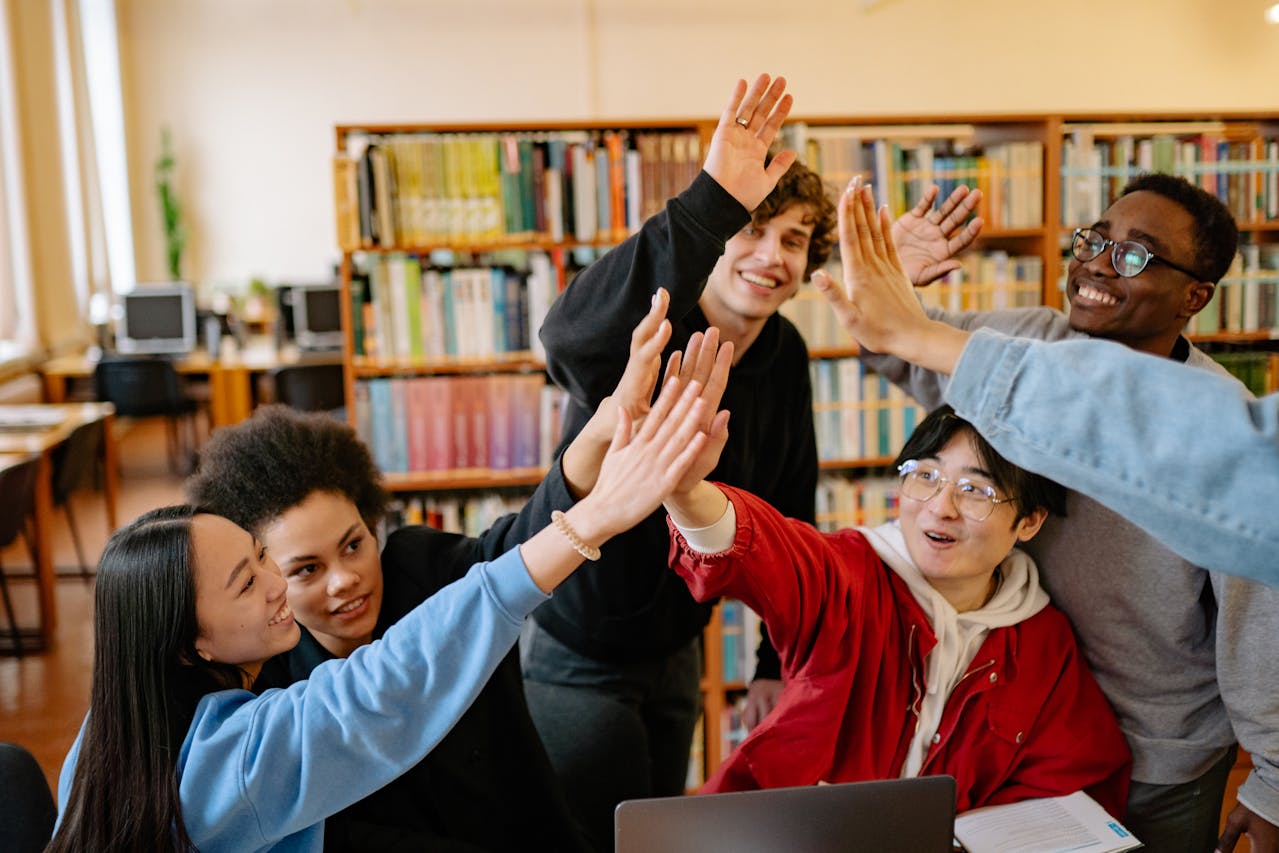
Avoiding social media can decrease feelings of comparison, reduce exposure to negative content, and enhance personal privacy. Numerous teenagers mention improved sleep and increased focus on their studies and interests. However, being disconnected from social platforms can sometimes lead to feelings of isolation if your primary social interactions occur online during the evening. The essential aspect is to make conscious choices and develop habits that foster genuine connections with others in the real world.
Less Comparison, Stronger Boundaries
Without constant highlight reels, you are less inclined to compare your life to curated versions of others. This gap allows for a clearer understanding of your preferences, as you genuinely like things rather than seeking approval.
Watch For Isolation
If all your friends are in a digital environment you don’t engage with, you might unintentionally drift apart. Schedule regular face-to-face meetings such as lunch gatherings, club events, casual games, or study groups to maintain strong friendships.
Effective Methods to Develop and Maintain Friendships Without Using Social Media
You don’t require a profile to maintain a social life. What you do need is a structured approach. Consider it as creating your own network through effective communication, consistent invitations, and some straightforward routines that simplify spending time together.
Build Your Own Social Centers
Begin a weekly schedule that others can participate in. Examples include an open gym session on Fridays, a coffee walk on Saturdays, a study period following practice, or a movie night each month. Being consistent is more effective than frequent posting since it helps people know where to find you.
Use Clear Communication Rituals
Choose a default approach for plans, such as an SMS group or a shared notes link that includes the time and location. Send reminders the day prior. Share pictures privately following the event to preserve memories without public comments.
Be the Inviter
If you’re not active on social media, you might miss out on all the casual invitations. Be proactive. Ask two individuals to have a meal together after practice. Invite a fellow student to study before an exam. Regular, small invitations help expand your social circle more quickly than waiting for a large gathering.
Connecting With Friends Who Are Online

Numerous friend circles consist of diverse individuals. Some people enjoy using social media. Others only use it occasionally. Some choose to stay away from it. Strong friendships endure these variations when all members respect each other’s preferred methods of communication. You don’t need to persuade anyone to stop using social media or to start using it. You can find a balanced approach together.
Request Context Without Bias
If a plan or joke began online, request someone to bring you up to speed. A brief summary allows you to join in without having to scroll through everything. Extend the same kindness in return when something occurred during practice or rehearsal that others weren’t present for.
Share Moments Selectively
If friends are looking for photos from the event, you can share a small album with them privately. You may also politely request that your image not be shared. Many people will honor a straightforward request if you express it early and clearly.
Friendship at Human Speed
Being raised without social media affects how friendships develop, but it doesn’t result in smaller relationships. In fact, they tend to be more stable. You depend on daily habits, common areas, and genuine interactions. You establish your own communities rather than waiting for an invitation on a device. You might miss out on some news, but you get the space to reflect, to pay attention, and to be present in ways that don’t require an audience.
If the majority of your friends are online, understand their communication style and create straightforward methods to remain involved. If you’d rather maintain a more offline lifestyle, develop routines that foster connection. In either case, friendship continues to rely on the same fundamental elements it always has. Be present. Stay consistent. Honor your commitments. Make arrangements. Be honest. Share plenty of laughter. The rest is simply the platform you use to schedule meetings.
The post The Impact of Not Using Social Media During Childhood on Modern Teen Relationships appeared first on Modern Teen.