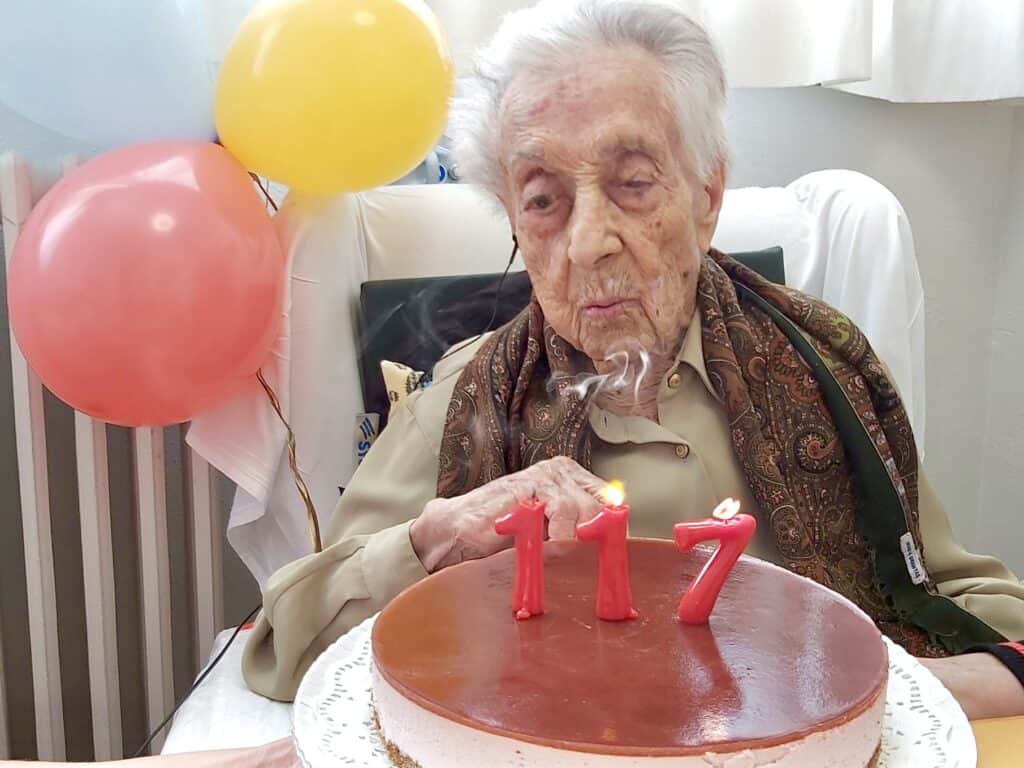
When María Branyas Morera reached 116 years old, scientists asked if they could examine her inner workings. She agreed, happily. They wanted blood, saliva, urine, and stool. What they discovered was nothing less than amazing: a complex biological blueprint for living to be 117 years and 168 days old.
“She possessed an extraordinary genome with a high number of genetic variations linked to increased longevity in other species, including dogs, worms, and flies,” Manel Esteller from the Josep Carreras Leukaemia Research Institute in Barcelona stated.New Scientist.
The Biology of Reaching 117 Years Old
The group of researchers, headed by Eloy Santos-Pujol and Aleix Noguera-Castells, examined all types of “omics” possible: genome, metabolome, proteome, microbiome, and epigenome. The contradiction they encountered was straightforward: how could an individual who exhibited all the typical molecular signs of aging—such as shortened telomeres, clonal mutations in blood cells, and an aged immune system—still remain so healthy?
The solution, it seems, is equilibrium.
Her DNA contained uncommon protective mutations that appeared to shield her from heart disease, dementia, and diabetes. Unlike the majority of people, she did not have the typical risk factors: no harmful Alzheimer’s gene variations and no signs of metabolic disorders. Additionally, her mitochondrial function was more efficient than that of women significantly younger than her.
And still, her chromosomes revealed a different narrative. Branyas’s telomeres were damaged — “the shortest average telomere length among all healthy participants” in the research.
Telomeres function similarly to the protective caps on the ends of shoelaces, safeguarding our chromosomes and preventing the genetic material from becoming damaged each time cells replicate. However, these structures tend to shorten as we age—and when they become too short, cells may cease dividing or begin to operate improperly, which has been associated with conditions such as cancer, heart disease, and dementia. This is why researchers typically view shortened telomeres as a negative sign, acting as a biological clock that signals the approach of illness and mortality.
In most people, this would indicate cancer or neurodegenerative conditions. However, not for María Branyas Morera — and possibly other exceptional cases like hers. “It is tempting to speculate that, in this context, telomere shortening functions more as a chromosomal clock for aging rather than a marker for age-related diseases,” the researchers stated inCell Reports Medicine00441-0).
The Germs and Foods That Preserved Her Youth
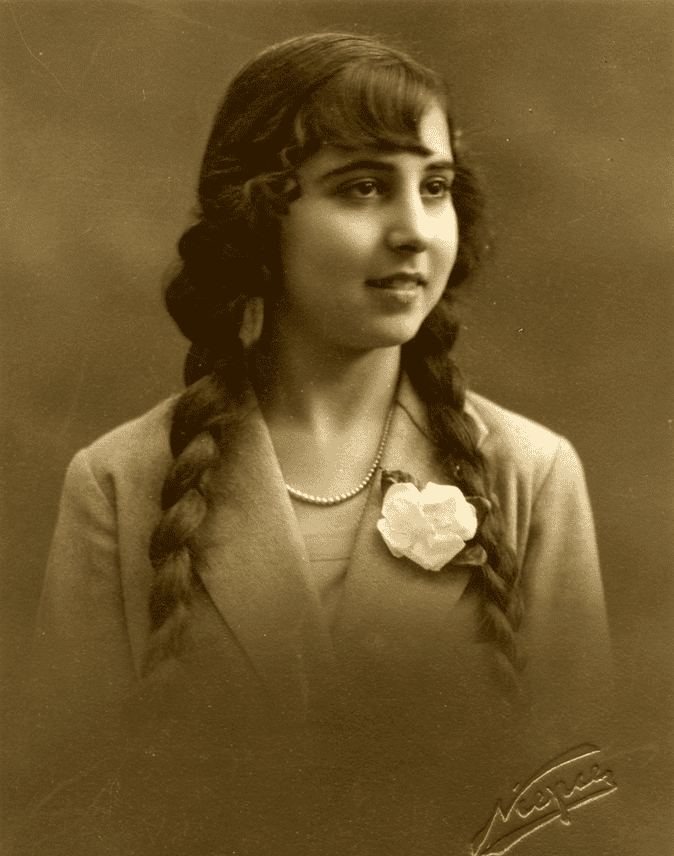
Although her DNA formed the base, her everyday routines probably enhanced it. Branyas never smoked, never consumed alcohol, and followed a Mediterranean diet that included plenty of fruits, beans, olive oil—and most notably, yogurt. She ate three servings daily, plain and without added sugar.
Her fondness for yogurt might account for her exceptionally high levels ofBifidobacterium, a probiotic bacterium associated with lower inflammation and improved digestive health. These microbes typically decrease as one gets older. In her situation, they thrived.
“It suggests that a dietary intervention might be linked not just to preventing obesity and other health issues, but also to extending lifespan, by influencing the gut microbiome,” Esteller said.New Scientist.
Her microbiome, when compared to 445 controls aged 61–91, appeared remarkably youthful. Reduced inflammation, increased variety. The type of gut you’d anticipate in someone significantly younger.
And this microbial youthfulness spread throughout her body. Blood tests revealed extremely low “bad” cholesterol, exceptionally high “good” cholesterol, and inflammation indicators so minimal they appeared almost designed. She possessed one of the most effective lipid metabolisms ever documented.
Her immune system also refused to surrender. At 113, she endured COVID-19, becoming the oldest recorded survivor in Spain.
Furthermore, she reportedly kept close to her family and friends, minimized stress, and maintained an active lifestyle both mentally and physically. These practices, backed by scientific research, are recognized as effective in preventing dementia and other age-related deteriorations.
The Lottery and the Lesson
Nevertheless, we should not become overly enthusiastic. Richard Faragher, a biogerontologist from the University of Brighton, warned against placing excessive significance on a single instance. “There is a risk that an atypical variation in, say, a gene might be transformed into a scientific ‘just-so story’ regarding its connection to aging,” he stated.New Scientist. Occasionally, he remarked, reaching an extremely old age is merely “chance.”
Branyas personally viewed it in that manner. “She stated: ‘My sole achievement is that I am alive,'” Esteller remembered.
However, the research provides more than a simple explanation. It demonstrates that aging and illness do not always occur together. The Spanish team stated clearly in their paper: “The image that comes from our study, although based solely on this one unique individual, shows that extremely old age and bad health are not inherently connected.”
That’s groundbreaking. We’ve been led to believe that aging naturally leads to deterioration. However, Branyas’s biology separated the two. Indeed, her cells showed signs of aging. Yet, her body’s systems — such as lipids, microbiome, and immunity — remained remarkably strong.
Her life presents a significant opportunity for many of us: that the future of extended lifespan medicine is not about eliminating aging, but separating it from illness. Genes gave her an exceptionally favorable starting point, yet diet, microbes, and reduced inflammation helped her stay active.
This narrative first was published onZME Science. Want to become wiser each day?Subscribe to our newsletterand keep up-to-date with the newest scientific updates.