The Rise of the Conversation Room
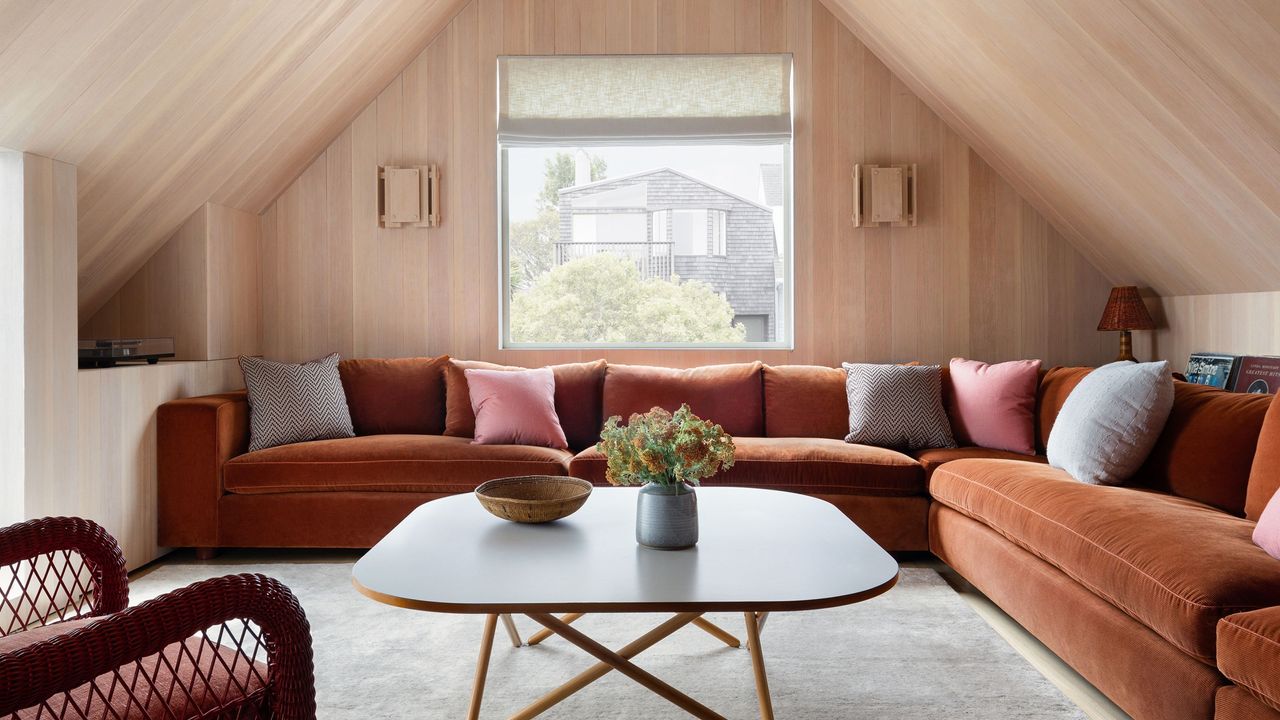
Interior designers have identified a new focal point in our homes — the ‘conversation room’. This space is not about modern kitchens or decorated powder rooms, but rather about fostering human connection. It’s time to put down our phones and turn off the television, as we delve into these trending spaces that prioritize conversation over technology.
Designed for gatherings and casual chats, the conversation room emphasizes intimacy and comfort. According to Charu Gandhi, founder and director of Elicyon, “People want a space that fosters a welcoming feeling of intimacy and comfort, and that’s what these more purposeful, designated rooms do.”
What Is a Conversation Room?
The concept of a conversation room has roots in history. In 18th-century Paris, it would have been known as a ‘salon’, where artists and thinkers met to exchange ideas. In Victorian England, it might resemble a ‘parlor’ with dainty ornaments and straight-backed furniture, setting the tone for polite chit-chat.
More recently, the idea of a conversation ‘pit’ — where seating is lowered under a platform — has made a comeback. The concept originated in the mid-century modern Miller House by architect Eero Saarinen. While conversation pits were popular in the 1970s, they are now making a return in interior design. California-based designer Charles De Lisle notes, “They are definitely back on trend, and while they might not work in every house, you can use them as inspiration and tailor the idea to your space.”
Why Is the Conversation Room Trending Now?
The rise of remote working and binge-watching has led many to seek out a sense of intimacy within their homes. People are craving connection, moving away from the pull of technology in their downtime. Ruby Lang from Pleysier Perkins explains, “The idea of open-plan living has enchanted us for the good part of the last century, but we’re now seeing an increase in clients wanting these enclosed third spaces.”
Interior designer Róisín Lafferty adds, “People are now a lot more open to designating areas for specific functions. There’s something really lovely and intimate about a conversation room, where you can feel cocooned, enjoying an environment dedicated to a sense of togetherness. It’s very social.”
How to Design a Conversation Room
The key to a successful conversation room lies in its layout. Ensuring enough space for everyone to sit and talk is essential. Sofas and armchairs are fundamental, but footstools and benches that serve as extra seating or occasional tables are also ideal.
Avoid distractions like the TV wall and keep surfaces clutter-free. Charles De Lisle explains, “When we design a conversation room, we think the more open a house plan is, the more intimate the space should be, to help people stay more closely connected.” He emphasizes tailoring furniture to fit perfectly, focusing on creating a social space centered around conversation.
Charu Gandhi of Elicyon adds, “The objective is to create a space where people can gather to talk, so big, soft, squidgy sofas may not be the best choice. Think about comfort, yes, but support too. Curved sofa designs allow every individual within the space to see each other as they’re talking.”
Recommended Furniture for a Conversation Room
Several furniture options can enhance a conversation room:
- Soho Home Caleb Modular L-Shape Sofa in Velvet, Mustard, and Light Burl: With an Art Deco-inspired sensibility, this L-shaped sofa features sculptural curves, making it a captivating central focus.
- John Lewis & Partners Lozenge Corner Sofa: This curved corner sofa offers a firmer sit, ideal for conversation rooms, with 86 different fabric and color options.
- Barker and Stonehouse Amore White Fabric 3 Seater Sofa: A chic curved sofa that can zone a conversation area within a larger room. Pair it with matching armchairs for a complete look.
While the key components include exquisite seating and a convivial layout, the most important element is atmosphere. The space should feel calm, curated, and chaos-free, ensuring the focus remains on social interaction.
For those interested in expanding the concept, the social dining table trend is worth exploring. It emphasizes lingering long after meals, enhancing the overall experience of togetherness.