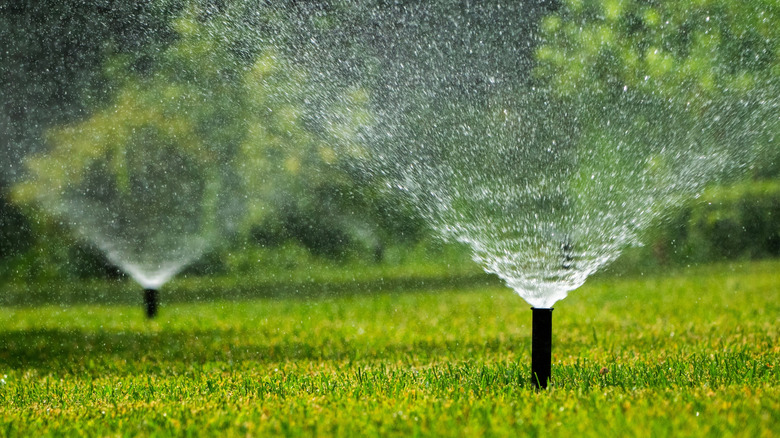
The most challenging aspect of maintaining a vibrant lawn isknowing when it’s appropriate to water. Some may advise you to water your lawn every week, following a consistent watering schedule, or even twice daily if you reside in an area prone to droughts or are facing a heatwave. The reality is, although hot weather and dry periods affect the condition of your lawn, the key factor is the level of moisture in the soil. Still, various types of soil hold onto moisture in different ways, and you could be harming your soil if you aren’t aware of the correct watering techniques.
In general, there are four typical types of garden soils: sand, clay, silt, and loam. Sandy soils are referred to as light and rough-textured. They consist of large sand grains with significant gaps between them, which means they don’t retain water for extended periods. Clay is completely the opposite. If your soil is clay, it will hold onto moisture and organic material for a much longer time compared to sandy soil. Silt has particle sizes that fall in between and has moderate spacing between the particles. It serves as the middle option between the two extremes. If your soil is a balanced combination of these three types, it is known as loam soil. Many gardeners view loam soil as the ideal type for growing grass. However, over-watering or under-watering any of these soil types can create serious problems for your lawn and result in soil that is not suitable for use.
Read more: 10 Popular Home Items That Can Be Reused in Your Yard and Garden
Common Errors in Watering Your Lawn That Are Damaging the Soil and Ways to Prevent Them
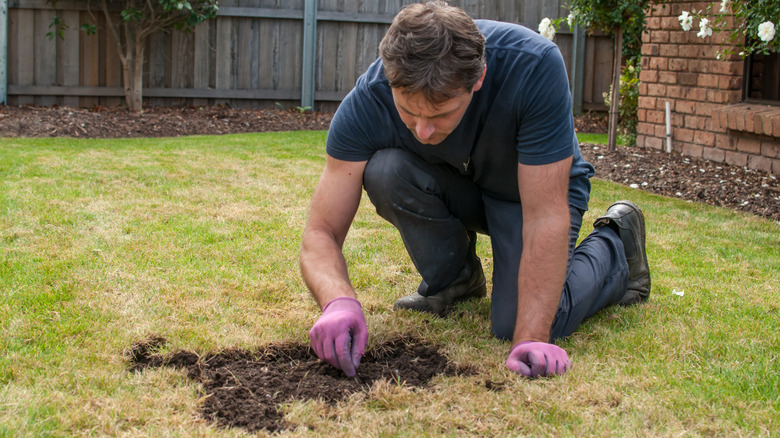
Every kind of soil comes with its own set of advantages and disadvantages. For instance, sandy soils are known for their rapid drainage. The large gaps between the particles enable water to pass through them quickly, making it readily available to grass roots. This also results in the soil drying out more rapidly. If you water your lawn on a limited basis, the soil might become excessively dry and lose all its moisture. To maintain the quality of sandy soils and ensure your lawn grows well on them, it’s best to water in small amounts but more often.
In the case of clay soil, the particles are significantly smaller and more tightly packed, allowing it to retain moisture for extended periods. Although this can be beneficial for your grass, it may also result in waterlogging if you water your lawn excessively. When soil becomes waterlogged, it hinders plants from taking in oxygen and essential nutrients, potentially leading to root damage or the death of your grass. The most effective approach for managing clay soils is to water deeply but less often.
If your soil is composed of loam or silt-loam, your plants will benefit from an ideal combination of proper drainage and consistent moisture. However, this also requires you to pay closer attention to your soil’s condition to determine when it’s dry and when it’s overly saturated. Maintaining a balanced watering schedule is essential to keep the soil damp without becoming soggy.
Testing Your Soil Type at Home
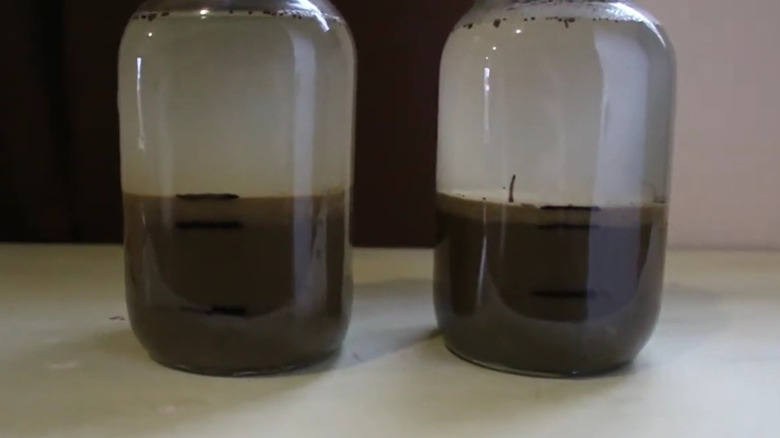
Knowing the type of soil you possess and how to manage it will assist you in cultivating a vibrant, green lawn on fertile soil. There are manyHome-based DIY tests to assess your soil type and condition. A straightforward approach involvesUsing an old mason jar for a soil analysis test. For this test, you’ll need a clean, empty mason jar with a secure lid, a small shovel to collect a soil sample, approximately 3/4 cup of soil, and some water.
To begin, locate an area in your garden that is untouched, meaning it’s away from sewer lines or roads, and hasn’t been treated with fertilizers. Next, gather a soil sample using a shovel. Place the collected sample into the jar and add water. Shake the jar for approximately two minutes and then leave it undisturbed until the contents settle.
This process may last up to two days, but after the sample has divided into the various elements of the soil, you can now determine what your soil is primarily made of. Sand and rock fragments will settle at the bottom, followed by silt particles above them, and clay will be found at the top. Above the clay layer, you might also notice organic material floating on the surface. The layer that is the most substantial will reveal your soil type. For instance, if the bottom layer is the largest, you have sandy soil. On the other hand, if there are equal amounts of sand and silt with a slightly smaller amount of clay, you have an ideal loamy soil.
Liked this article? Subscribe to receive professional home advice, do-it-yourself tutorials, and creative design ideas.House Digest newsletter!
Read the original article on House Digest.