Hurricane Humberto rapidly intensifiedbecame a Category 5 storm on Friday and Saturday over the warm, energetic waters of the open Atlantic Ocean. However, there is a quiet danger approaching the Southeast coast that residents should watch closely.
A tropical depression gaining strength near the Bahamas may lead to heavy rainfall, coastal storm surges, strong winds, and hazardous ocean conditions in the Southeast starting as early as Monday, offering minimal time for residents to get ready.
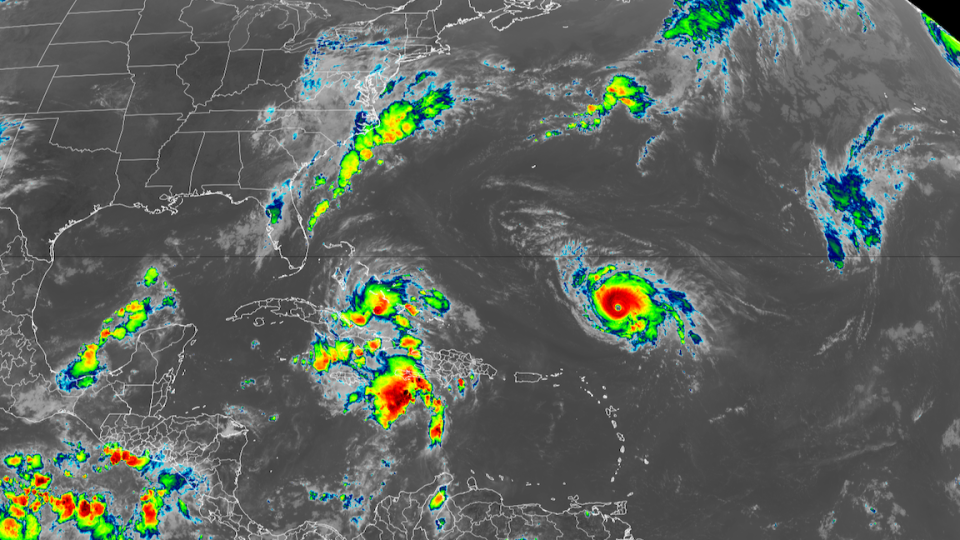
A Tropical Depression, designated as Nine, emerged on Saturday morning in the area between Cuba and the Bahamas, with top sustained winds reaching 35 mph, as reported by the National Hurricane Center. The system has the potential to develop into Tropical Storm Imelda by early Sunday, and could escalate to a Category 1 hurricane by late Monday or Tuesday.
Tropical storm alerts are active in the Bahamas this weekend, while tropical storm watches have been issued for Florida’s eastern coast, stretching from the Palm Beach and Martin County border north to the Flagler and Volusia County boundary. Strong winds associated with a tropical storm could occur in these areas on Monday, although the storm is anticipated to stay away from the coast as it travels north.
Forecast models indicate the storm’s path will pass through the Bahamas this weekend, after which it is expected to move toward the Southeast coast by early next week. The hurricane center still anticipates that the storm will slow as it nears the South Carolina coastline, shifting eastward before it can reach land.
However, even if the future Imelda does not reach the shore, substantial effects from heavy rainfall and coastal flooding are still expected.
What to be aware of if you reside along the Southeast coast
The initial impacts of the storm may arrive in the Southeast as early as Monday, with the greatest danger period focused on the Carolinas and coastal Georgia.
Intense rainfall poses the primary risk for future Imelda, as powerful, slow-moving storm systems may remain close to the coast or move as far south as the Mid-Atlantic region, rapidly saturating the ground and causing rivers and streams to overflow. Without making direct landfall, onshore winds might push storm surge water into vulnerable coastal zones, leading to flooding.
The National Weather Service, during the afternoon on Saturday, predicted as much as 10 inches of rainfall in the coastal areas of North and South Carolina, although these figures could change as the forecast updates.
If the storm’s center makes landfall, strong winds are expected to be primarily near and just north of the center, possibly leading to isolated power disruptions.
South Carolina Governor Henry McMaster released astate of emergencyOn Friday, in preparation for the storm, statewide response plans were activated, and agencies were mobilized to get ready for strong winds, heavy rainfall, and storm surges throughout the state.
The city of Charleston announced a local state of emergency on Saturday before the storm arrived, and started handing out sandbags and removing debris from storm drains, as stated.
Although there are no required evacuation orders, McMaster cautioned during a press conference on Saturday that residents should still get ready.
“We are aware that strong winds are coming, we expect a significant amount of water, and we know that flooding will occur in some areas of the state, possibly places we haven’t seen before,” he stated.
Director of the Emergency Management Department, Kim Stenson, stated that officials are expecting a “full state of South Carolina event,” with rain and wind affecting more than just the coastal regions.
North Carolina Governor Josh Stein also declared a state of emergency on Saturday. Officials are “preparing swift water rescue teams, search and rescue task forces, law enforcement, National Guard, and additional resources,” Stein mentioned in a statement.
The Federal Emergency Management Agency is “prepared and available to assist states along the Southeast coast, as required,” and is “actively involved” with multiple states, according to a statement.
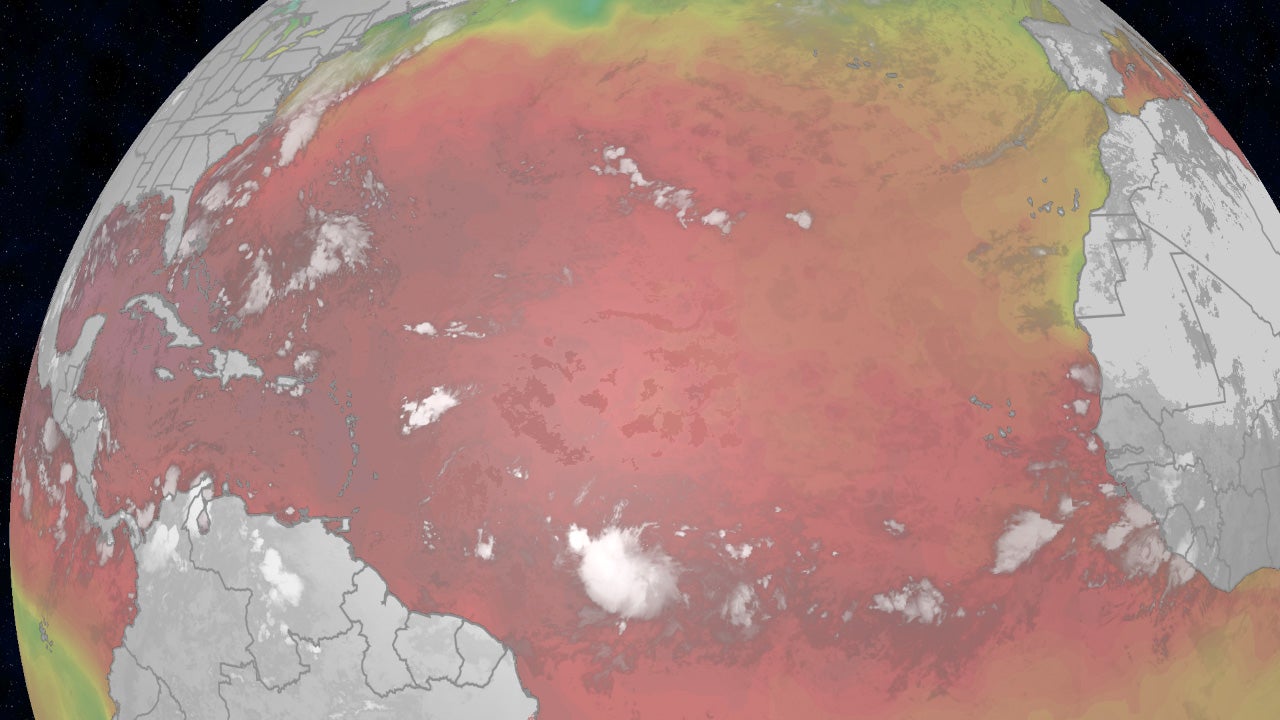
Meanwhile, in the open Atlantic, Hurricane Humbertorapidly intensifiedbecame a Category 5 storm on Friday and Saturday as it moved over warm waters and encountered a more favorable environment in the central Atlantic.
Humberto is anticipated to remain a formidable Category 5 storm throughout the weekend. Although it does not pose an immediate danger to the United States, it could result in certain effects on Bermuda later in the week as it moves west of the island group.
The dimensions and role of Humberto may affect how Imelda evolves, its speed, and its path.
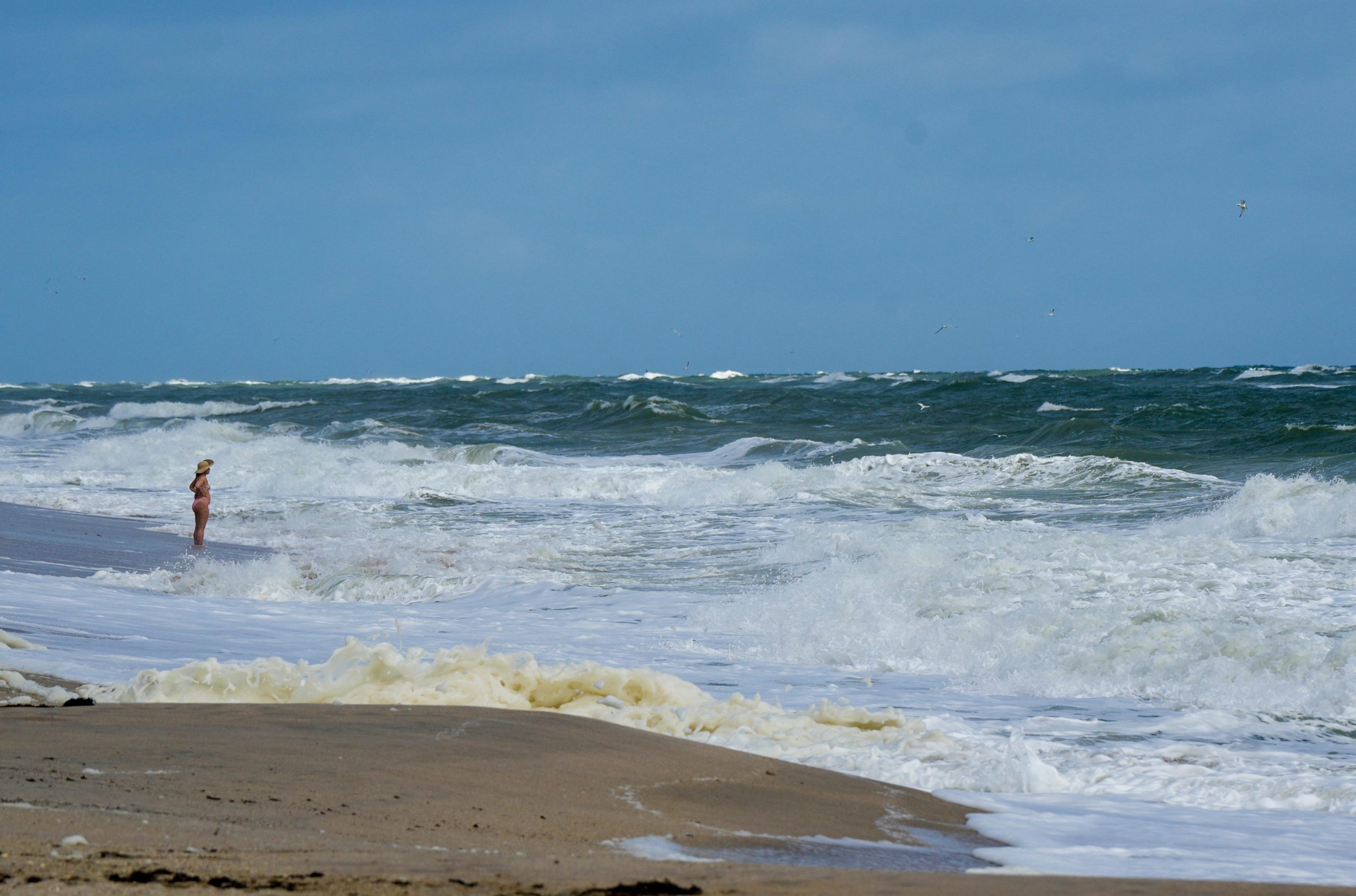
Major waves from this system along with Hurricane Humberto, which is still near the coast, will increase the risk, leading to dangerous rip currents along the entire Eastern Seaboard next week.
How the prediction might change How the outlook could alter How the projection may vary How the forecast might evolve How the expectation could differ How the weather forecast could change How the forecasted outcome might adjust How the anticipated scenario could shift How the forecast is likely to change How the predicted trend could move
An “above average” level of uncertainty exists around this forecast, the National Hurricane Center mentioned in its online forecast discussion. Weather models now have a clear center of rotation to examine, which increases the possibility of accurately predicting the storm’s path, but other weather systems will also significantly influence Imelda’s future movement.
The way this storm ultimately develops will be influenced not just by its own power and speed, but also by the location of Hurricane Humberto spinning off the coast, as well as a weather pattern over the continental United States. Humberto’s movement might pull the forming storm away from land, or, if the timing changes, it could leave it in place and cause it to move nearer to the coastline.
Three primary options are under consideration, listed from the most probable to the least likely:
- The storm might head out to sea before making landfall, avoiding the worst effects on the US. Nevertheless, significant rainfall, powerful winds, and coastal flooding from a storm surge could still take place in this situation.
- Future Imelda might also remain just offshore, staying near enough to produce several days of intense rainfall and direct water towards the land.
- The most alarming possibility is a landfall along the coast of North Carolina or Georgia. This could trigger an extended period of flooding, affecting inland regions that were severely impacted by Helene just a year ago.
If the worst-case situation occurs, certain areas in the Carolinas might receive more than two feet of rainfall. This could lead to extensive, life-threatening flooding, with rivers and streams overflowing and taking several days to return to normal levels. The mix of tropical moisture and a stationary weather system is precisely what causes some of the most severe flood disasters in the Southeast.
Nevertheless, 4 to 8 inches of rain from a slow-moving Imelda staying near the coast might lead to significant issues in regions that are already wet from the weekend’s storm systems.
Residents from the Bahamas to the US East Coast should closely monitor the weather forecast this weekend, as Imelda is expected to bring heavy rain, strong winds, and potential storm surges. This local storm will offer a very limited time frame for preparation.
The Muara Digital team’s Elise Hammond played a role in this report.
For additional updates from the Muara Digital Team, sign up for news and newsletters atMuara Digital Team