A Personal Journey with GLP-1 Medication
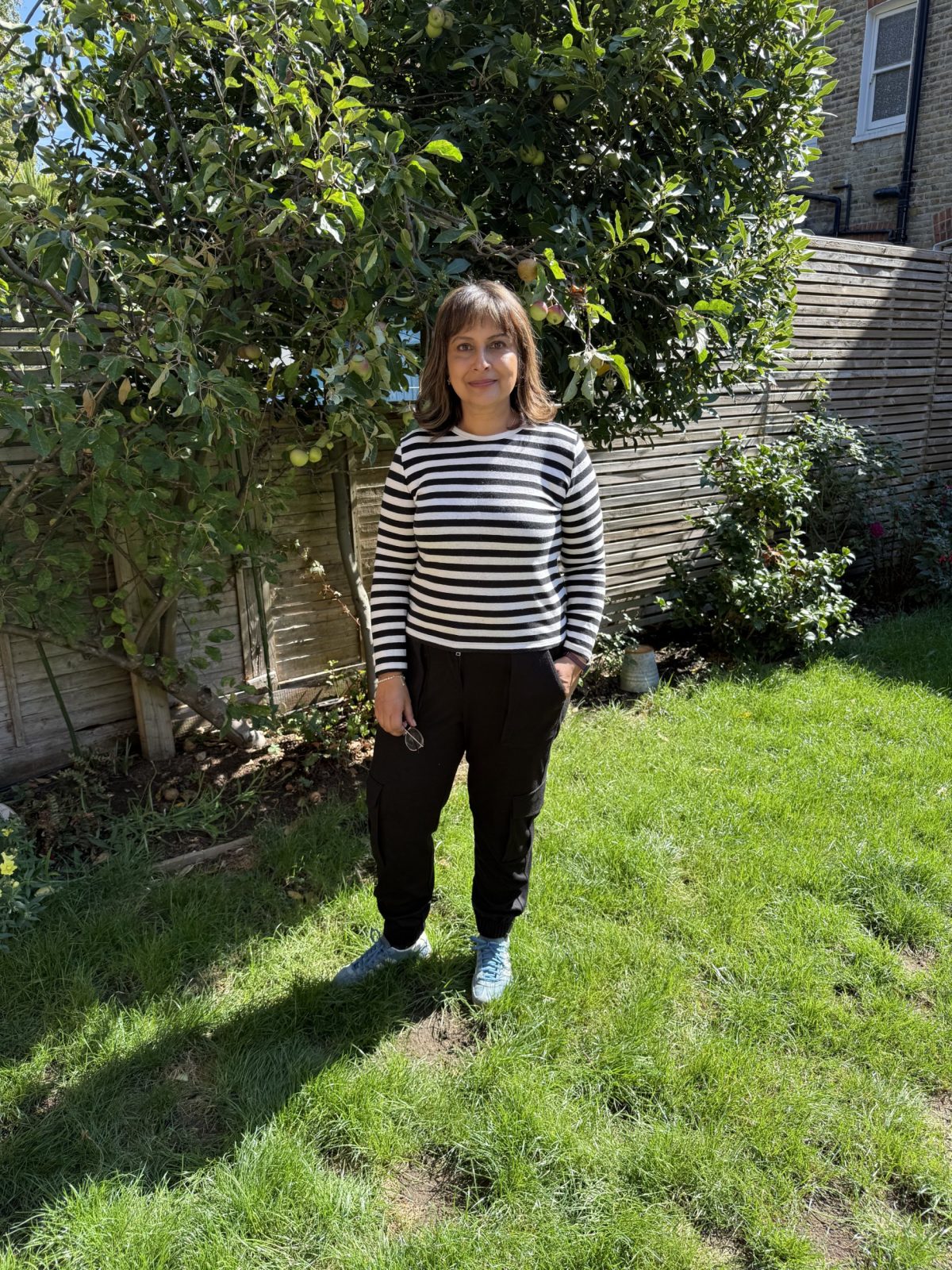
When I began taking GLP-1 medication nearly three months ago, it was out of a deep sense of frustration. My weight had gradually increased since going through menopause in 2021. By the time I had my over-fifties NHS health check at age 55, I was shocked to discover that I had gained more than two stone and was now classified as obese with a BMI over 30. With a family history of type 2 diabetes, I had been trying to lose weight in a healthy way by increasing protein intake, staying active, and maintaining a calorie deficit. However, no matter how hard I tried, the weight would not budge.
I initially kept my decision to take the drugs private, only sharing it with my husband and a few close friends. Part of this was due to uncertainty about whether the medication would work, but also because I don’t particularly enjoy discussing my weight. Additionally, there is a strong stigma surrounding weight-loss drugs. We are constantly bombarded with messages from health and wellness influencers about the “correct” way to lose weight, and using GLP-1s didn’t fit into that narrative.
The Hidden Struggle of GLP-1 Users
It seems many others feel similarly reluctant to share their use of these medications. A Mumsnet survey of 1,000 people in July and August found that 75% of GLP-1 users had not told their parents, 80% had not told their colleagues, and 41% had not told close friends. Over half of those surveyed said they kept their use of GLP-1s a secret due to fear of judgment or disapproval.
This stigma was evident when tennis star Serena Williams revealed her 31lb weight loss was due to GLP-1s. Her campaign with healthcare company Ro aimed to counter the “shortcut” myth, but instead, she faced accusations of betrayal. Williams used GLP-1s because she couldn’t shift the weight gain from two pregnancies, and diabetes runs in her family. In many ways, she’s no different from other women after childbirth or post-menopause. We turn to GLP-1s out of frustration.
Dr. Catherine Smith at the Women’s Clinic prescribes GLP-1s as a treatment option for menopausal women. She explains that weight gain during midlife is due to the “metabolic syndrome of menopause,” where cholesterol profiles change and insulin resistance increases. “That can be hard to improve with just diet and exercise,” she says. “So, we start with the basics of increasing exercise, improving diet, and considering HRT. And then, for some women who have tried everything, we’ve noticed that GLP-1s can really help.”
She also notes that some of her patients choose not to tell anyone. “They are embarrassed that they are having to resort to injectables. I think we stigmatise obese people and assume they are not trying hard enough.”
Real Stories: Why People Keep It Secret
Despite the side effects and rising costs, GLP-1 injections continue to grow in popularity. It’s important to balance any associated risks against the illnesses linked to obesity, which costs the NHS nearly £11.4bn annually.
Since starting Mounjaro in June, I have lost just over a stone. Despite the price increases, I plan to stay on a lower dose for a few more months to lose at least another stone. I’m now open about my use, but not everyone wants to be.
I spoke to four “secret users” to find out why they decided not to tell anyone:
-
Jenny, 46, has two children and lives in London. She has lost five stone using Mounjaro since last summer. She has only told her husband that she is on weight loss medication. “When I started taking Mounjaro, I wasn’t sure if it was going to work, and if everybody knew I was on it, it would just be another diet that I had failed at, which was pressure I didn’t need. There are so many judgemental comments that you read, about how it’s the easy way out and it’s too risky.”
-
Kerry, 54, is married and works in customer services near Bristol. Over the last year and a half, she has recently lost nearly five stone. “Food for me is an addiction. In any situation, whether good or bad, I was always thinking: can I use this as an excuse to eat more? I had a gastric band fitted when I was 24 stone and got down to about 14 stone. I was running half marathons and 10k regularly. I had hypnotherapy and went to a fat camp. I really tried everything. And then I got back up to 16 stone with the gastric band still in place, and I was just in tears.”
-
Leyla, 45, a primary school teacher from South Tyneside, has two children. She is in medically induced menopause and can’t take HRT. Since starting Mounjaro in June, she has lost two stone. “I was diagnosed with hormone-receptor-positive breast cancer in 2014 and started taking Tamoxifen, which gave me all of the symptoms of the menopause including weight gain. Then I had a hysterectomy in 2024, which put me into medical menopause.”