The Challenges Facing Today’s College Freshmen
Being a college freshman has never been smooth sailing. From dealing with quirky roommates and demanding professors to navigating unseasoned dining hall food, the transition to young adulthood is often overwhelming. However, the current generation of students entering college faces an especially uncertain landscape.
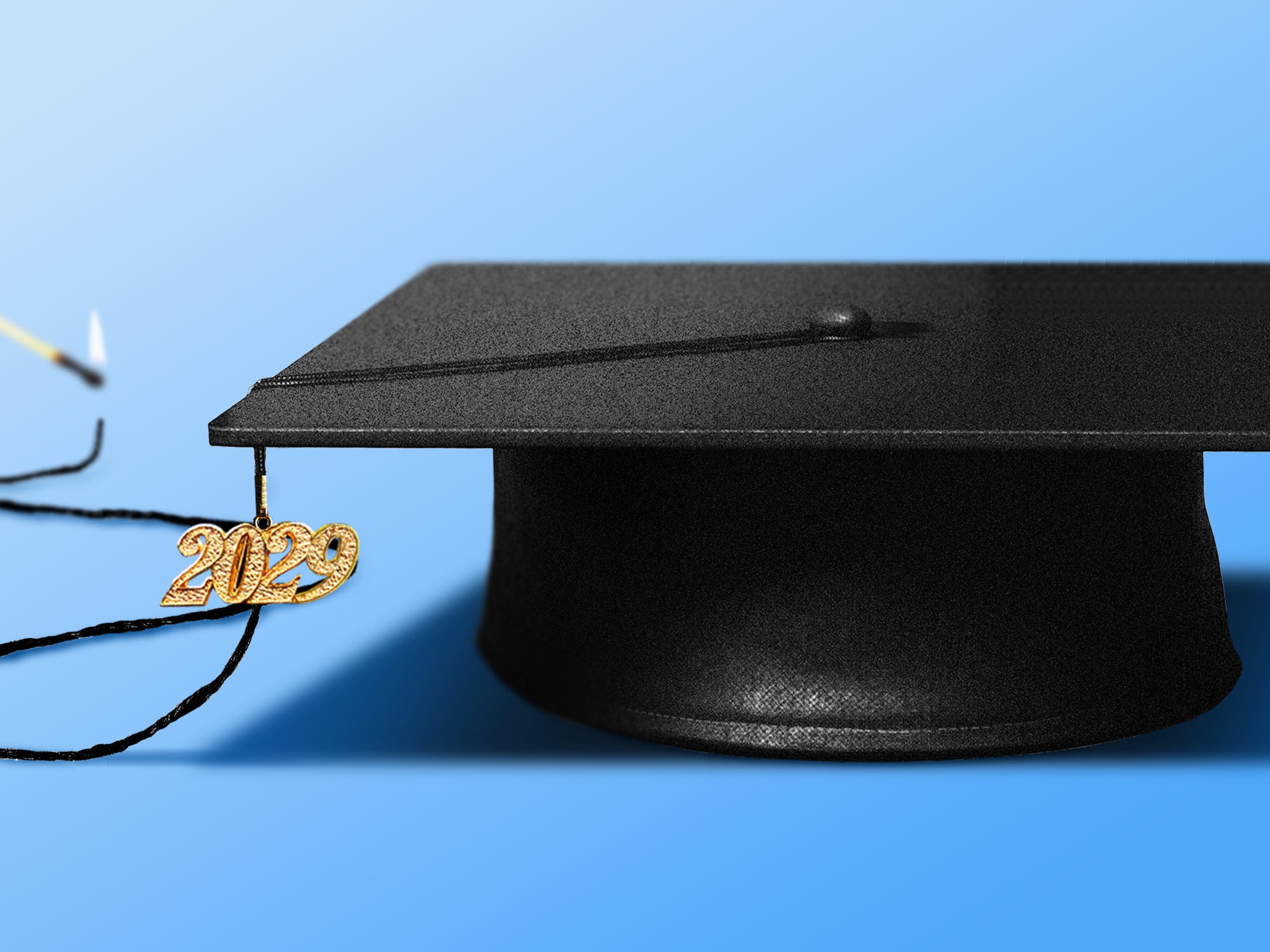
The class of 2029 is on edge. These 18-year-olds have spent much of their formative years during the pandemic, growing up more online and socially isolated than previous generations. According to the Healthy Minds Study, over 30% of students report feeling depressed or anxious. Campuses are also embroiled in cultural conflicts, with policies that restrict student protests and free speech. International students face additional hurdles in securing visas, which could lead to a significant drop in their numbers this fall. Meanwhile, tuition and fees at some colleges have surpassed $100,000 per year, and the average Gen Zer carries $23,000 in student debt.
The job market is also changing rapidly, with companies increasingly adopting generative AI. This raises questions about what students should be doing with AI themselves. While some fear being left behind if they don’t master tools like ChatGPT, others worry about the risk of academic dishonesty if they rely too heavily on such technology.
No wonder many young Americans are becoming skeptical about whether college is worth the time and money. Amid this uncertainty, colleges themselves are grappling with their own identity crises. The U.S. higher education system is far from perfect, with inefficiencies and bloated costs. Schools must balance providing students with practical skills for the workforce while also fostering critical thinking, resilience, and collaboration—skills that are essential for long-term career success, especially as AI takes over entry-level tasks.
Reimagining Higher Education
“We have to revolutionize and reimagine higher education in ways that connect curriculum to career,” says Lynn Pasquerella, president of the Association of American Colleges and Universities. This means making students more adaptable and flexible to rapid change. Colleges must also incorporate internships and community-based programs to give students real-world experience and perspective. At the same time, students are seeking more than just employment—they want lives of meaning and purpose.
The traditional college campus is evolving, and it’s unclear what its future will look like. Young people are bombarded with messages suggesting that a college degree is losing its value and that lucrative alternatives exist. Companies like Palantir are offering fellowships to high schoolers who want to “skip the indoctrination” of college, while Silicon Valley continues to celebrate young founders who leave college behind. Gen Z values autonomy and wealth, and many TikTok and Instagram influencers showcase how to achieve both without a degree—whether as Airbnb hosts, video game streamers, or sales course gurus.
Despite these challenges, a degree remains the most reliable path to building long-term wealth. While the benefits may feel elusive to some recent graduates, data shows that college graduates earn significantly more over their careers than those without degrees. For example, Gen Z graduates in 2024 had a median salary of $60,000, compared to $40,000 for high school graduates. Over time, bachelor’s degree holders earn millions more than their peers with only a high school diploma.
Adapting to the AI Revolution
AI has not yet rendered college obsolete, but it is forcing institutions to adapt quickly. Safinah Ali, a professor at New York University, sees meaningful uses for AI across disciplines, including the humanities and arts. Younger students tend to embrace new technologies more readily, and even tech leaders like Sam Altman believe younger workers will adjust better to the changes brought by AI.
However, there are concerns about over-reliance on AI. Recent research from MIT suggests that students who depend on tools like ChatGPT may become lazy and less capable of independent thinking. This has led some educators to rethink how students are assessed. Instead of focusing solely on detecting cheating, institutions are exploring new ways to evaluate learning that emphasize critical thinking and creativity.
Jenny Maxwell, head of education at Grammarly, believes that assessments need to evolve beyond traditional essays. The company has developed AI agents that can help students improve their writing and provide predictive grades. This shift could encourage deeper thinking and reduce the pressure to simply regurgitate information.
Navigating the Future
Colleges and professors are still figuring out the best ways to integrate AI into the classroom. Some are opting for in-class assignments to prevent cheating, while others are embracing AI as a tool for learning. At Columbia University, Professor Dennis Yi Tenen is teaching a course called Writing AI, where students explore how AI reshapes the writing process and its limitations. The course has attracted a large number of eager students who see potential in mastering AI.
Despite the challenges, college remains a valuable space for personal growth. It offers students the chance to develop resilience, collaborate with others, and explore new ideas. While the financial burden of a degree can be daunting, the intangible benefits of a college education—such as problem-solving skills and exposure to diverse perspectives—are difficult for AI to replicate.
The appeal of college isn’t dead; it’s just in a transitional phase. As institutions continue to adapt to the changing world, they must find ways to make the value proposition of a degree more appealing to students who are navigating an uncertain future.