
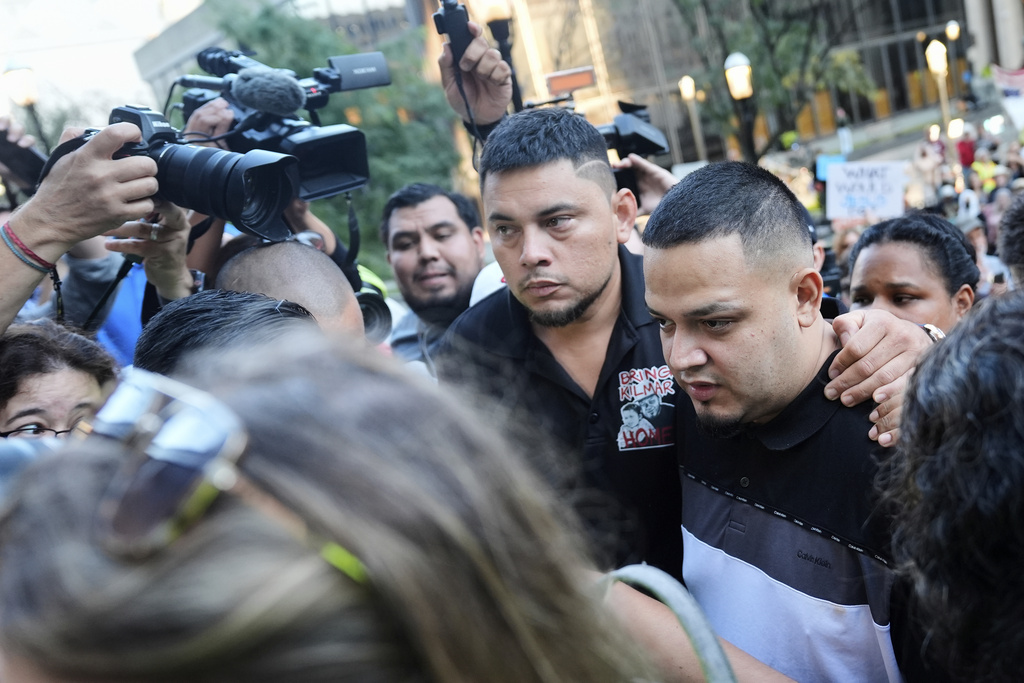
The Legal Battle Over Kilmar Abrego Garcia’s Deportation
Kilmar Abrego Garcia, a 30-year-old construction worker from El Salvador, has become a symbol of the U.S. immigration enforcement policies under the Trump administration. Currently detained in a Virginia facility, he is facing deportation to Uganda, a country he has never visited and fears could pose serious risks to his safety.
Abrego Garcia was arrested in Baltimore by U.S. Customs and Immigration Enforcement (ICE) after being released from a Tennessee jail. Authorities have accused him of being involved with MS-13, a gang they claim is dangerous. However, he denies these allegations and has been fighting the deportation through legal channels.
His legal team argues that he has the right to express fear of persecution or torture if sent back to Uganda. Additionally, Abrego Garcia has expressed a preference for being deported to Costa Rica instead, a request that has sparked significant debate.
Why Is the Government Wanting to Deport Him?
Abrego Garcia entered the U.S. without documentation when he was 16. He settled in Maryland, where he built a life working in construction, married, and started a family. In 2019, an immigration judge ruled that he was eligible for deportation but not to his native El Salvador, citing credible threats of violence from local gangs.
However, the Trump administration deported him to El Salvador in March, violating the 2019 order. His American wife successfully sued to have him returned in June. Upon his return, he was charged with human trafficking in Tennessee, a charge his lawyers have called “preposterous and vindictive.”
The administration now seeks to deport him again, claiming he poses a danger to the community. This has led to ongoing legal battles and discussions about his criminal case.
Uganda as a Destination: A Controversial Choice
After being brought back to the U.S., ICE officials vowed to deport Abrego Garcia to an unnamed third country. Shortly after his release from criminal custody in Tennessee, he was informed that he would be sent to Uganda.
Abrego Garcia has since notified U.S. authorities that he fears deportation to Uganda, where he believes he could face torture. He also worries that Uganda might send him back to El Salvador, where he claims he was previously tortured.
In a separate statement, he expressed a preference for being deported to Costa Rica. These concerns were included in a lawsuit filed on Monday, which argues that the U.S. is punishing Abrego Garcia for challenging his deportation to El Salvador, refusing to plead guilty to smuggling charges, and seeking release from jail in Tennessee.
Uganda’s government has faced criticism over its agreement with the U.S. to accept deported migrants. Opposition figures have questioned the lack of parliamentary approval and suggested the deal eases political pressure on the country’s authoritarian president.
Costa Rica and Plea Negotiations
The idea of sending Abrego Garcia to Costa Rica emerged from weeks of negotiations between prosecutors and defense attorneys in his human trafficking case. He is accused of transporting undocumented individuals and has pleaded not guilty, arguing the charges are meant to punish him for challenging his deportation.
The case stems from a 2022 traffic stop in Tennessee, where nine passengers were found in his SUV along with $1,400 in cash. Although officers suspected smuggling, he was only given a warning. The investigation began later in April, amid pressure to return him to the U.S.
Prosecutors and defense attorneys engaged in confidential plea negotiations starting in mid-July. Abrego Garcia sought a deal that would allow him to be deported to a Spanish-speaking country like Mexico. With help from the State Department, the U.S. Attorney’s Office secured a commitment from Costa Rica to accept him as a legal immigrant.
However, just minutes after his release from jail, ICE announced plans to deport him to Uganda, sparking further controversy.
Reasonable Fear Interview and Legal Rights
Abrego Garcia’s legal team has requested that the court ensure his constitutional rights, including the right to a reasonable fear interview. This process allows him to express fears of persecution or torture in Uganda.
If officials determine he lacks reasonable fear, he should be allowed to seek review from a U.S. immigration judge. If that decision is upheld, he should have the option to appeal to the U.S. Court of Appeals.
The lawsuit argues that the Trump administration could simply send him to Costa Rica, which has already agreed to accept him. Instead, they chose Uganda “to punish him.”