A New Era of Recruiting Success
Just two years after falling short of its active-duty recruiting goals, the U.S. Navy is celebrating a significant milestone: the largest group of new accessions in nearly a quarter-century. This achievement marks a turning point for the service, which has made substantial strides in improving its recruitment strategies and outcomes.
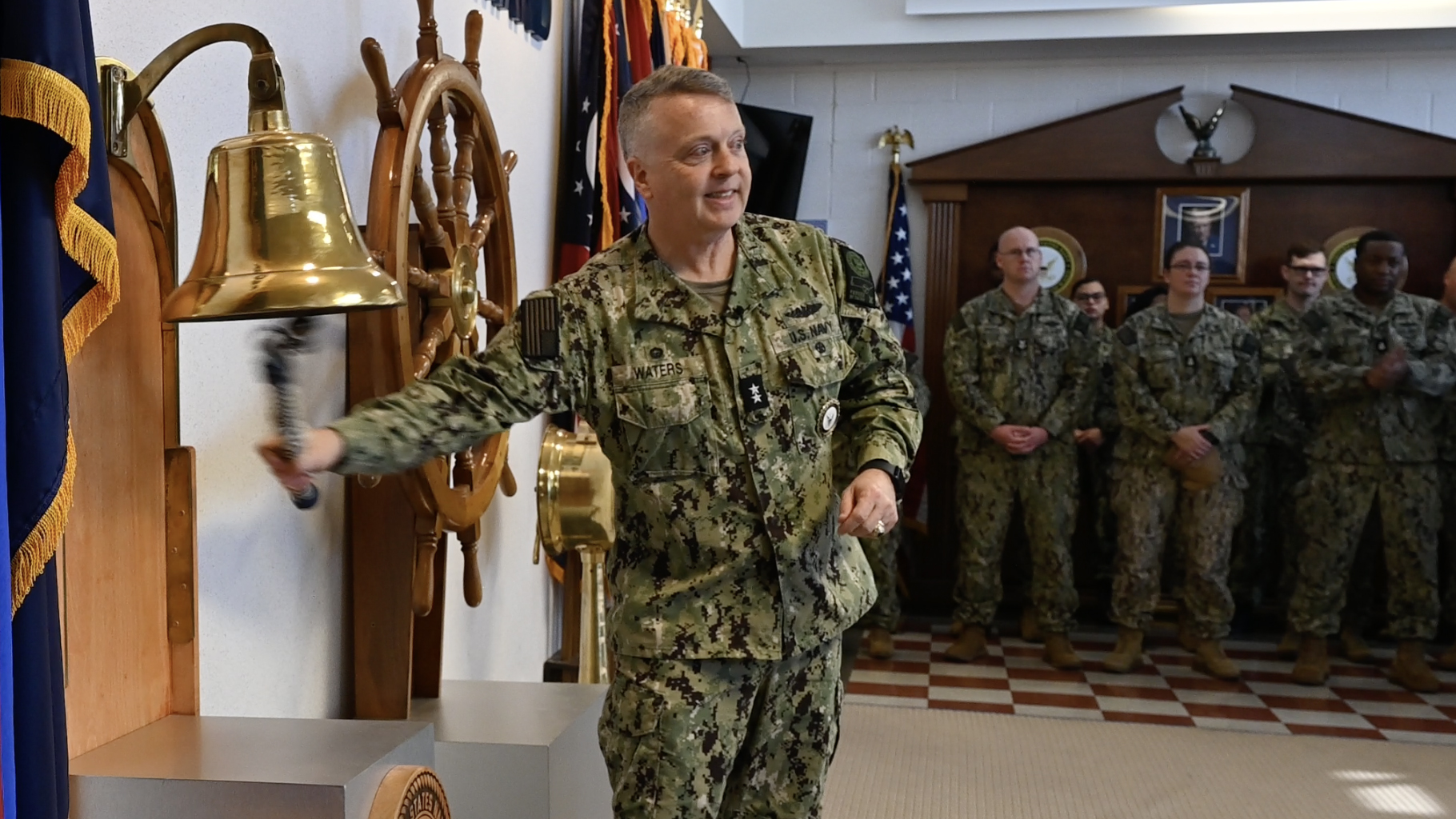
In a roundtable discussion with reporters, Rear Adm. James Waters, head of Navy recruiting command, highlighted that the service achieved surpluses in every recruiting category, including officers, enlisted personnel, and Reserve members. The Delayed Entry Program alone provided enough recruits to cover about one-fourth of the recruiting mission for fiscal 2026.
Waters emphasized that these numbers represent the best performance since the early 2000s. He credited efforts to boost recruiter morale and streamline administrative processes as key factors in this success. One specific example was the simplification of the tattoo approval process for recruits, which helped reduce delays and improve efficiency.
Record Numbers and Strategic Adjustments
The Navy officially announced that it brought in 44,096 future sailors in fiscal 2025, surpassing its target of 40,600 by nearly 3,500. This is the highest number since 2002, showing a clear upward trend in recruitment. “We maintained high standards and met all Department of Defense quality metrics,” Waters stated. “And we’ve built a strong pipeline. We built momentum.”
However, last year’s success came under scrutiny due to the use of waivers to bring in lower-scoring applicants. Approximately 17% of new accessions had scores of 30% or below on the Armed Forces Qualification Test. Additionally, the Department of Defense Inspector General found issues with the documentation of medical waiver approvals, leading to an additional 5,845 accessions.
This year, the Navy has shifted its focus to higher-quality recruits. Waters noted that the service is now only enlisting individuals with AFQT scores of 26 and above, keeping this group below the non-waivered limit of 4% of the total enlistment pool. While Category 4s (those scoring 26-30%) are still being accepted, they are part of the Navy’s long-term vision rather than a necessity for numbers.
Supporting Recruits and Streamlining Processes
To support these recruits, the Navy offers a three-week Future Sailor Preparatory Course. Last year, 66% of low-scoring enlistees improved their scores to 31% or higher. Waters explained that many of these recruits come from disadvantaged backgrounds and face unique challenges. “It’s important to me and it’s important to the recruiters, more importantly, that we continue to provide this opportunity for young people,” he said.
Waters attributed this year’s success to increased recruiter staffing and the removal of obstacles that previously hindered effectiveness. By listening to feedback from line recruiters, the Navy has implemented changes that have significantly improved performance. “We’ve listened to those line recruiters and done the things that they indicated were the most important to them, and that has changed the game,” he said.
Addressing Administrative Challenges
One major change involved reducing red tape around approving tattoos. With today’s recruits being more inked than in previous years, the Navy streamlined the process. While it once took an average of 30 days to approve tattoos, the current average is just 2.7 days. Other improvements included increasing recruiter input in local advertising and simplifying paperwork for new recruits.
Waters emphasized that changes are made with the recruiter’s perspective in mind. “When we make changes, we are thinking about it from the perspective of the recruiter receiving it in that recruiting station of two or three recruiters, you know, out in the middle of America, and thinking, ‘How are they going to take that? How are they going to use that?’” he said.
Looking Ahead: Focus on Medical Talent
While the Navy did not address the impact of the political climate or recent vaccine-related policies, it acknowledged the role of economic factors and successful marketing campaigns. Waters noted that ads focusing on Naval special operations resonated well with Gen Z, generating a high number of leads.
Looking ahead, the Navy aims to refine its approach to recruiting skilled medical professionals, including doctors, dentists, and psychologists. To achieve this, the service has partnered with a commercial medical recruiting organization. One initiative involves centralizing a Navy medical talent acquisition group, which has already proven effective in meeting recruitment goals.
“We’re going to grow that centralized group, because of how successful it was, to drive further into the medical recruiting market, which you can imagine, is just extremely competitive,” Waters said.